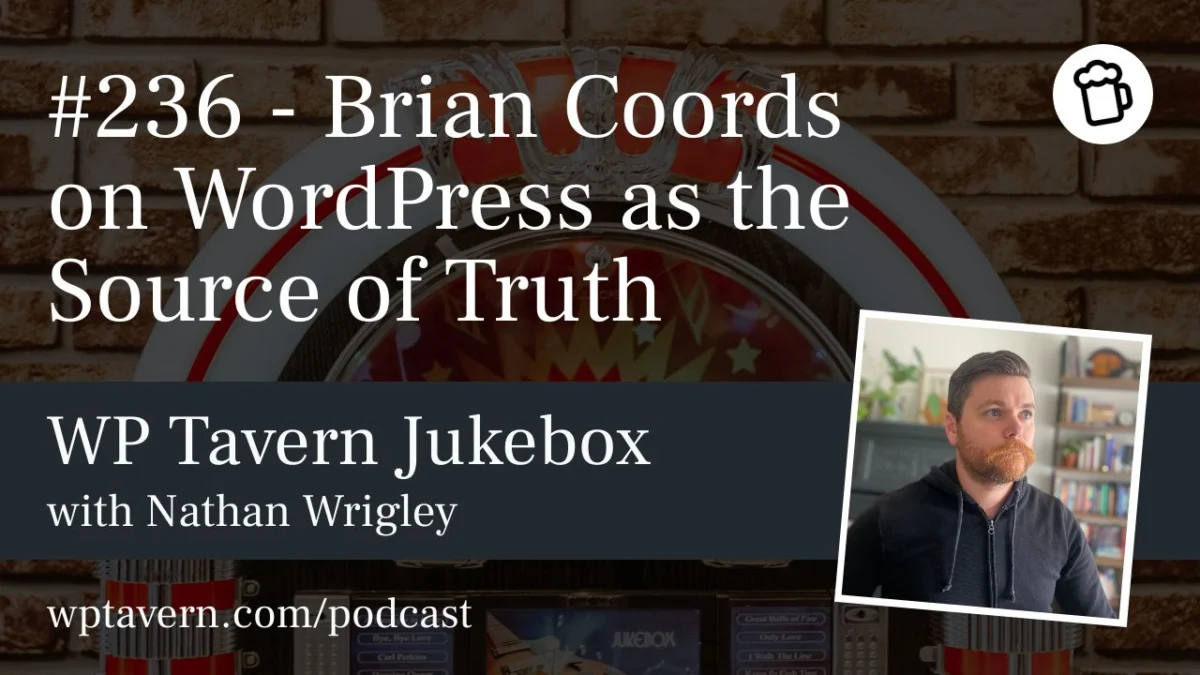
As the web development landscape undergoes rapid transformation driven by generative artificial intelligence and shifting agency paradigms, the question of long-term sustainability has become paramount for professionals working within the WordPress ecosystem. While newer static site builders and automated coding tools tempt developers to abandon traditional content management systems, industry experts argue that established frameworks like WordPress retain a unique, indispensable value. This tension between cutting-edge automation and battle-tested architecture formed the core of a recent discussion on the WP Tavern Jukebox Podcast, featuring Nathan Wrigley and WooCommerce Developer Advocate Brian Coords.
Reflecting on his recent presentation at WordCamp US, titled "The Site is the Source of Truth: Block Themes, AI, and Agency Workflows," Coords explored how agencies can integrate modern AI tools without sacrificing brand consistency or structural integrity. Drawing on a decade of freelance and agency experience prior to joining WooCommerce, Coords examined why treating a WordPress installation as a centralized repository of design tokens, approved patterns, and content guidelines is vital for modern web development.
Bridging Education and Developer Advocacy
Coords’ journey into the technology sector followed an unconventional path, having initially spent his early career working as a high school teacher. That foundational background in education heavily influences his current role as a developer advocate at WooCommerce, where his primary responsibilities involve writing release posts, managing documentation, and contributing to the official blog. Rather than writing core code daily, Coords acts as a crucial communication bridge between the end-user community and the internal product development teams.
This professional pivot mirrors his philosophy on teaching, requiring a deep understanding of audience needs, pedagogical structure, and the translation of complex technical concepts into accessible formats. During the podcast, Coords noted that participating in community events like WordCamp provides a familiar interactive dynamic, reminiscent of a classroom environment where direct feedback—ranging from enthusiastic engagement to good-natured heckling—helps shape better documentation and communication strategies.
The Website as the Ultimate Source of Truth
A major focal point of the conversation centered around the chaotic nature of generative artificial intelligence when left entirely unchecked during a website build. Without proper structural constraints, AI tools tend to generate inconsistent designs, varied copywriting tones, and disparate layouts from page to page, creating significant overhead for developers who must constantly shepherd the output.
To combat this unpredictability, Coords advocates for positioning the WordPress site itself as the definitive source of truth. By centralizing approved patterns, pre-designed templates, typography rules, and design tokens directly within the WordPress environment, agencies can provide AI tools with strict, reliable parameters. Instead of allowing an AI model to build every landing page from scratch, developers can instruct the system to pull from human-crafted pattern libraries that strictly adhere to established brand guidelines.
This organizational approach extends beyond visual design to encompass content management. Discussing emerging features like content guidelines within WordPress, Coords highlighted how centralized repositories can help teams—particularly large-scale news publications with numerous authors—maintain consistent messaging and style standards. Whether these guidelines live directly inside the WordPress dashboard or within a team’s GitHub repository, the underlying principle remains the same: consolidating resources prevents fragmentation and ensures long-term scalability.
The Evolution and Adoption of Block Themes
Despite initial industry expectations, the broader adoption of block themes across the WordPress ecosystem has progressed at a more deliberate pace than anticipated. While agencies increasingly recognize the long-term benefits of the block editor, existing website owners often face significant friction when contemplating a transition from classic themes due to compatibility concerns and the inherent risks associated with overhauling established e-commerce operations.
However, the advantages of block-based building are becoming increasingly apparent, particularly regarding plugin sprawl. Coords pointed to ongoing development efforts surrounding upcoming block-based solutions within WooCommerce, noting that modern block themes significantly reduce the reliance on dozens of separate extensions. Where older setups required individual plugins for headers, mini-carts, and product displays, the core block editor now natively accommodates the vast majority of these features. This reduction in third-party dependencies fosters greater site resilience, simplifies maintenance, and minimizes update-related compatibility issues.
The discussion also touched upon the delicate tightrope walk platform maintainers face when deciding whether to incorporate popular community features directly into core software. As AI tools lower the barrier to entry for creating simple, single-purpose plugins, developers of utility extensions face increasing market pressure. While core teams must carefully balance the desire to streamline the user experience by reducing plugin fatigue, they must also maintain healthy relationships with the extension developers who form the backbone of the broader ecosystem.
Navigating the Future of E-commerce and AI
Looking ahead, Coords and Wrigley evaluated the broader market implications of generative AI on different segments of the web. While brochure and marketing sites face intense competition from automated static site generators and rapid prototyping tools, e-commerce platforms maintain a significantly stronger defensive moat. The operational complexity of managing inventory, secure transactions, payment gateways, and historical customer data demands a robust database and a reliable, battle-tested management interface.
Furthermore, the conversation highlighted a subtle yet profound human preference for centralized, familiar administrative environments. Even in an era where automated agents can theoretically generate dashboard elements on demand, business owners and content creators often value the tangible reassurance of logging into a dedicated dashboard to monitor daily revenue, review analytics, and manage products.
As the technology sector continues to navigate the pendulum swing between automated generation and human craftsmanship, the WordPress ecosystem continues to adapt. By focusing on robust architecture, sustainable workflows, and the strategic integration of AI, platforms like WooCommerce aim to provide a stable, reliable foundation for the future of digital publishing and commerce.