By Jill Fanslau | June 10, 2026
For digital creators, entrepreneurs, and independent business owners, building an email list has long been considered one of the most powerful digital assets available. Industry professionals often describe an email subscriber list as a virtual room filled with engaged listeners who have chosen to tune in. If the content resonates, those individuals stick around, ask questions, purchase products or services, and occasionally transform into enthusiastic advocates who bring others into the fold.
Traditionally, filling that room required a foundational digital asset: a website equipped with a custom signup form where visitors could submit their email addresses to subscribe to ongoing content. However, for many emerging creators, side-hustlers, and offline entrepreneurs, developing and maintaining a full website presents an unnecessary technical barrier, financial investment, and time commitment.
Addressing this barrier in the digital marketing landscape, email marketing platform AWeber has rolled out a new solution designed to allow creators to gather subscribers without ever building a website. The feature relies on what the company calls a hosted signup form, streamlined through an artificial intelligence-driven builder intended to simplify audience acquisition.
What is a Hosted Signup Form?
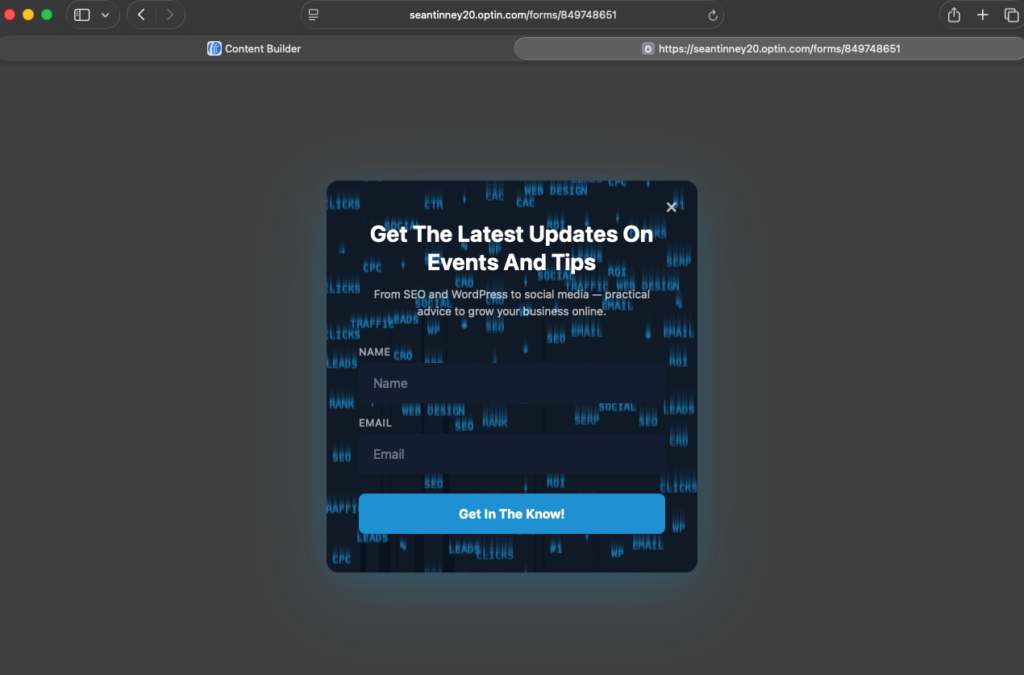
A hosted signup form operates independently from a traditional website infrastructure. Rather than being embedded within a blog post, sidebar, or homepage, a hosted form lives on its own dedicated webpage with a unique URL. This standalone link can be shared across virtually any digital or physical medium, including social media platforms like Facebook and Instagram, direct text messages, or even printed materials such as business cards and event flyers. The sole objective of this standalone page is to collect email addresses and seamlessly route new subscribers into an email list.
Even for creators who already maintain a fully functioning website, industry analysts note that a hosted signup form offers strategic utility. It acts as an operational backup in the event of unexpected website downtime. Furthermore, when marketers wish to direct traffic to a dedicated opt-in page completely stripped of navigation menus, sidebar widgets, and other digital distractions, a direct link to a hosted form provides a streamlined user experience.
Streamlining Creation With Artificial Intelligence
The primary technological hurdle of establishing standalone opt-in pages has historically involved design choices, layout configuration, and basic coding or platform integration. AWeber aims to bypass these hurdles by integrating an AI Signup Form Builder directly into its platform ecosystem.

Rather than requiring users to manually configure design elements, color palettes, and copywriting from scratch, the AI generator constructs a complete, hosted signup form from a single text prompt. Creators simply describe the nature of their business, the focus of their content, or their overarching brand identity. The underlying artificial intelligence then synthesizes this description to automatically generate a tailored form complete with an engaging headline, descriptive text, and a visual aesthetic aligned with the user’s stated brand profile.
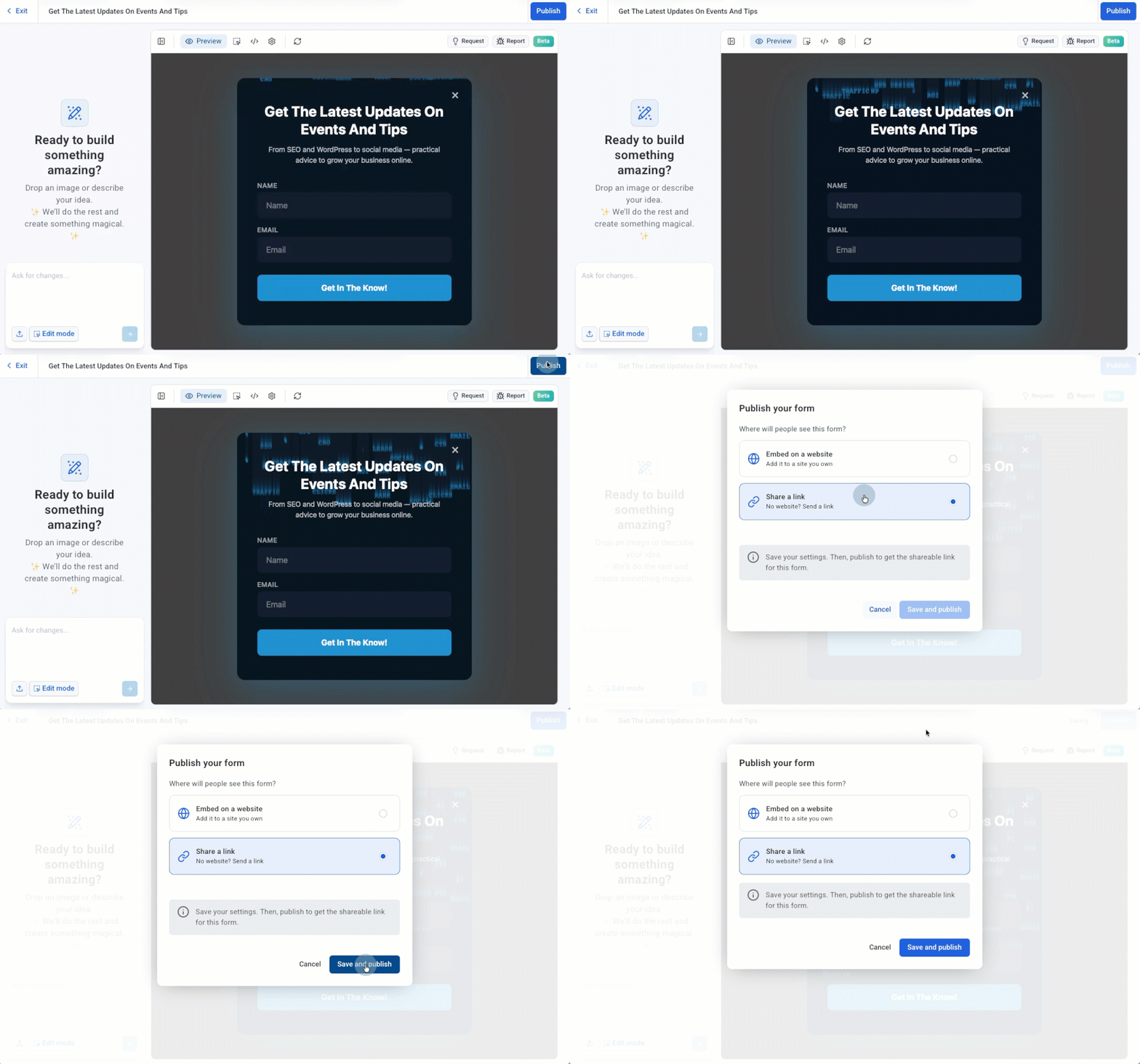
The automated workflow is designed to minimize friction. Users navigate to the pages and forms section within their AWeber dashboard, provide a natural language description of their venture, and review the generated output. Adjustments to headlines, color schemes, or layout structures can be made manually if desired, or the user can accept the AI-generated draft immediately and publish it.
Upon publication, the system generates a unique URL that serves as the standalone signup destination. According to platform representatives, the entire end-to-end process is engineered to take less than five minutes, eliminating the need for coding knowledge or advanced web design experience.
Expanding Audience Acquisition Channels Without a Website
Securing a hosted signup form provides the technological mechanism for collection, but the core challenge of audience growth remains dependent on visibility. Without a central website to capture organic search traffic, creators must proactively distribute their hosted link across external channels where their target demographic already spends time online.
Communication experts emphasize the importance of setting clear expectations when sharing opt-in links. When inviting followers to join a mailing list, creators are encouraged to clearly articulate the value proposition—explaining precisely what subscribers will receive upon joining. For instance, writers who publish regular commentary or editorial pieces can incentivize signups by assuring readers that they will never miss a published installment.
Social media platforms represent primary distribution channels for hosted links. Creators frequently share their unique URLs directly across networks such as Facebook, Instagram, X, LinkedIn, and TikTok. Rather than posting raw links in isolation, successful digital publishers contextualize the link with brief explanations of the content delivery schedule and subject matter. A typical social media promotion might inform followers about a weekly dispatch containing specific resources, industry insights, or curated recommendations, followed by a direct call to action.
To maximize visibility on social networks, creators often utilize profile biographies, pinned posts, and ephemeral story features to ensure the link remains accessible to new visitors. When shared on platforms like Facebook, the chosen title of the hosted form often populates as the primary preview text, giving creators an additional opportunity to capture user interest before they even click through.
Beyond social media, strategic collaborations and guest contributions offer significant growth potential. Writers and creators who contribute guest articles to third-party publications can incorporate their hosted signup form link directly within the body of the article or inside the author signature block. This allows them to convert readers from external sites directly into their own proprietary email audience.
In-person networking and offline marketing represent another critical avenue for list building, particularly for local businesses, artisans, and event-based creators. Modern QR code technology has simplified this process significantly. By encoding a hosted signup form’s unique URL into a scannable QR graphic, creators can print the code onto physical collateral such as business cards, promotional flyers, product packaging, and banner signage at farmers’ markets or trade shows. When a prospective subscriber scans the code with a mobile device, the signup page opens instantly in their browser, allowing them to complete the subscription process on the spot without ever interacting with a traditional website.
Transitioning to a Full Website Infrastructure
While hosted signup forms and standalone landing pages provide sufficient infrastructure for early-stage audience development, digital strategists acknowledge that businesses eventually outgrow basic tools. Industry guidelines suggest that creators consider transitioning to a comprehensive website when their operational needs expand significantly.
A full website typically becomes necessary when an organization shifts toward publishing extensive, long-form content libraries, such as multi-page blogs, resource directories, or exhaustive guides. Similarly, creators who intend to sell physical or digital products directly through an integrated e-commerce storefront, or those requiring multi-page structural layouts like dedicated about pages, service menus, client testimonials, and formal contact portals, will eventually require a traditional web presence. Furthermore, as a brand grows and audiences begin searching explicitly for an organization by name, establishing a primary domain name becomes an expectation of professional credibility.
Until that operational threshold is reached, however, digital marketing professionals note that hosted signup forms and dedicated landing pages serve as a viable operational home base. They successfully execute the core functions required of early-stage digital initiatives: capturing email addresses, distributing lead magnets, and triggering automated welcome sequences. For many independent creators, this functionality provides all the necessary tools to begin cultivating a sustainable and engaged audience.