
By Kelsey Johnson | June 12, 2026
Marketers seeking to optimize their digital campaigns are increasingly turning to a time-tested psychological driver to elevate click-through rates, subscription growth, and overall revenue: social proof. According to recent industry analysis from email marketing platform AWeber, integrating verifiable evidence of customer satisfaction into email campaigns can fundamentally transform how audiences interact with a brand, operating effectively at every stage of the consumer journey from initial signup to post-purchase engagement.

Social proof is deeply rooted in human psychology, sharing a close relationship with the fear of missing out, commonly known as FOMO. When prospective buyers or subscribers evaluate a new product, service, or newsletter, they naturally seek validation from others. While individuals might traditionally ask a trusted friend for recommendations on local services, finding a personal connection who has utilized a specialized digital course, niche software, or specific newsletter is rare. Instead, modern consumers look to external evidence, relying on third-party reviews, social media commentary, and aggregate community metrics—such as indicators touting hundreds of thousands of active creators—to guide their decisions.
This evidence effectively relieves the brand of the sole burden of self-promotion. Rather than making unverified claims about product quality, businesses can utilize the voices of existing customers to demonstrate value organically. Industry observers note that prospects actively search for this validation; the primary variable is whether they discover reassuring feedback directly within a brand’s communications or are forced to hunt for it across external platforms outside the marketer’s control.
Market data and customer behavior analysis indicate that social proof manifests in several distinct formats. Customer reviews sourced from major aggregate platforms like Trustpilot, Google Reviews, Yelp, Amazon, and Facebook serve as foundational assets for established businesses. Direct testimonials, particularly those featuring a customer’s full name, professional title, and photograph, offer a personal touch that enhances credibility. For more complex offerings, comprehensive case studies detailing a customer’s specific before-and-after narrative provide profound depth. Additionally, broader customer metrics—such as subscriber counts or average review ratings—social media feedback, expert endorsements from respected industry figures, official industry award badges, and user-generated content all contribute to a robust ecosystem of trust. For newer enterprises lacking extensive review histories, aggregate data points or foundational single-line testimonials from early adopters can establish immediate authority without requiring an expansive archive of feedback.
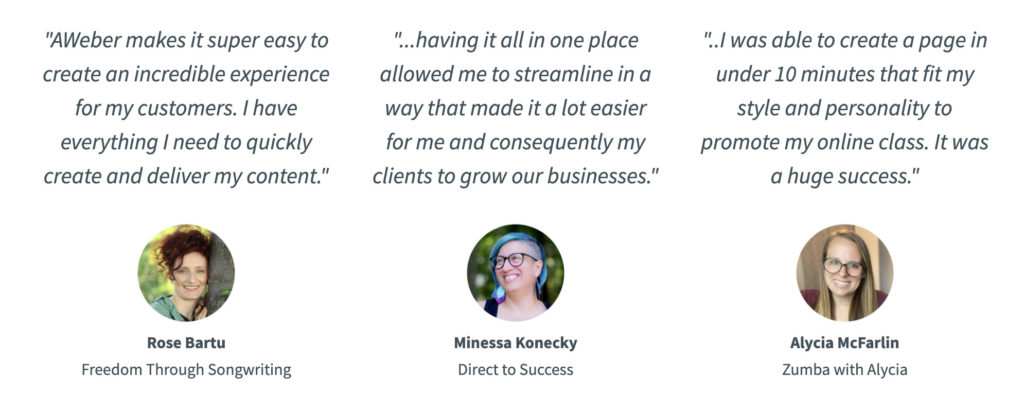
Integrating these trust signals strategically into an email marketing strategy requires careful placement across key touchpoints in the subscriber lifecycle. The integration process typically begins before a user even enters the ecosystem, specifically adjacent to the digital signup form. When visitors encounter a landing page, blog, or website subscription module, they implicitly question whether the content will justify sharing their personal inbox information. Positioning a strong testimonial directly beside or above the form addresses this hesitation immediately. Optimizing these elements has become increasingly streamlined, with modern digital tools allowing creators to deploy high-converting signup forms equipped with integrated testimonial blocks within minutes.
Once a subscriber joins an email list, the initial welcome email represents a critical window to secure ongoing attention and encourage engagement, potentially moving the sender out of cluttered promotional tabs. Incorporating a credible third-party review or testimonial in the body or concluding section of a welcome communication reinforces the value proposition far more effectively than self-authored messaging.
As campaigns transition into promotional pitches and sales sequences, pairing direct offers with verifiable evidence consistently yields stronger conversion rates. Sales emails detailing course structures, time commitments, or software features benefit immensely from attaching specific results achieved by past participants. Rather than relying on generic praise, marketers find that testimonials highlighting quantifiable outcomes—such as specific financial milestones reached or operational efficiencies gained—provide the persuasive weight necessary to convert hesitant prospects. In some instances, crafting an entire promotional message around a detailed customer success story serves a dual purpose, solving the common creative hurdle of what to write while letting satisfied users construct the narrative.
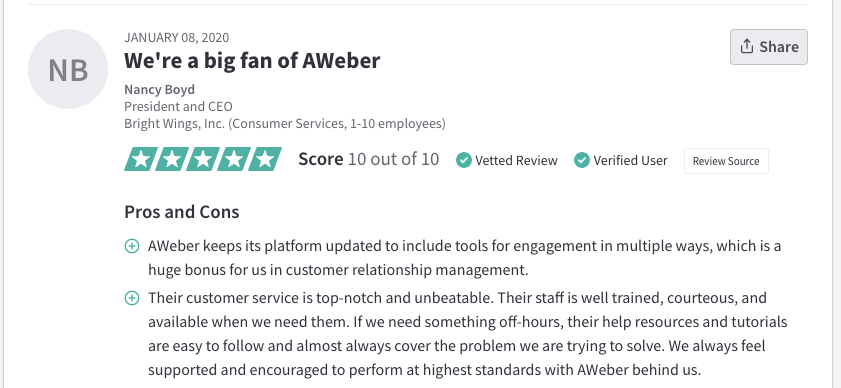
Beyond direct sales, trust badges and referral frameworks harness the power of peer recommendations. Encouraging subscribers to forward useful content to colleagues or peers functions as a digital word-of-mouth referral, which can be further amplified by highlighting industry certifications, awards, or specialized creator badges. When subscribers believe that sharing a brand’s content aligns with their own professional credibility, distribution rates naturally rise.
Even in high-friction scenarios such as abandoned cart recovery, strategic deployment of proof can alter outcomes. When a prospective buyer leaves items in a digital shopping cart, automated reminder messages serve as a prompt, but introducing a concise piece of validation—such as a humorous or relatable social media shoutout regarding the product’s efficacy—relieves pressure and reminds the consumer that a broader community values the item they nearly acquired.
Industry experts emphasize that executing a social proof strategy does not require elaborate production resources. Securing even a single authentic review, positioning it strategically near a subscription portal, and reinforcing it within introductory communications establishes a compounding asset that strengthens with every new interaction a brand receives.