Automattic is making a major push to simplify digital publishing for audio creators by introducing robust, native podcasting capabilities to the WordPress ecosystem through Jetpack and WordPress.com. The new features bridge the gap between traditional website management and modern audio distribution, allowing podcasters to manage their shows, blogs, newsletters, and social media channels under a single roof.
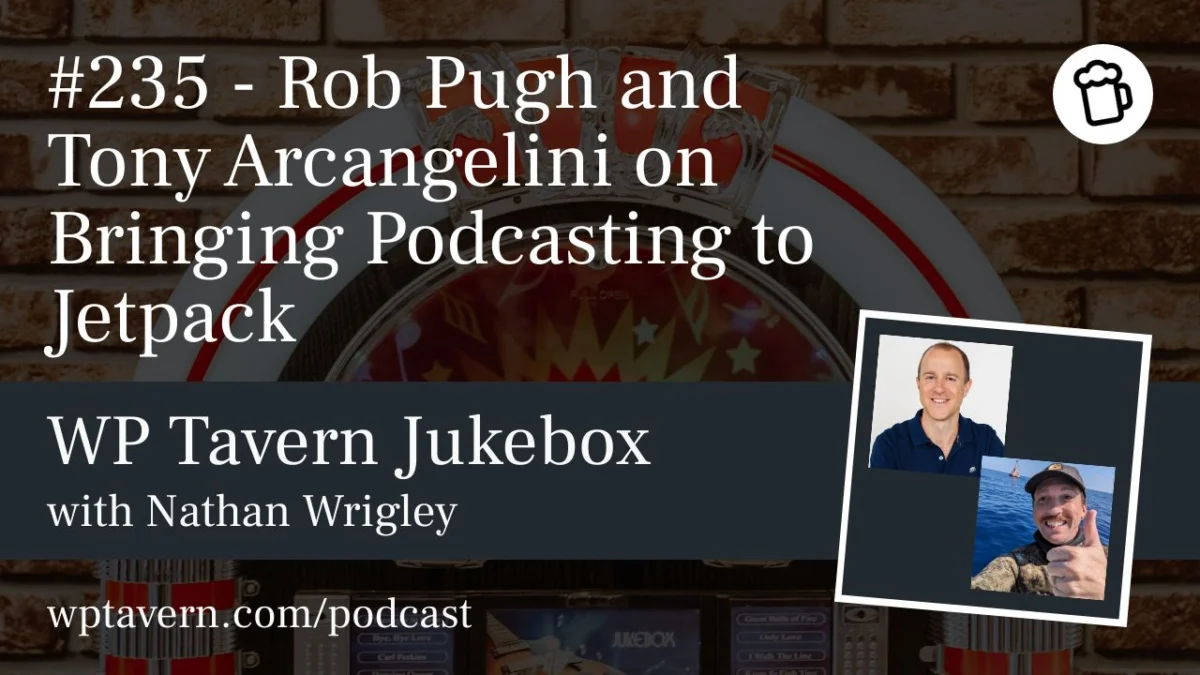
Nathan Wrigley, host of the WP Tavern Jukebox Podcast, recently sat down with longstanding Automattic team members Rob Pugh and Tony Arcangelini to discuss the new tools. Both Pugh and Arcangelini bring extensive backgrounds in marketing, product, and software development, having spent years building tools for creators, writers, and podcasters. Their latest initiative aims to give independent creators a viable, open alternative to walled gardens like Substack and Patreon.
While basic audio embedding and RSS feed capabilities existed on WordPress.com for years, they remained largely outdated and limited. The team recognized that creators needed a more robust, integrated solution with detailed analytics, streamlined distribution, and multi-channel publishing. By shifting these capabilities into Jetpack and WordPress.com, Automattic is providing self-hosted and managed WordPress users with a unified home for all their content.
A Unified Platform for Creators
The core philosophy behind the new Jetpack podcasting tools centers on data ownership and simplicity. In an era where creators frequently face changing algorithms and monetization policies on third-party platforms, Automattic is leaning heavily into the open-source ethos of WordPress.
Content creators can now draft a regular blog post, drop in an audio file, assign a specific category, and let Jetpack handle the rest. The moment the post is published, the system automatically updates the RSS feed, dispatches a newsletter to subscribers, and triggers automated social media posts. This single-publish workflow eliminates the need for complex third-party automation tools like Zapier webhooks.
Furthermore, creators retain total control over their data, audience relationships, and site monetization. Whether a podcaster wants to sell custom merchandise using WooCommerce, alter their site design for the holidays, or completely migrate their archive to another host, the open foundation of WordPress ensures they will never be locked into a proprietary ecosystem.
Streamlined Distribution and Deep Integrations
Setting up a podcast has historically required navigating a tedious setup process across dozens of disparate directories and players. The new Jetpack integration seeks to alleviate this friction by offering a dedicated distribution dashboard. Creators can view the status of their show across major networks—including Apple Podcasts, Spotify, Amazon Music, and Podcast Index—directly from their WordPress dashboard.
A standout component of the new rollout is its tight integration with Pocket Casts, the popular podcast listening platform also operated under the Automattic umbrella. Users can submit their feeds to the Pocket Casts network almost instantly, drastically cutting down the approval times typically associated with third-party directories.
The integration also paves the way for advanced features like automated transcriptions. By leveraging the technical infrastructure already built by Pocket Casts, the Jetpack ecosystem can generate and handle transcripts smoothly, enhancing accessibility and searchability for listeners. Additionally, built-in analytics provide essential insights—such as listener counts by app, episode performance, and geographic data—without overwhelming users with overly complex metrics.
Accessibility and the Future of Content Ownership
To encourage adoption, Automattic has maintained its generous free tier across WordPress.com and Jetpack. Creators can launch a blog, send unlimited newsletters to unlimited subscribers, and host unlimited podcasts for free. Optional upgrades unlock advanced features, enhanced stats, and specialized audio hosting tailored for the platform.
As the creator economy continues to evolve—particularly with the rapid rise of video podcasting and artificial intelligence—Automattic views native WordPress integration as a crucial step forward. By uniting the written word, the spoken word, and video under a single open platform, the team hopes to draw creators back from closed platforms and remind them of the enduring value of owning their digital home.