As another busy week in the digital landscape draws to a close, professionals are taking a moment to review the latest insights, technological updates, and industry developments shaping the future of business and artificial intelligence. Whether read immediately or saved for later review, the rapid pace of technological change continues to redefine how marketers, developers, and enterprises approach their daily operations.
The convergence of artificial intelligence and digital strategy has moved past simple experimentation. Today’s updates highlight a broader industry shift toward practical execution, advanced reasoning models, and standardizing how autonomous tools interact with businesses.
Why You Shouldn’t Accept the First Layout AI Gives You
When professionals begin designing layouts with artificial intelligence, settling for the very first output generated by the prompt remains a common and limiting mistake. Creators often find themselves trapped in a cycle of endless fine-tuning on a single layout that never quite achieves the desired aesthetic or functional mark.

According to design workflow experts, the faster path to achieving a polished and professional result involves asking for multiple iterations right from the initial prompt. By generating a variety of distinct options simultaneously, users can compare contrasting visual directions, select the strongest foundational framework, and avoid the frustrating limitations of modifying a single suboptimal draft.
Before making radical or irreversible changes to an AI-generated design, practitioners recommend duplicating the workspace file and labeling it with the current date. This simple administrative habit ensures that creators can easily revert to a previous state if the AI inadvertently forgets earlier contextual instructions during subsequent prompts.
For those looking to observe this design workflow in action, industry experts demonstrate the process step-by-step in specialized instructional sessions. Educational initiatives such as the AI Business Society provide members with immediate access to replays that focus on visually elevating professional work without the overhead of a traditional creative team.

Learn by Doing: Bridging the Gap Between Theory and Practice
Professionals have spent months reading online threads, bookmarking technical guides, and saving instructional tutorials about artificial intelligence. However, understanding what is theoretically possible and knowing how to effectively deploy those capabilities on a busy workday remain two entirely distinct challenges.
Bridging that gap requires moving beyond passive consumption into active, practitioner-led training. Intensive, hands-on learning environments—such as upcoming industry gatherings like AI Business World—are designed to address this exact friction point. Featuring multi-day interactive sessions taught by working professionals who actively utilize these technologies in their daily operations, these programs focus on real-world application rather than abstract theory.
How to Build Custom AI Apps Without Being Technical
Many businesses and individual operators grow increasingly tired of paying for off-the-shelf software subscriptions that offer bloated feature sets while only solving half of the actual problem. Modern artificial intelligence capabilities now make it possible for non-technical users to build bespoke software tools tailored precisely to their unique operational bottlenecks, even if they have never written a single line of code.
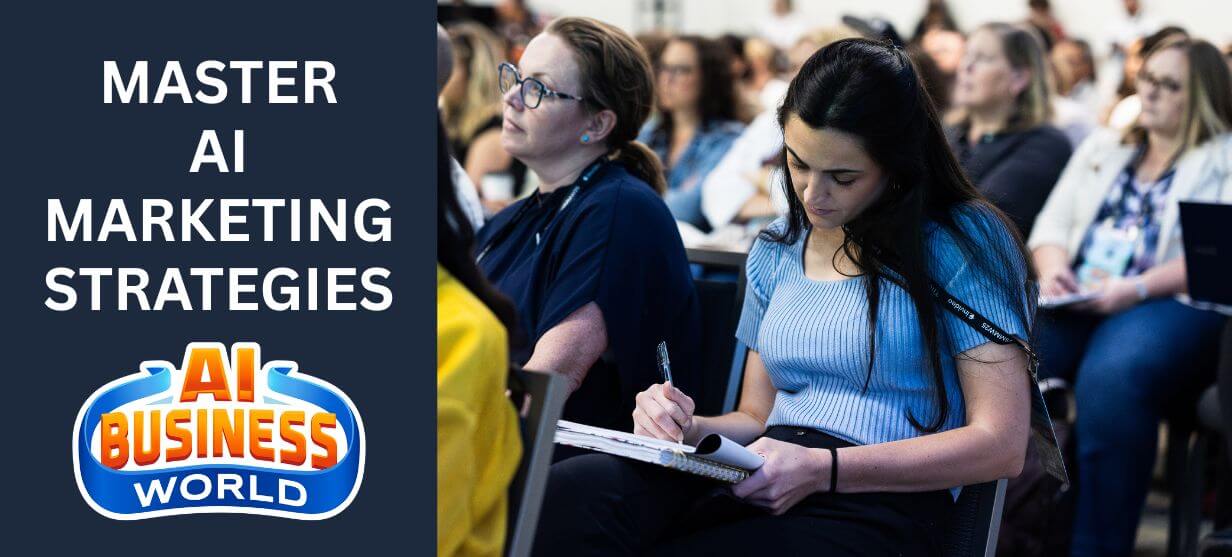
Erika Stanley, an AI strategist and podcast host, recently shared her experiences replacing recurring software subscriptions with custom applications she built entirely on her own. This shift represents a fundamental change in mindset: transitioning from a passive software consumer into an active builder. Creating tools designed for a singular market of one can generate substantial financial savings while solving hyper-specific operational challenges that no commercial software was ever engineered to address.
When embarking on a custom build, strategists advise starting with a simple, foundational prototype rather than an overly complex enterprise platform. Utilizing structured frameworks prevents initial projects from stalling before completion. Furthermore, leveraging AI tools to conduct preliminary interviews can assist users in generating the exact documentation that software developers typically require, saving both time and development costs before opening an actual building platform.
Choosing the right development environment depends heavily on user experience and project scope. While all-in-one "vibe coding" platforms lower the barrier to entry, advanced tools provide deeper customization. Regardless of the chosen path, establishing rigorous security checks and routine backup habits from day one remains essential to ensuring that a single erroneous change does not compromise the entire project.
Marketing and AI Under One Roof
For many organizations, marketing strategy and artificial intelligence skill development have historically evolved along entirely separate tracks. Teams often absorb a platform update here or a technical tutorial there, rarely integrating both disciplines into a cohesive, unified strategy.
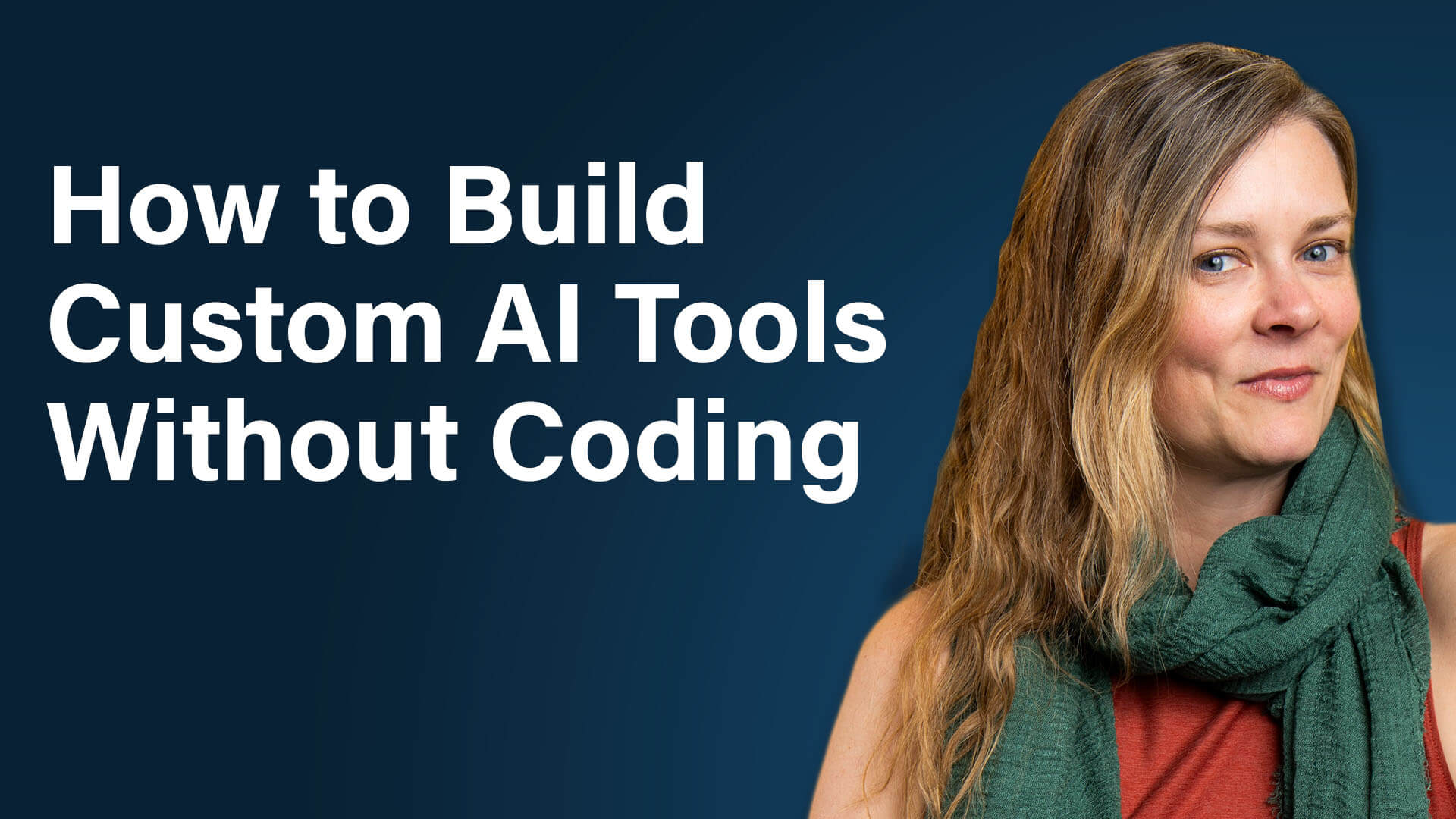
Comprehensive industry events, such as Social Media Marketing World, seek to bring marketing fundamentals and advanced AI capabilities under one roof. By combining traditional marketing workshops with specialized AI tracks taught entirely by active practitioners, organizations can align their promotional strategies with the technological tools driving modern consumer engagement.
Industry News You Can Use
Google Brings Reusable Skills to Gemini and Plans to Replace Gems
Google is introducing reusable skills globally within Gemini chat, providing users with a streamlined method to save frequently used instructions and rapidly redeploy them for recurring workflows. These new skills can seamlessly incorporate reference files, execute automatically in response to relevant prompts, and be combined to manage sophisticated tasks—such as producing content that simultaneously adheres to personal writing preferences and corporate brand guidelines.

As part of this rollout, Google plans to expand the feature with advanced sharing capabilities and native Workspace integrations. Concurrently, the company will automatically migrate existing user Gems as the older feature is gradually phased out.
Google Launches Gemini 4 Argon With a Focus on Cybersecurity and Complex Workflows
Google has officially introduced Gemini 4 Argon, a powerful new artificial intelligence model engineered specifically for long-horizon reasoning across demanding domains such as cybersecurity, software engineering, advanced research, professional writing, and visual analysis. The model has undergone specialized training focused on defensive cyber operations and is initially rolling out to select security partners via Google’s Fairwind Program.
According to Google, Argon demonstrates the capability to autonomously discover, validate, and patch critical system vulnerabilities. Meanwhile, internal engineering teams are already deploying the model to accelerate tasks such as complex debugging and large-scale codebase migrations.

Meta Previews an Open Standard for Personal and Business AI Agents
Meta is actively collaborating with Sierra and a diverse coalition of commerce, payments, and customer experience partners to develop the Personal Agent Protocol. This initiative establishes common industry standards governing how personal artificial intelligence agents interact securely with commercial businesses.
The framework aims to provide enterprises with clearer operational control over user authentication, identity verification, website interactions, APIs, and agent behavioral boundaries. By establishing this infrastructure, personal agents will be able to move beyond basic browser automation toward direct, authorized communication with business systems. Meta intends to make the protocol open for any organization to implement, laying the groundwork for shared agent-driven commerce ecosystems.
OpenAI Expands ChatGPT Ads With Visual Formats, Measurement, and Brand Suitability Tools
OpenAI is broadening the scope of its advertising ecosystem by introducing a visual ad format designed to appear organically during image generation sessions. This addition offers brands an innovative channel to showcase products and services as users actively explore ideas and make purchasing decisions.

In tandem with the visual format, the company is scaling up conversion, attribution, and full-funnel measurement capabilities through an expanding partner network. OpenAI is also introducing robust brand suitability controls and independent evaluation pilots. These updates are intended to provide advertisers with clearer performance metrics while strictly preserving the separation between commercial promotions and conversational responses, thereby safeguarding user privacy.