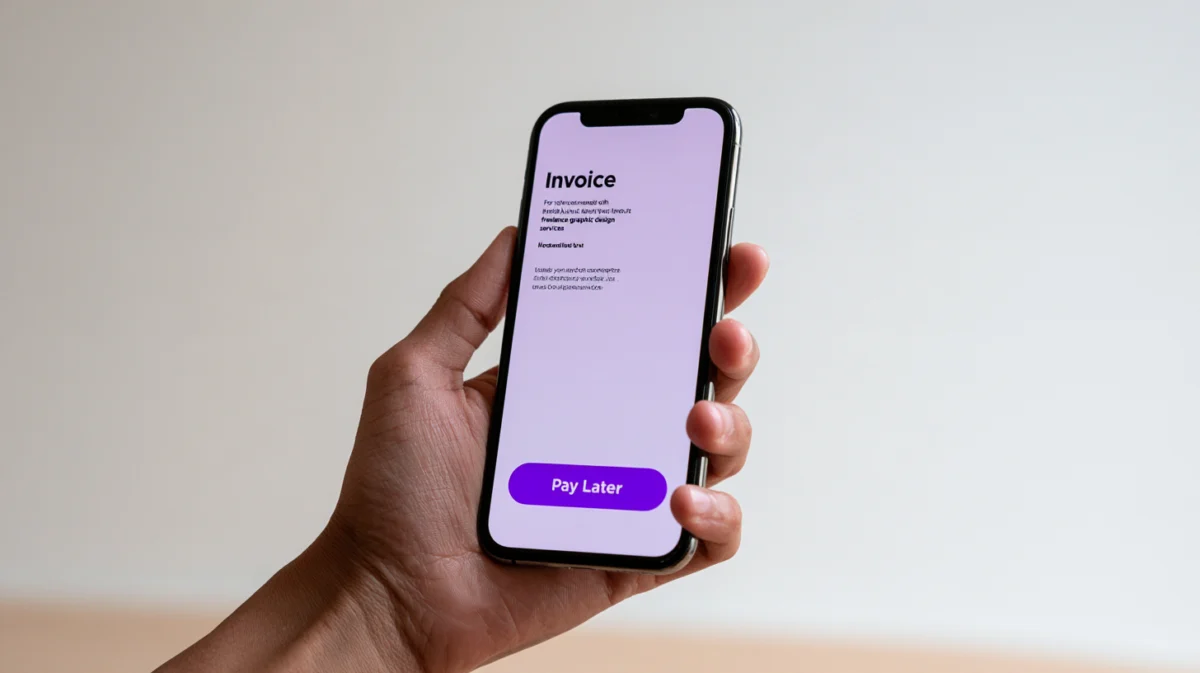
When a comprehensive $8,000 branding proposal falls flat, it is rarely because the client has suddenly decided they no longer need the creative work. More often than not, the pitch does not receive a formal rejection; instead, it simply vanishes into the digital ether, met with dead silence and unreturned emails. According to seasoned business consultants and independent service providers, this phenomenon—commonly known as ghosting—occurs because asking a client to fork over $8,000 all at once introduces a massive psychological and operational hurdle. It is fundamentally a cash-flow and risk management problem disguised as a client objection, and it demands an entirely different strategic solution than simply slashing prices or sweetening the creative deliverables.
Across the independent workforce, freelancers and boutique agencies consistently undercharge for their expertise. Interestingly, this pricing ceiling is rarely tied to a lack of confidence in their hourly or project rates. Rather, many creative professionals feel profoundly constrained by an invisible ceiling dictated by what they imagine a client can comfortably write a single check for in a given billing cycle.
Introducing structured payment terms fundamentally alters this calculation. When a seemingly daunting $6,000 website design project is reframed as manageable increments of $1,500 spread evenly across four months, the entire calculus shifts. The client’s immediate cash flow remains protected, and the psychological weight of a massive lump sum evaporates. This approach is not a discount, nor is it a sign of weakness; rather, it is a proven method of removing friction from the buying process. Yet, despite its effectiveness, flexible payment structuring remains one of the most underused commercial levers in the freelance and small agency economy.
Why Productized Service Businesses Already Know This
Observers of the rapidly growing productized services sector will immediately recognize this dynamic at play. Companies specializing in monthly design subscriptions, dedicated search engine optimization retainers, or bundled copywriting packages figured out the psychology of billing years ago. They quickly realized that a recurring fee of $2,500 per month lands significantly better with prospective buyers than a daunting $30,000 annual contract, even though the underlying mathematical totals are completely identical. In these business models, the payment structure itself functions as a core component of the sales strategy, lowering barriers to entry and accelerating decision-making timelines.
By contrast, traditional freelancers and independent contractors working on project-based engagements have been much slower to adopt this progressive line of thinking. The industry default remains stubbornly entrenched in a rigid structure: 50 percent paid upfront as a deposit, and the remaining 50 percent due upon final delivery. While this traditional binary split works adequately enough for small-ticket tasks and minor assignments, it creates an entirely different set of obstacles for mid-tier engagements ranging from $5,000 to $15,000.
For projects in this lucrative sweet spot, the standard model frequently forces the client into a position where they must write two exceptionally large checks back-to-back within a relatively short window. This requirement naturally induces hesitation, dragging out the sales cycle or killing the deal entirely, even when the client’s desire to hire the professional is completely genuine. Ultimately, the underlying fix for this widespread industry bottleneck does not require slashing your base pricing or devaluing your expertise; instead, the key is fundamentally rethinking how those payments are structured over time.
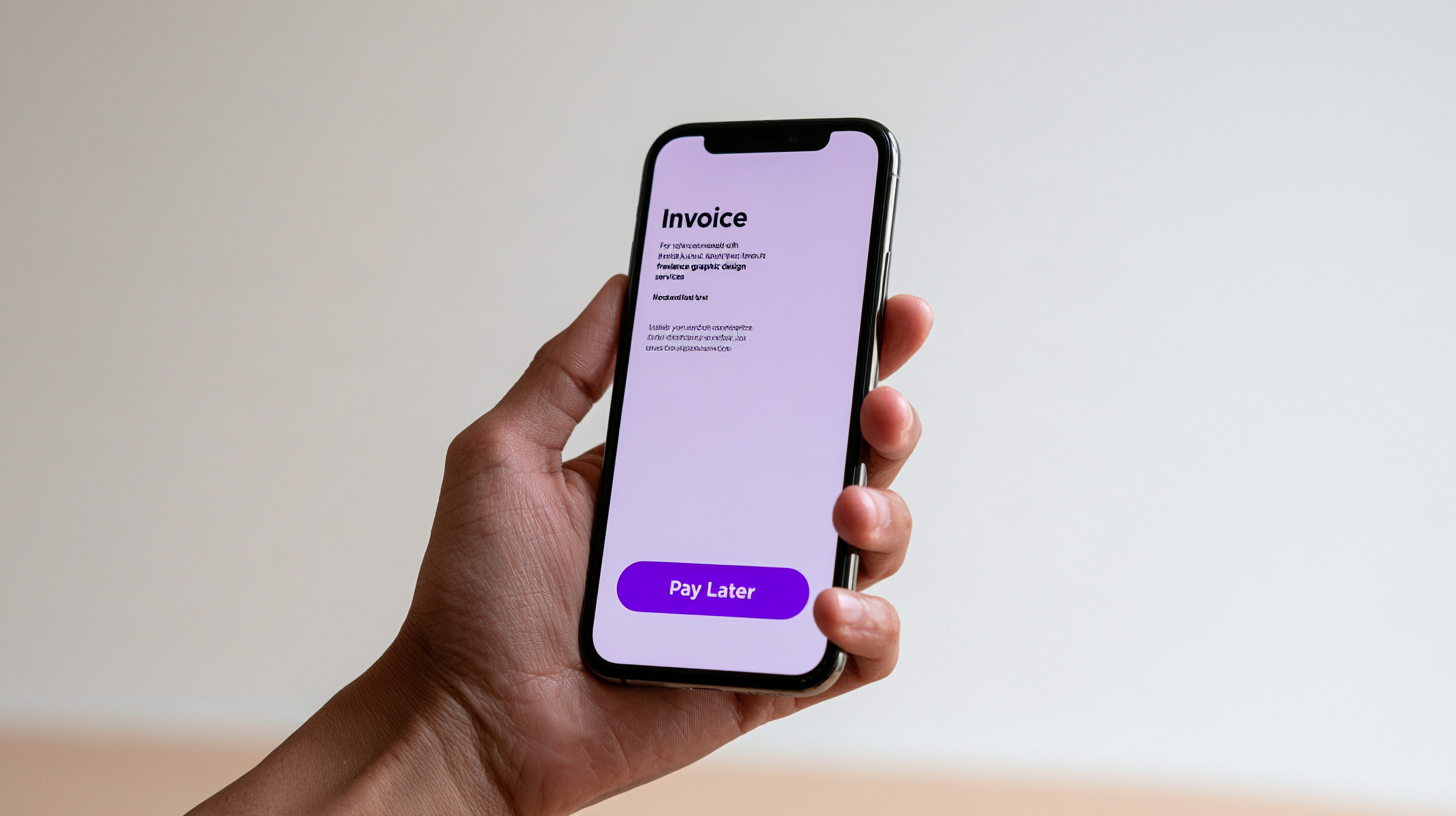
Three Ways to Structure Client Payments
Industry experts point to several distinct methods for reconfiguring payment terms to better match modern client cash-flow realities without compromising the perceived value of the service being rendered.
Milestone billing stands out as the most traditional yet highly effective approach for projects with clearly defined scopes and deliverables. By breaking a larger engagement into distinct chronological phases with a proportional payment tied directly to each completed milestone, providers can dramatically reduce perceived financial risk. For instance, a comprehensive brand identity project might be logically divided into three stages: discovery and initial strategy, creative concept development, and final asset delivery. With a third of the total fee due at the conclusion of each stage, payments remain perfectly aligned with tangible project progress, keeping both parties comfortable and invested.
Alternatively, the retainer or subscription model successfully converts volatile project-based revenue into predictable, recurring monthly income. This structure thrives when an engagement naturally involves ongoing support—such as continuous content creation, website maintenance, strategic oversight, or iterative design iterations—rather than a single, isolated deliverable. For high-ticket clients, committing to a long-term retainer often yields a total annual value that is substantially larger than any one-off project fee they would have ever approved as a single lump-sum invoice.
Third-party financing represents a third path that many independent operators have historically overlooked. Instead of attempting to manage complex installment billing, chasing delayed invoices, or manually tracking partial payments yourself, you partner with an established third-party financing platform. Under this arrangement, the financial platform pays you upfront and in full for your services, while the client repays the platform through manageable monthly installments. The administrative complexity of collections vanishes entirely, you secure immediate liquidity, and the client gains the financial flexibility they need to move forward.
What Customer Financing Actually Means for a Service Business
Historically, customer financing was largely confined to retail environments, such as furniture showrooms, electronics outlets, and home improvement contracting businesses. Over recent years, however, the ecosystem has matured and expanded significantly. Professional and creative service providers can now seamlessly integrate structured payment plans into their workflows using specialized third-party platforms that independently handle all credit evaluation and collection mechanics.
For service business owners curious about the operational mechanics, these platforms generally operate through a straightforward digital integration. When a client expresses a desire to spread their project costs over time, they complete a direct application via a secure link provided by the vendor. Most modern platforms rely on a soft credit check—an inquiry that has zero impact on the client’s actual credit score—and deliver an instant approval decision within moments. The service provider receives full payment within a few business days, while the client gradually satisfies their balance with the financing company.

Consider the practical application for a $7,500 branding and identity engagement. Through a structured financing partner, that lump sum translates into a manageable monthly commitment for the client, such as roughly $625 per month over the course of a year. For the business owner, the financial barrier is instantly dismantled, and the invoice is fully settled long before the initial discovery phase concludes.
Does It Work for B2B Freelancers? What Types of Services Fit?
The practical effectiveness of payment flexibility ultimately depends heavily on the target demographic and the specific nature of the client’s accounting practices.
Consumer-facing freelancers—those whose primary clientele consists of small business owners, solo entrepreneurs, or individual stakeholders rather than rigid corporate procurement departments—tend to see the highest success rates with these models. These buyers typically make purchasing decisions much like consumers do: through a blend of emotional conviction, practical necessity, and a close eye on personal or small-business cash flow. A $9,000 website redesign proposal represents an entirely different financial reality to an independent restaurant owner than it does to a publicly traded enterprise marketing department backed by an expansive six-figure departmental budget.
Services that naturally align with installment structures include comprehensive brand identity design, full-scale website development, ongoing copywriting and content strategy for growing ventures, commercial photography and video production, and integrated social media management packages. In each of these scenarios, the buyer is typically an owner-operator making direct purchasing decisions, the price point falls neatly within a range that benefits from amortization, and the primary obstacle is cash flow rather than skepticism regarding the value of the work. Conversely, enterprise clients bound by rigid corporate procurement protocols or very low-ticket gigs where administrative overhead outweighs the benefits are far less suited for these alternative arrangements.
How to Present Payment Options Without Undercutting Your Value
One of the most common pitfalls independent professionals encounter when attempting to introduce payment plans is apologizing for their pricing structure before presenting the option. Leading with financial flexibility as a way to soften a rate you lack confidence in sends precisely the wrong psychological signal to a prospective client, who will inevitably notice the hesitation.
The most effective framework involves stating your total project price with absolute clarity and unwavering confidence, then presenting the payment option merely as an operational convenience rather than a desperate rescue measure. Phrasing a proposal to note that the engagement totals a specific figure, and mentioning that most clients prefer to structure that investment across several months for cash-flow convenience, changes the entire dynamic. You are not asking for retroactive permission to charge your worth; you are simply offering a logistical tool designed to make collaboration smoother.

When utilizing a third-party financing platform, maintaining this matter-of-fact tone remains paramount. Presenting the arrangement as a standard administrative option—noting that clients can apply in minutes for an instant decision to spread costs while the project moves forward—reinforces professionalism and authority.
The Mindset Shift: You’re Not Discounting, You’re Removing Friction
Many independent operators initially resist implementing payment plans because the concept feels uncomfortably close to offering a discount or signaling financial desperation. However, this perspective fundamentally misinterprets the root cause of lost proposals.
When a high-value proposal gets ghosted after initial enthusiasm, the breakdown is rarely caused by a fundamental disagreement over the quality or worth of the service. Instead, it is the intimidation factor of the lump sum that halts progress, introducing perceived financial risk that a monthly equivalent would easily neutralize. By adopting modern payment infrastructure, freelancers and small agencies signal a deep understanding of corporate cash management and operational maturity, successfully bridging the gap between high-tier pricing and client-side liquidity.