It started as a casual curiosity, but like so many others across the globe, it quickly turned into an obsession. After stepping onto the court for the first time, it didn’t take long to realize why pickleball—a dynamic sport combining elements of tennis, badminton, and ping-pong—has become a cultural phenomenon. Sweeping across communities with a unique blend of accessibility, fast-paced action, and inclusive fun, the sport welcomes players of all ages and athletic abilities.
Yet, beyond the sound of graphite paddles striking polymer balls and the lively chatter of local recreation centers, the game offers surprising strategic parallels for digital creators. As the content landscape grows increasingly competitive, bloggers looking to elevate their craft might find that the principles driving pickleball’s success hold the key to building a resilient, engaging online presence.
Start Small and Think Big
Every grand enterprise has modest origins, and pickleball is no exception. The sport was born in 1965 on Bainbridge Island, near Seattle, Washington, conceived out of boredom by families looking for a way to entertain their children. What began as a makeshift game played with plywood paddles and a perforated plastic ball on a backyard badminton court has since evolved into an international sensation with professional leagues and millions of dedicated players.
For content creators, this trajectory mirrors the classic journey from an obscure, fledgling website to a thriving digital hub. Every successful blog begins with a blank page and a single published post. Creators must start with the resources they have, right where they are, while keeping their eyes fixed on their broader long-term goals. Growth in both sports and publishing happens incrementally, built on a foundation of consistent effort rather than overnight success.
Rally Your Community and Keep the Conversation Going
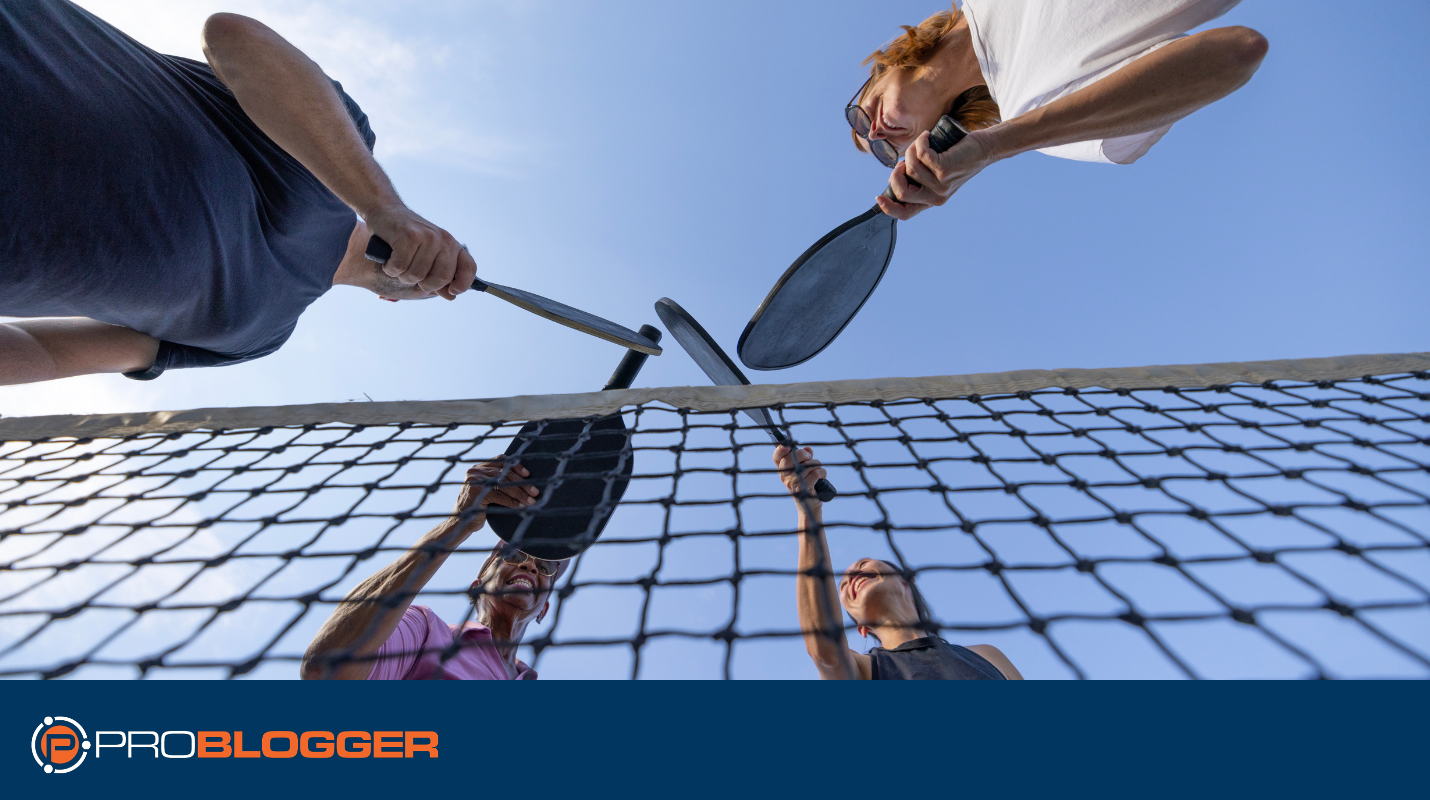
In pickleball, a sustained rally is the hallmark of a great match. When players maintain a steady exchange, it draws in spectators, elevates the energy on the court, and keeps everyone invested in the outcome.
A similar dynamic defines the relationship between a blogger and their readership. Actively engaging with an audience transforms casual, one-time visitors into a loyal, vibrant community. Whether it is responding thoughtfully to comment sections, participating in broader social media discussions, or hosting live interactive sessions, keeping the digital rally going fosters deeper connections. The longer and more meaningful the exchange, the more invested the community becomes in the life of the blog.
The Power of Simplicity and Strategic ‘Dinking’
One of the defining strategies in pickleball is the "dink"—a soft, deliberate, and highly strategic shot hit from the non-volley zone that drops the ball just over the net. Rather than relying solely on raw power, players use the dink to control the pace, disrupt their opponent’s rhythm, and force mistakes.
For writers, dinking translates to the art of simplifying complex information into digestible, engaging content. In an era of information overload, less is frequently more. A gentle, clear approach to communication often resonates far more deeply than aggressive marketing or overly dense prose. By avoiding unnecessary jargon, maintaining a clean visual layout, and focusing on straightforward readability, bloggers can ensure their message lands precisely where intended.
Finding Your Content Sweet Spot
Pickleball rules enforce strict boundaries, most notably regarding the "kitchen"—the non-volley zone directly adjacent to the net. Players are prohibited from standing inside this zone to hit the ball unless it has first bounced inside it. Navigating the edge of the kitchen requires acute spatial awareness: standing too far back surrenders control of the net, while stepping too far forward risks a fault.
Bloggers face a similar balancing act when engaging their audience. The ideal content sweet spot is a place of equilibrium—not overly salesy and commercial, yet not too distant and academic. It is the precise middle ground where communication bounces naturally back and forth, fostering genuine engagement without overstepping boundaries or alienating readers.
Learning From the ‘Whiffs’
Even seasoned pickleball champions occasionally misjudge a shot, resulting in what players colloquially call a "whiff." In the high-stakes environment of digital publishing, not every piece of content will land with the intended impact, and traffic metrics will occasionally dip.
Rather than signaling failure, these missteps serve as valuable diagnostics. Every missed opportunity provides a chance to analyze audience response, refine strategy, and adapt. The crucial factor is resilience—continuously swinging the paddle, learning from the data, and preparing for the next serve.
Navigating Change and Maintaining Focus
The digital landscape is in a state of constant flux, shaped by evolving search engine algorithms, shifting social media dynamics, and changing reader habits. Pickleball players spend countless hours analyzing opponents, studying new techniques, and adapting their tactical approach mid-match. Bloggers must cultivate a similarly flexible mindset, staying informed about industry trends to keep their content relevant.
At the same time, maintaining concentration is vital. In sports, a momentary lapse in attention can instantly cost a point. In digital media, losing sight of a publication’s core purpose or failing to address the evolving needs of an audience leads directly to disengagement. Sustaining success requires keeping focused on primary goals while actively soliciting and integrating reader feedback.
Serving With Purpose and Strategic Positioning
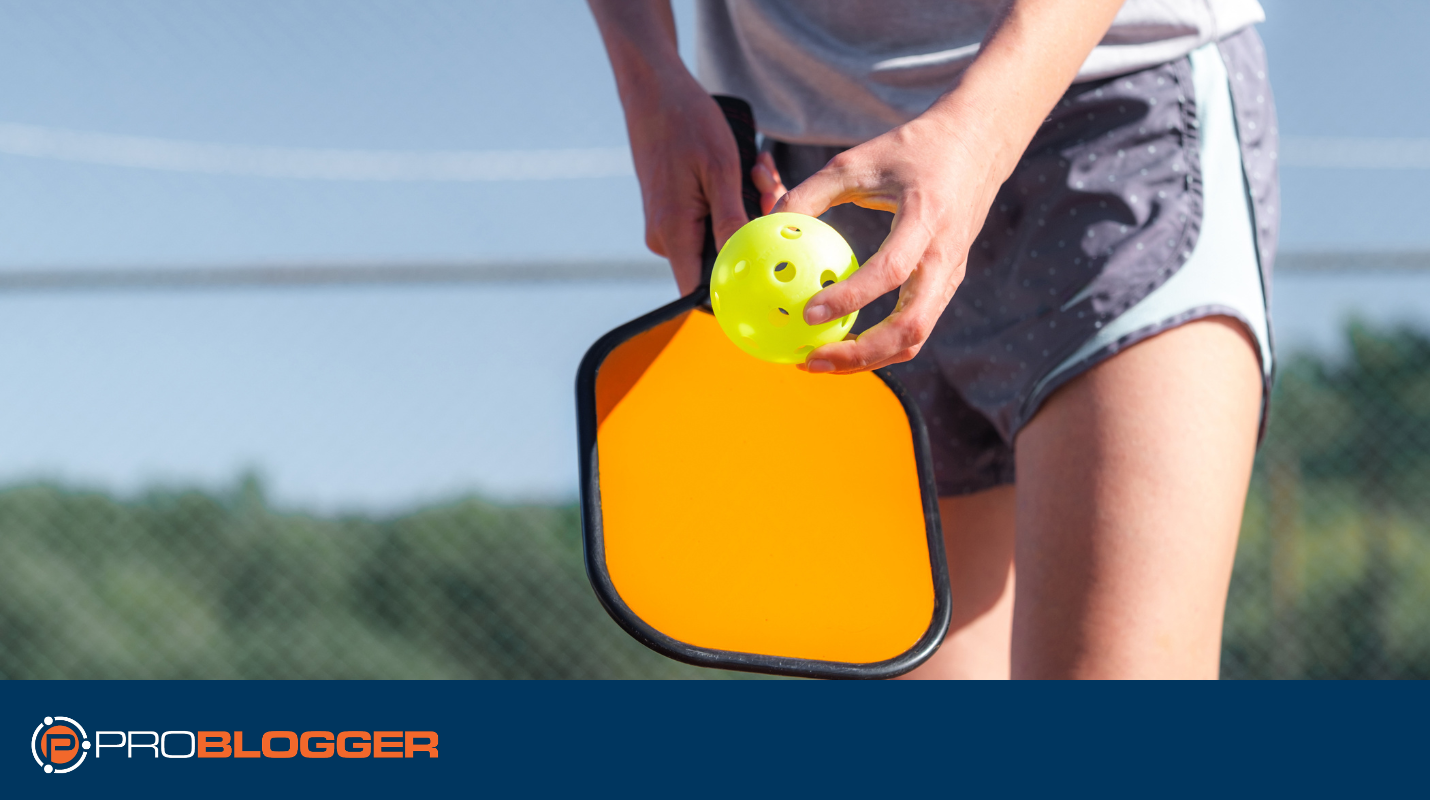
A well-executed serve in pickleball dictates the flow of the entire point, immediately putting pressure on the opposing team. In much the same way, a strong, compelling introduction in an article sets the tone for everything that follows. Hooking readers with a powerful opening, delivering consistent value throughout the body, and concluding with a clear call to action can make all the difference in audience retention.
Furthermore, strategic positioning on the court allows players to dictate the terms of engagement and exploit opponents’ weaknesses. In the crowded ecosystem of online publishing, understanding a specific niche and positioning a brand to solve unique problems is equally essential. Knowing who the audience is and where the gaps in the market lie helps independent voices stand out.
Ultimately, beneath the strategy and competition, pickleball endures because it is fundamentally enjoyable. People show up to the courts week after week for the sheer pleasure of playing. Blogging, too, requires that same intrinsic enjoyment. When creators write about topics they are genuinely passionate about, that enthusiasm inevitably translates to the page, making the work more resonant, personal, and enduring for everyone involved.