In the fast-paced world of advertising, marketing, and film production, a campaign idea is traditionally both cheap to describe and expensive to prove. Creators and agencies have long relied on a meticulous and often tedious pipeline of writing a subject, outlining action, and detailing visual aesthetics, only to wait days or weeks for storyboards or test shoots to determine whether a concept holds up in motion. This waiting period frequently burns substantial portions of production budgets on music videos, films, and commercial spots before financial commitments are fully secured. Static storyboards notoriously fail to capture the nuances of dynamic motion, authentic sound design, or whether a character’s appearance remains consistent across subsequent setups.
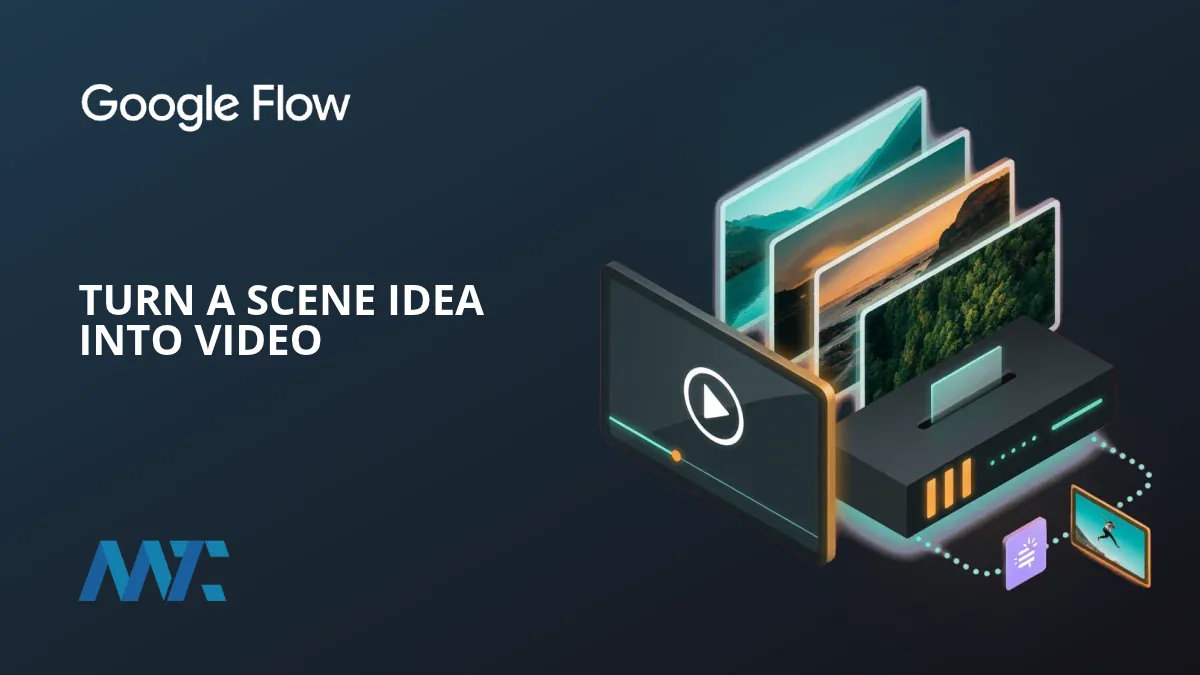
To bridge this costly gap between initial conception and final execution, Google DeepMind has introduced Google Flow, an advanced artificial intelligence studio designed specifically to help marketing and creative teams test, visualize, and refine scene ideas long before a crew is booked or cameras start rolling. Powered by Google DeepMind’s most sophisticated foundational models—including Veo, Nano Banana, and Gemini—Flow allows professionals to generate images, videos, and narrative tools within a unified workspace. Users can describe a scene, generate a still image or a video clip, and organize the outputs into collaborative projects that can be easily shared with clients and downloaded for subsequent production rounds.
A Studio That Generates the Scene
Flow functions as a comprehensive ecosystem for pre-visualization and content iteration. When creative teams require finer control over motion dynamics and native audio capabilities, they can run their clips using Veo 3.1. For projects that originate from real-world photographic references or require iterative shot revisions through natural conversational prompts, users can integrate Gemini Omni. Meanwhile, static imagery and initial keyframes are generated by Nano Banana, ensuring that both still assets and moving video clips inhabit the exact same aesthetic universe within a single project file.
The implications of shifting the initial shot from a physical set to a digital file are profound. Producers can test an entire setup, modify the action, alter the geographic placement, or completely change the lighting scheme by simply prompting the system again, bypassing the traditional bottleneck of holding an abstract idea in a paragraph until a full production crew is actively on the clock. By defining a start frame and an end frame, creators can give a video clip a precise trajectory, while specialized reference images ensure that a specific character or commercial product maintains strict visual consistency from one version to the next.
An intelligent agent built with Gemini enables producers, directors, and brand managers to plan, create, and revise creative assets using ordinary, conversational language, drastically reducing the need to hand off every iterative pass to an external editor. Projects securely store all generated assets in one centralized hub, allowing teams to share a direct review link or download looping animations and high-resolution video files directly into a pitch deck. To maintain transparency and authenticity in commercial markets, generated outputs can carry invisible digital watermarks, while specific accounts operating in regions such as India, South Korea, and Vietnam also receive visible watermarks, addressing critical compliance needs when clips are deployed in live market campaigns.

Industry adoption of generative video studios has moved past the theoretical stage. Major production teams are already running real commercial volumes through platforms of this caliber, cementing the shift from isolated side experiments to core infrastructure for live campaign deployment. Google noted that creators have already generated over 275 million videos within Flow since its initial rollout, highlighting the massive scale at which AI-driven pre-visualization is being integrated into modern professional workflows.
What You Can Make and How the Ecosystem Operates
The creative workflow within Flow is designed to transition fluidly from an initial spark of inspiration to a polished asset suitable for stakeholder review. Users can start from a simple text description, a single frame, or a robust reference package, ultimately finishing with tangible media that an entire production team can evaluate during a single meeting. By locking down the overall look with a still image, selling the core concept with a dynamic video clip, and eventually building a multi-shot sequence when reviews demand comprehensive narrative depth, creators can iterate at unprecedented speeds.
The platform also features Flow TV, a curated space where creators can watch short films and conceptual pieces produced by other teams using the studio. To maintain platform stability during peak usage hours, video generation capabilities may temporarily pause for free-tier accounts, though image generation and the conversational agent remain fully functional so that review processes and brainstorming sessions do not grind to a halt.
Accessing Google Flow requires users to be 18 years of age or older, reside in a supported country, and complete standard age verification procedures. Professionals can sign in using a standard Google account via a desktop web browser or through the dedicated mobile application to immediately open and manage creative projects without navigating a waitlist.
The platform operates on a flexible credit system tailored to different scales of operation. A standard Google account provides free access upon sign-in, offering a daily credit allowance that resets rather than rolls over from day to day. For heavier users, a Google One AI subscription adds a substantial monthly pool of credits on top of the daily allowance, though unused monthly credits likewise reset at the end of the billing cycle without accumulating. Users do not need to purchase a separate, standalone subscription specifically for the creative studio; instead, credits are systematically deducted per generation request. Because a single prompt or request can sometimes yield multiple video clips, intensive review rounds can occasionally consume credits faster than a single prompt might suggest. Additionally, qualifying Google Workspace plans include daily credit allocations, providing a practical pathway for enterprise teams to evaluate the studio’s capabilities before committing to a paid tier.