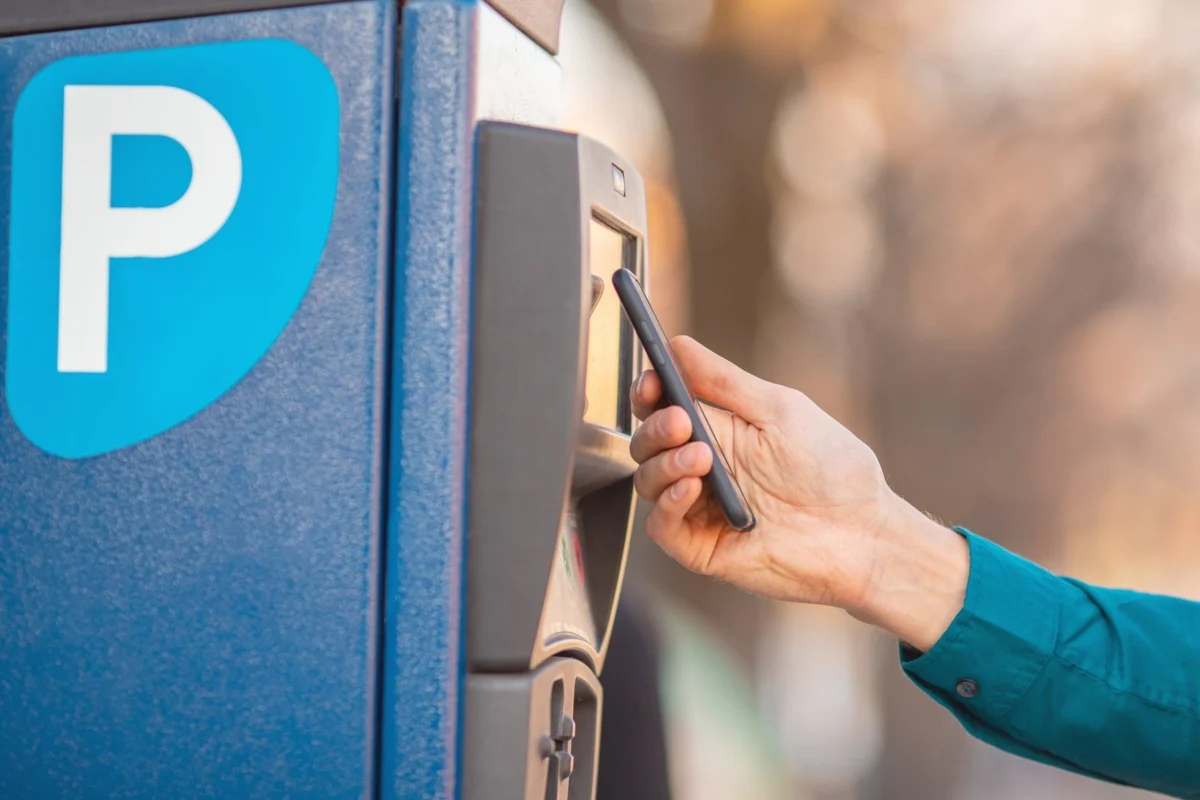
You are running late for an important doctor’s appointment, rushing through a crowded downtown street, and you finally find a vacant parking space. As you hurry to secure your vehicle, the local parking meter offers what seems like a remarkably convenient solution: simply scan a QR code with your smartphone to pay for your time and be on your way. Within seconds, you are typing your credit card information into a sleek mobile portal and heading briskly toward your destination, believing the administrative chore is safely behind you. But what if that QR code was never placed there by the city at all?
Consumer protection agencies, municipal transit departments, and law enforcement authorities are issuing urgent warnings regarding a pervasive and increasingly sophisticated form of financial fraud. Scammers have quickly realized that everyday municipal infrastructure, particularly parking meters, payment kiosks, and street signs, offers a remarkably effective backdrop for stealing sensitive payment information from distracted drivers. By carefully placing fraudulent QR code stickers directly over legitimate instructions and official payment portals, criminals can seamlessly redirect unsuspecting motorists to convincing, counterfeit websites designed explicitly to harvest credit card numbers, billing addresses, and other vital personal details.
Federal authorities have stepped up their public awareness campaigns to address the growing threat. The Federal Trade Commission (FTC) issued a formal consumer alert warning drivers across the country about the rising prevalence of fraudulent parking payment codes. According to federal regulators, criminals are systematically replacing legitimate municipal payment codes with fraudulent versions designed to mimic official city systems down to the finest visual detail. Understanding how this deceptive scheme operates, recognizing the subtle warning signs of tampering, and knowing how to verify your transaction methods before submitting financial data are becoming essential skills for modern drivers.
How the Parking Meter QR Code Scam Works
The mechanics of the parking meter QR code scam rely heavily on the widespread adoption of digital, contactless payment methods. In recent years, municipalities nationwide have embraced QR codes and mobile applications as efficient alternatives to traditional coin slots and bulky physical pay stations. Criminals have successfully weaponized this shift toward convenience by attaching high-quality stickers containing fraudulent QR codes directly to parking meters, payment kiosks, and adjacent street infrastructure. In many cases, these fraudulent stickers are meticulously sized and placed to completely cover the authentic codes provided by municipal authorities.
When an unsuspecting driver pulls out their smartphone and scans the malicious code, their device is instantly directed to a rogue web page. These fraudulent sites are frequently engineered to closely mirror official municipal parking payment portals, utilizing familiar municipal color schemes, generic city seals, and professional layouts that disarm suspicion. Once on the site, the victim is prompted to enter their credit card information, expiration dates, security codes, and billing details under the guise of paying for municipal parking.
Beyond straightforward credit card theft, malicious QR codes can also serve as conduits for more extensive cyber threats. Security researchers note that scanning unrecognized codes can sometimes direct users toward compromised web domains aimed at stealing login credentials, installing malicious software, or harvesting personal data that can later be exploited for identity theft or unauthorized account access.
Physical Inspection and the Placement of QR Codes
One of the most reliable methods for identifying a compromised parking meter involves a close physical inspection of the meter housing and the payment instructions displayed upon it. Fraudulent codes almost universally rely on physical placement, often appearing as adhesive vinyl stickers overlaid onto existing instructions, official logos, or printed municipal notices.
Municipal transit authorities have repeatedly documented these tactics in the field. The New York City Department of Transportation issued a formal public advisory after discovering a fraudulent QR code sticker affixed to an official ParkNYC meter. The deceptive sticker successfully redirected unsuspecting motorists to an unauthorized, fraudulent payment website rather than the city’s legitimate digital infrastructure. Transit officials forcefully emphasized that official municipal payments should always be conducted strictly through verified, approved payment channels rather than scanning unfamiliar adhesive stickers discovered in the wild.
If a QR code appears visibly crooked, slightly raised, recently applied, or visually inconsistent with the professional printing and labeling of the surrounding meter equipment, drivers should immediately refrain from scanning it. Taking a brief moment to evaluate the physical integrity of the payment interface can prevent a costly encounter with financial fraud.
Scrutinizing Website Addresses Before Submitting Payment
Even when a QR code appears outwardly legitimate and directs a user to a polished mobile payment page, the underlying website address can reveal critical discrepancies. Drivers should always carefully inspect the Uniform Resource Locator in their phone’s browser address bar before interacting with any payment portal. Fraudulent websites often rely on domain names that closely imitate legitimate parking services by incorporating subtle misspellings, transposed letters, hyphenation changes, or entirely unfamiliar domain extensions.
A common misconception among consumers is that the presence of a padlock icon or an address beginning with the secure HTTPS protocol guarantees a website’s authenticity. Cybersecurity experts emphasize that modern threat actors routinely secure valid encryption certificates for their fraudulent domains, meaning that a secure connection alone is no longer an adequate indicator of trustworthiness. If the web address does not precisely match the verified domain of the official municipal parking provider or authorized payment vendor, users should immediately close the browser window and seek alternative, verified methods to settle their parking fees.
Verifying Authorized Municipal Payment Applications
Not every parking meter or designated zone utilizes QR code technology, even when deceptive stickers falsely claim otherwise. Municipalities across the United States have experienced waves of unauthorized stickers targeting drivers who assume digital payment is universally available via their smartphone cameras.
The City of Raleigh, North Carolina, issued a public scam alert warning local motorists about unauthorized QR codes appearing on downtown parking meters. City officials explicitly instructed drivers to ignore the rogue stickers, advising them to pay directly at physical meter kiosks or through the municipality’s officially sanctioned Passport parking application. Similarly, transportation officials in Asheville, North Carolina, reported discovering fraudulent QR code stickers affixed to approximately twenty parking meters throughout the downtown area. Asheville authorities formally advised the public to rely exclusively on physical meters or approved Flowbird payment platforms rather than scanning codes encountered directly on the street.

Before initiating a mobile payment transaction in an unfamiliar municipality, drivers are encouraged to consult the city’s official government website to verify which specific applications and digital platforms are officially authorized for local parking enforcement.
Recognizing Suspicious and Excessive Payment Requests
A sophisticated fake parking website is often designed to extract significantly more information than a standard, legitimate parking transaction requires. While paying for parking typically involves entering a zone number, a license plate, and basic payment card details, fraudulent portals may demand vastly more sensitive data.
Websites that request online banking credentials, Social Security numbers, mother’s maiden names, or unrelated account passwords should trigger immediate suspicion. Furthermore, fraudulent payment portals frequently employ high-pressure tactics, such as displaying false error messages claiming that a transaction failed and demanding that the user repeatedly enter their credit card details. This tactic not only increases the likelihood of a successful financial theft but also exposes multiple payment cards to the same criminal enterprise.
Scammers deliberately manufacture a sense of urgency to prevent motorists from pausing to evaluate the legitimacy of the request. If a parking payment interface makes unusual or intrusive demands, the safest course of action is to terminate the transaction immediately and contact the local parking operator through a verified, independently sourced telephone number or official website.
Understanding the Limits of Webpage Payment Confirmations
One of the most deceptive and frustrating elements of the parking meter QR code scam is that victims frequently walk away believing they have successfully completed their transaction. Fraudulent websites are fully capable of displaying realistic confirmation messages, complete with imaginary receipt numbers and reassuring green checkmarks, even though the payment was never processed through the municipality’s actual financial backend.
This leaves motorists in a precarious position: they have successfully transferred funds directly to cybercriminals while leaving their vehicle entirely unprotected against municipal enforcement. Consequently, a victim can lose substantial sums of money to fraudulent operators and still return to their vehicle to find a legitimate parking citation issued for an unpaid space.
Law enforcement agencies have documented substantial financial losses stemming from these tactics. The New Westminster Police Department in Canada issued a public warning after investigating fraudulent QR codes affixed to local parking meters, noting that a single victim suffered an unauthorized withdrawal of two thousand dollars from their bank account following a deceptive parking transaction. Police emphasized the importance of confirming that a payment has successfully registered within an official municipal application or physical meter display rather than trusting a standalone webpage confirmation.
Immediate Steps Following an Accidental Scan
For drivers who suspect they may have interacted with a fraudulent QR code, the appropriate course of action depends entirely on the extent of their interaction. Simply scanning a QR code with a smartphone camera does not automatically compromise a bank account or introduce malware, provided the user did not proceed to download unauthorized files or input sensitive personal information.
However, motorists who entered financial details into a suspicious portal must act swiftly. Contacting banking institutions or credit card issuers immediately is critical to report the unauthorized activity, dispute fraudulent charges, and request immediate card replacement. If personal passwords were entered into the fraudulent interface, those credentials should be changed promptly across any other accounts where they were reused, and multi-factor authentication should be enabled wherever possible. Affected individuals are also encouraged to document the incident and report suspected cyber fraud directly to federal consumer protection authorities through official reporting portals.
Safer Alternatives for Settling Municipal Parking Fees
Navigating the risks associated with digital parking infrastructure does not require abandoning mobile payment technology altogether. Many municipal transit departments partner with established, legitimate mobile payment providers that allow motorists to input zone numbers and license plates safely without scanning unfamiliar physical codes. Downloading these approved applications directly through official mobile device app stores—after verifying the developer and provider information against the municipality’s official website—significantly minimizes the risk of encountering imitation payment portals.
Alternatively, paying directly at a functioning physical meter kiosk using traditional payment methods or valid physical cards remains a reliable option when supported by the municipality. Ensuring that a transaction is officially registered before departing from the vehicle, and retaining any physical receipts or official digital confirmations, provides essential documentation should any disputes arise with local parking enforcement agencies.
The emergence of the parking meter QR code scam underscores a broader reality of modern consumer life: even routine, everyday transactions can occasionally expose individuals to sophisticated financial fraud. Criminal enterprises continually exploit the natural human tendencies toward haste, distraction, and unfamiliarity with local municipal systems to make fraudulent payment requests appear deceptively ordinary. By maintaining vigilance, carefully inspecting physical parking infrastructure, scrutinizing website addresses, and relying exclusively on officially vetted municipal payment channels, drivers can effectively safeguard their financial accounts against opportunistic scams. When encountering suspicious codes in the field, reporting the location to local parking authorities ensures that municipal workers can investigate and remove fraudulent materials, protecting the broader community from ongoing exploitation.