Many content creators find themselves trapped in a frustrating paradox. They execute every technical best practice in the digital publishing playbook with precision. Their articles are thoroughly researched and well-structured, their search engine optimization strategies are up to date, and they possess a comprehensive understanding of their underlying content management systems. Yet, despite these diligent efforts, readership figures flatline, and audience engagement remains stubbornly low.
Industry veterans point out that the missing element in these struggling ventures is rarely technical. Instead, the deficit usually lies in a lack of distinct personality. It is the intangible quality that separates a forgettable webpage—one that a visitor encounters, skims, and instantly abandons—from a compelling digital destination that builds genuine connections and leaves a lasting impact.
As digital publishers continuously search for ways to revitalize their platforms, examining the strategies of established creators offers valuable perspective. An analysis of ten prominent bloggers reveals how unique personalization techniques help their digital brands cut through the noise and stand out in a crowded online ecosystem.
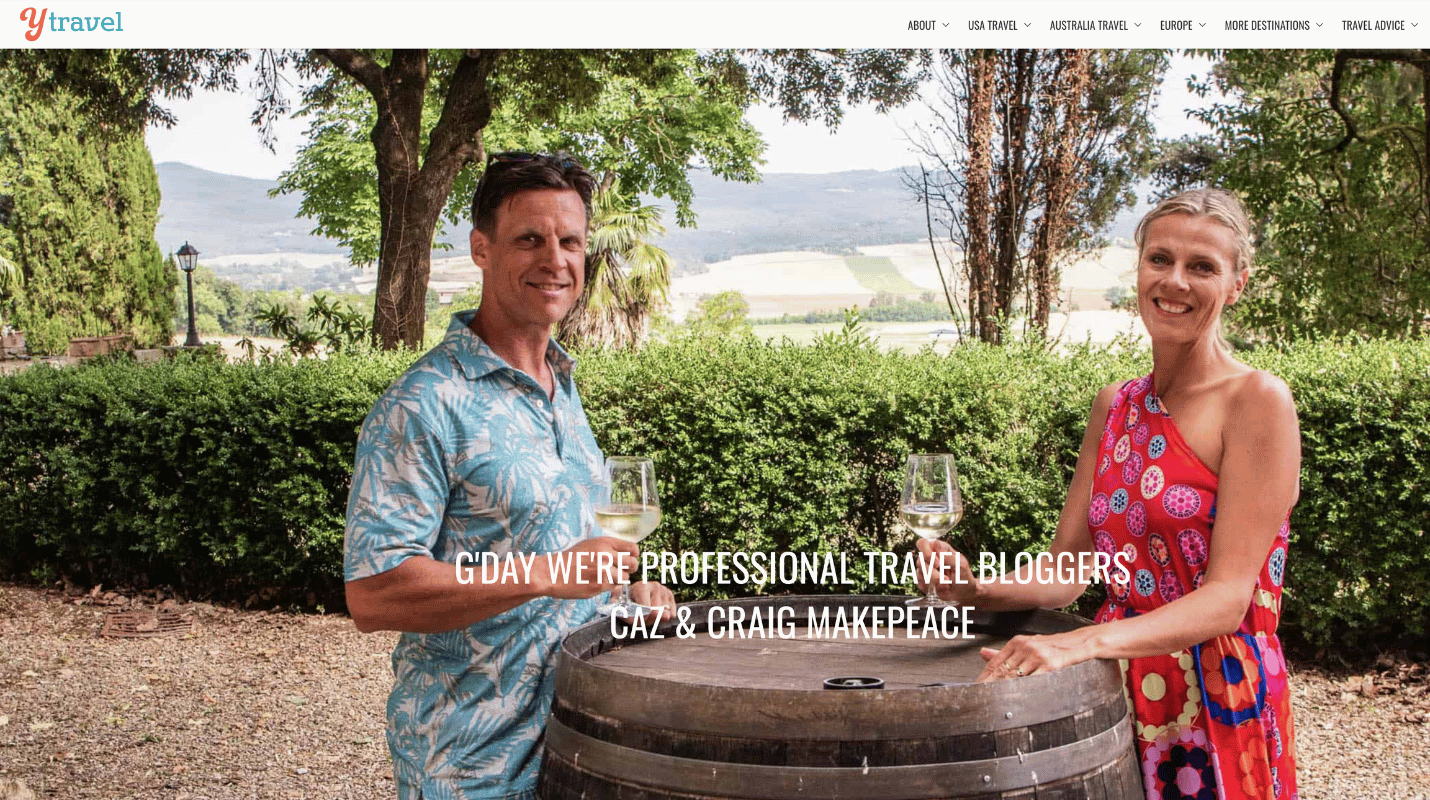
1: Include Great Photos, like Caz and Craig from YTravel
Certain content categories practically demand strong visual elements to succeed. Travel blogging is a prime example, alongside related niches such as culinary arts, handicraft tutorials, and fashion commentary. For Caz and Craig, the creative minds behind YTravel, visual storytelling serves as a cornerstone of their digital identity.
Rather than relying solely on generic landscapes or stock photography, they populate their platform with vibrant, candid imagery of their family experiencing the world together. Whether featuring spontaneous snapshots from family transit guides or slightly more composed portraits from international relocation updates, the photography feels grounded and authentic.
This visual approach teaches digital publishers that imagery can do double duty. Beyond merely illustrating a physical location or a tactical concept, photographs featuring the creators or their immediate environment humanize the brand, transforming distant observers into invested participants in an ongoing personal journey.
2: Add Some Flair, like Pat Flynn from Smart Passive Income
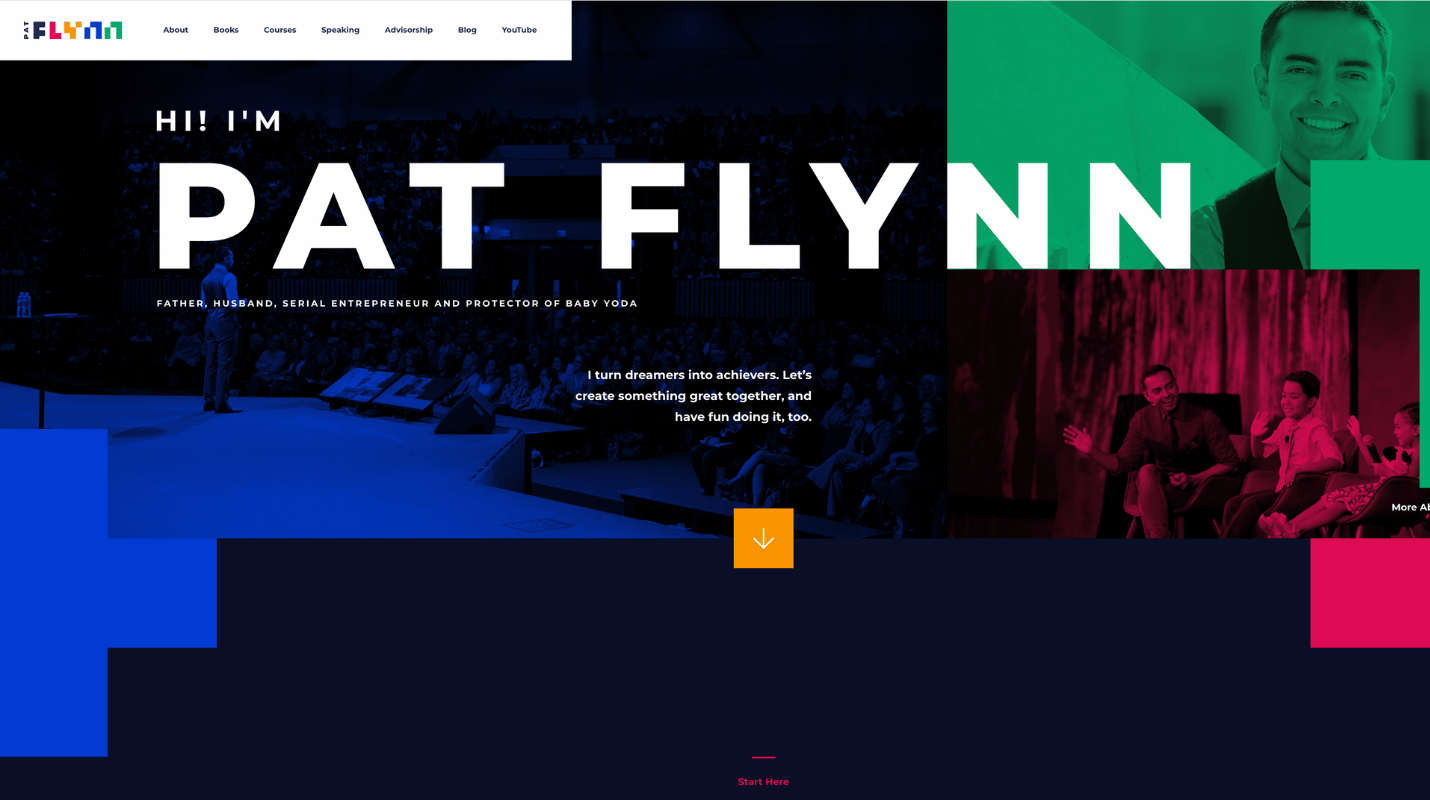
First impressions matter significantly in the digital landscape, and establishing an immediate sense of identity can prevent visitors from bouncing away within seconds. Pat Flynn, the creator behind Smart Passive Income, exemplifies this approach by greeting visitors with bold typography displaying his name, accompanied by imagery that immediately defines his multifaceted roles as a father, husband, and serial entrepreneur.
Beyond professional descriptors, Flynn infuses his digital real estate with self-aware humor, including lighthearted nods to popular culture such as referencing his status as a protector of fictional characters. This blend of professional transparency and casual wit creates a welcoming atmosphere.
For online publishers, this strategy demonstrates that professional authority does not require a sterile or overly formal presentation. Injecting personal quirks and lighthearted humor into prominent sections of a platform can make a brand more relatable and memorable to first-time visitors.
3: Develop a Strong, Identifiable Tone, like Shannon Kelly White
Communication style remains one of the most direct avenues for establishing digital identity, though certain stylistic choices carry inherent risks. The use of salty or unfiltered language, for instance, tends to strongly polarize audiences. While some readers find unvarnished candor refreshing and central to a brand’s appeal, others may find it off-putting and choose not to return.
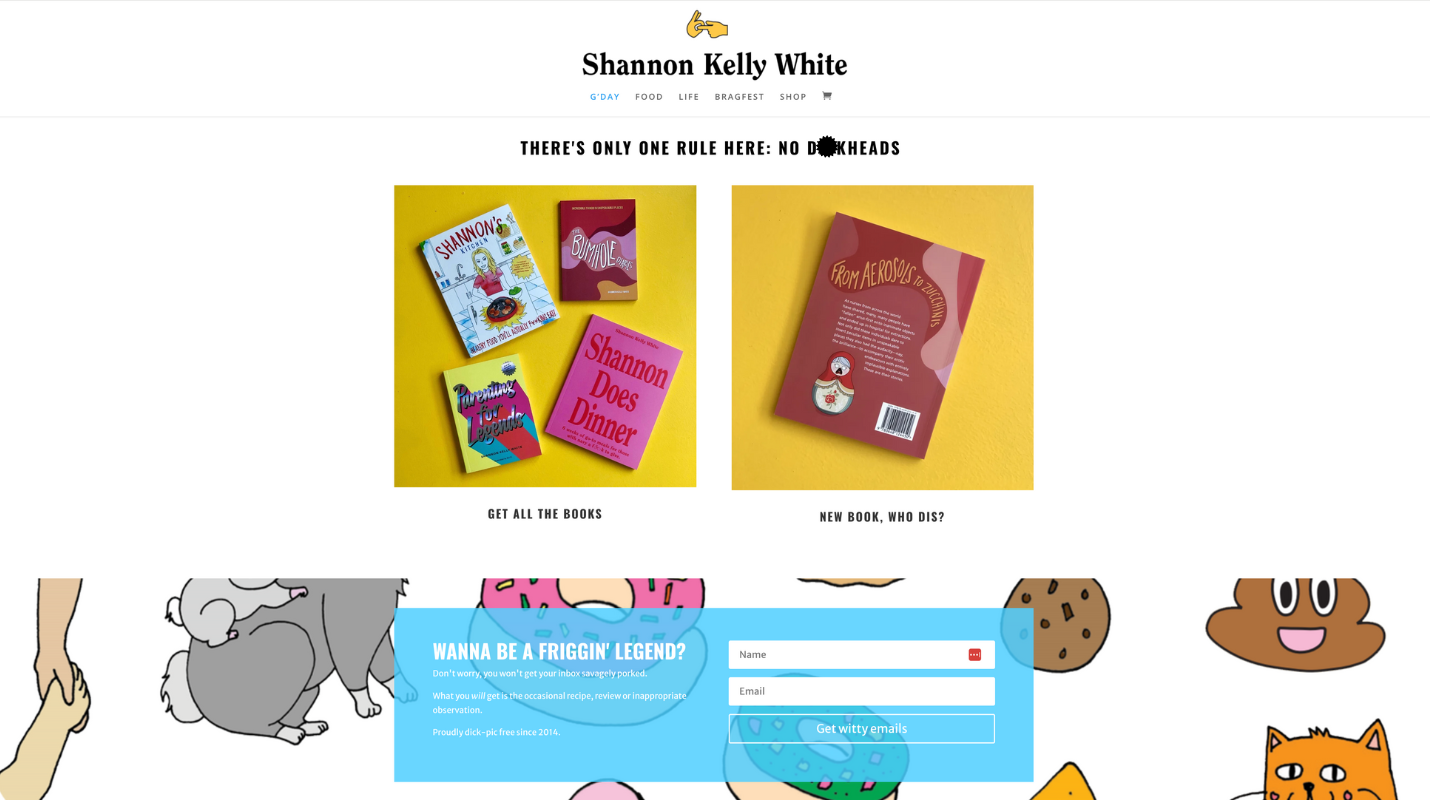
Shannon Kelly White embraces this dynamic fully, incorporating frequent and enthusiastic profanity directly into her platform’s content, navigation menus, and taglines. By refusing to water down her natural voice to appease a broader, more sanitized demographic, she cultivates a fiercely loyal readership that appreciates her authenticity.
The underlying lesson for content creators involves the power of conviction. Adopting a distinct, unapologetic tone may alienate casual browsers, but it simultaneously attracts deeply aligned community members who resonate with the creator’s genuine perspective.
4: Get Custom Illustrations, like Ramsey from Blog Tyrant
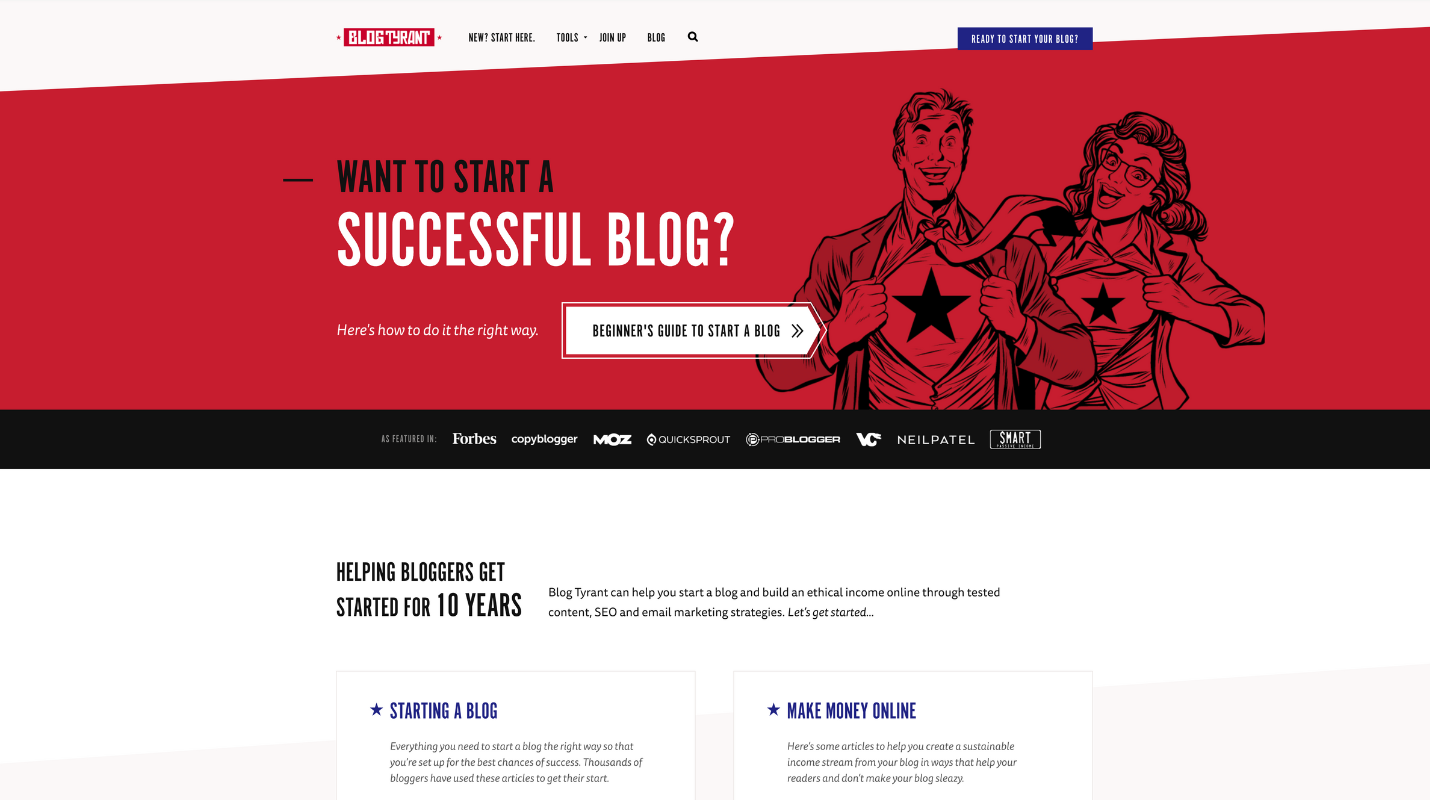
Visual branding extends far beyond photography, encompassing commissioned artwork and custom graphic elements that establish a proprietary aesthetic. Ramsey, the creator behind Blog Tyrant, implements this strategy through a signature superhero avatar dressed in a distinct red shirt.
This character illustration serves as a visual anchor, appearing prominently in the primary banner of the homepage, serving as the header image for numerous articles, and featuring prominently on the cover of promotional lead magnets. The consistent use of this custom artwork creates a unified visual ecosystem across all properties associated with the brand.
This approach highlights the value of proprietary visual assets. Unlike standard stock images that can appear on countless unrelated websites, custom illustrations or mascot characters provide an exclusive, ownable identity that reinforces brand recall among returning visitors.
5: Focus on Your About Page, like Elsie and Emma from A Beautiful Mess
New visitors rarely arrive exclusively through a website’s homepage; instead, they frequently land on individual blog posts via search engines or social media links. When a piece of content resonates, curious readers naturally seek out the human behind the keyboard by navigating to the primary biographical section.
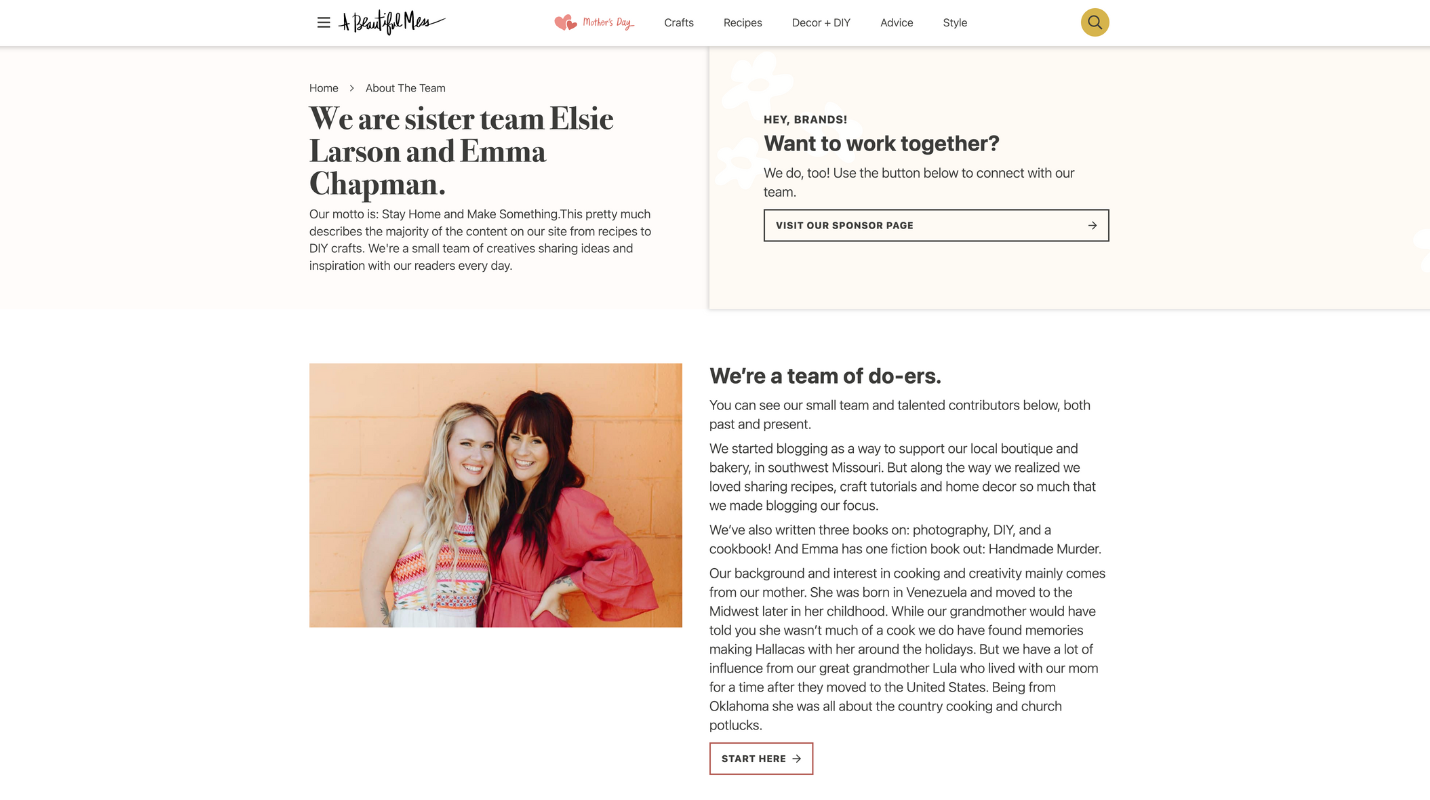
Elsie and Emma, the sisters behind A Beautiful Mess, treat this foundational page as a critical conversion opportunity rather than an afterthought. They utilize bright, energetic photography paired with concise, engaging biographical summaries to give newcomers an immediate sense of who they are and what drives their creative output.
This strategy emphasizes that biographical sections function as primary touchpoints for audience retention. Ensuring these pages are welcoming, visually appealing, and succinct helps convert casual article readers into long-term subscribers who feel a personal connection to the creators.
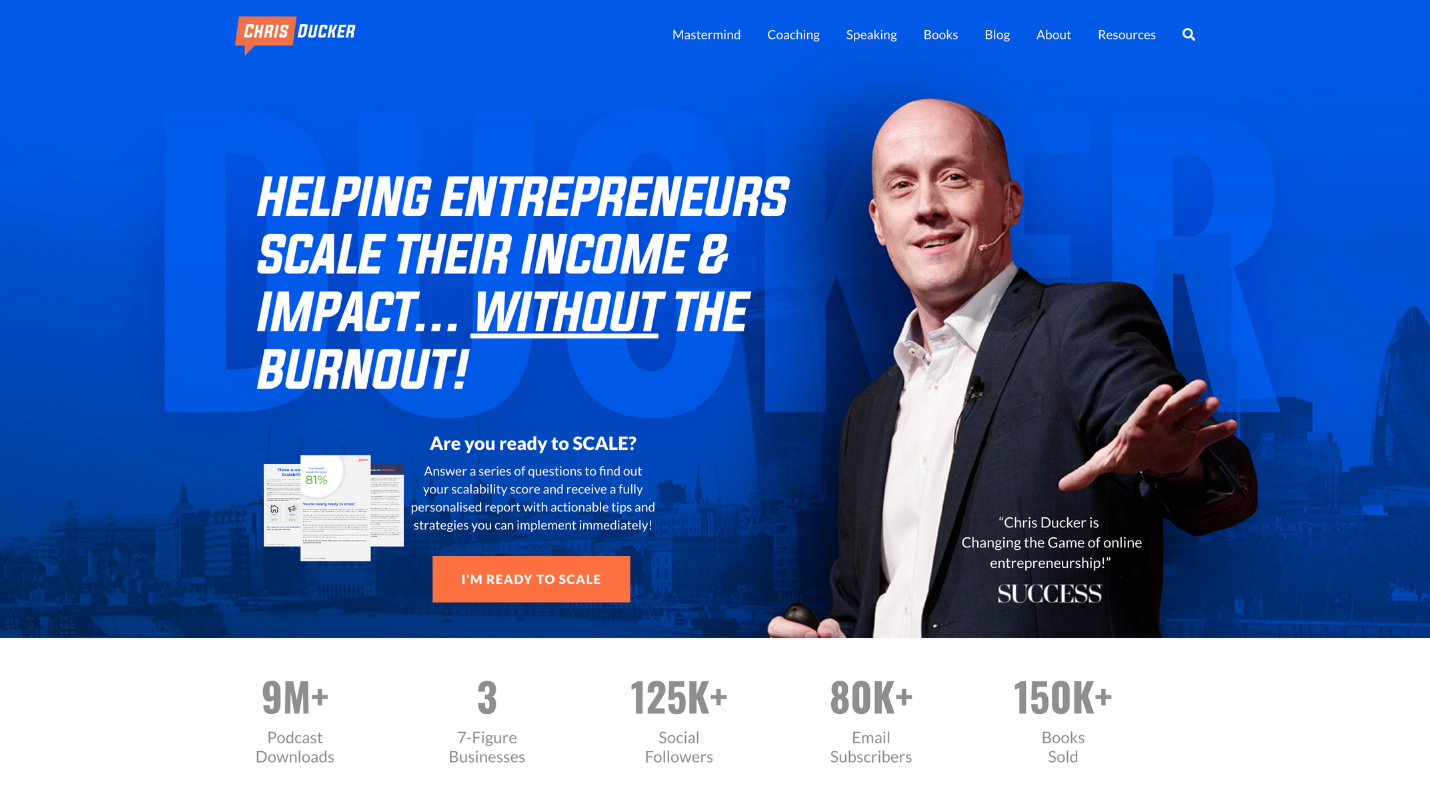
6: Be Consistent With Your Branding Across Platforms, like Chris Ducker
Digital creators rarely operate within the confines of a single website; their presence typically spans multiple social media ecosystems, podcast directories, and external publications. Maintaining a fragmented visual identity across these disparate channels can dilute brand recognition and confuse potential followers.
Chris Ducker addresses this challenge by maintaining strict visual continuity across his digital footprint. The same approachable, smiling headshot appears consistently across his blog post headers, biographical pages, Twitter profiles, Facebook communities, and professional networking accounts.
The core principle demonstrated here is the importance of cohesive identity management. When an audience encounters the same visual markers across multiple platforms, cognitive friction is reduced, accelerating trust and solidifying brand recognition in a crowded digital marketplace.
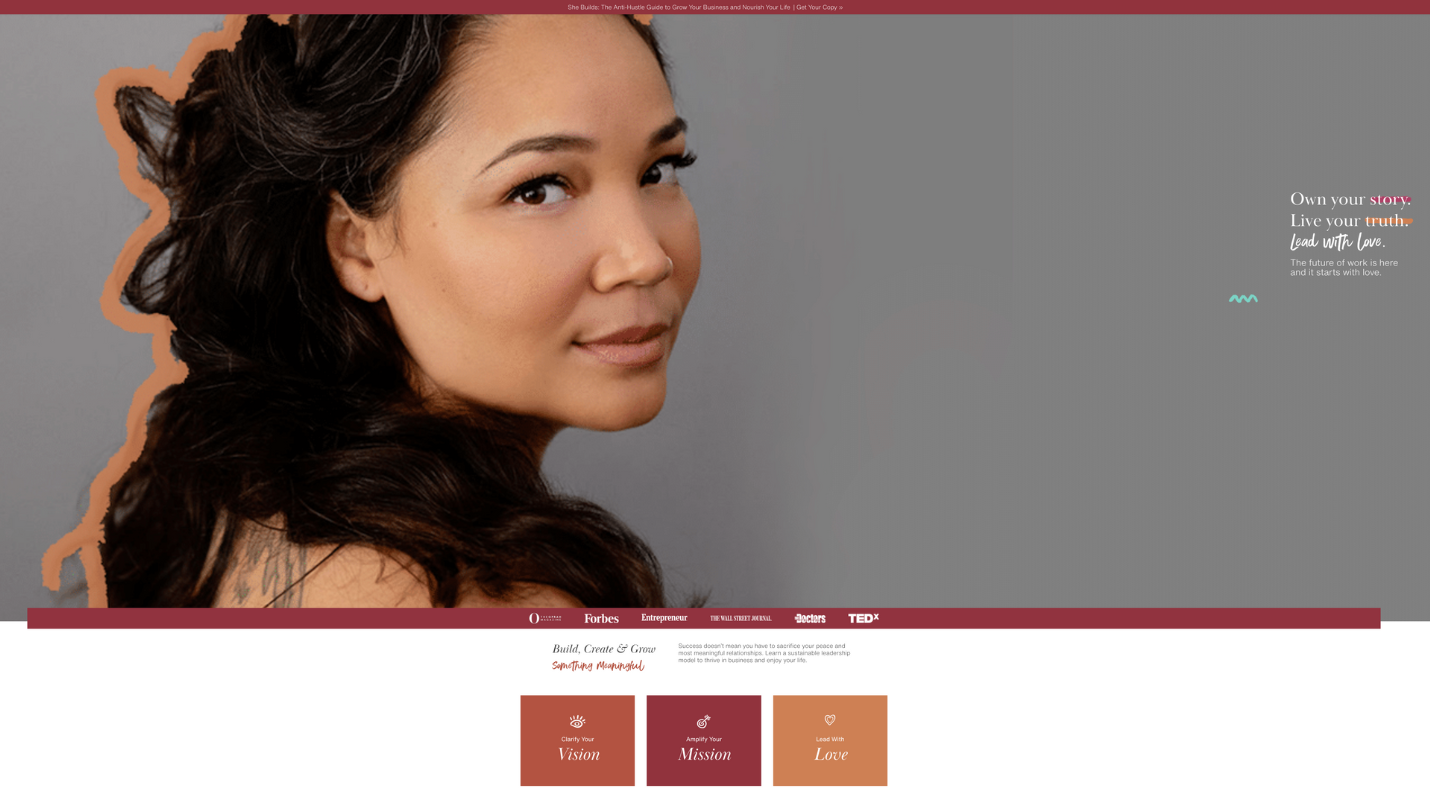
7: Use Color to Boost Your Brand, like Jadah Sellner
Visual harmony involves more than just logos and photography; color theory plays a vital role in setting the emotional tone of a digital space. Upon arriving at Jadah Sellner’s website, visitors are immediately greeted by a carefully curated color palette that evokes warmth and accessibility.
Notably, the visual styling extends to Sellner’s personal presentation within her imagery, where the tones of her wardrobe complement the broader color scheme of the site. This seamless integration creates an aesthetic environment that feels intentional, cohesive, and visually calming, resembling a thoughtfully arranged editorial layout.
For digital publishers, this level of attention to chromatic detail demonstrates how environmental design can elevate a brand. Aligning visual elements with personal presentation helps create an immersive experience that feels unified and professional from the moment a user arrives.
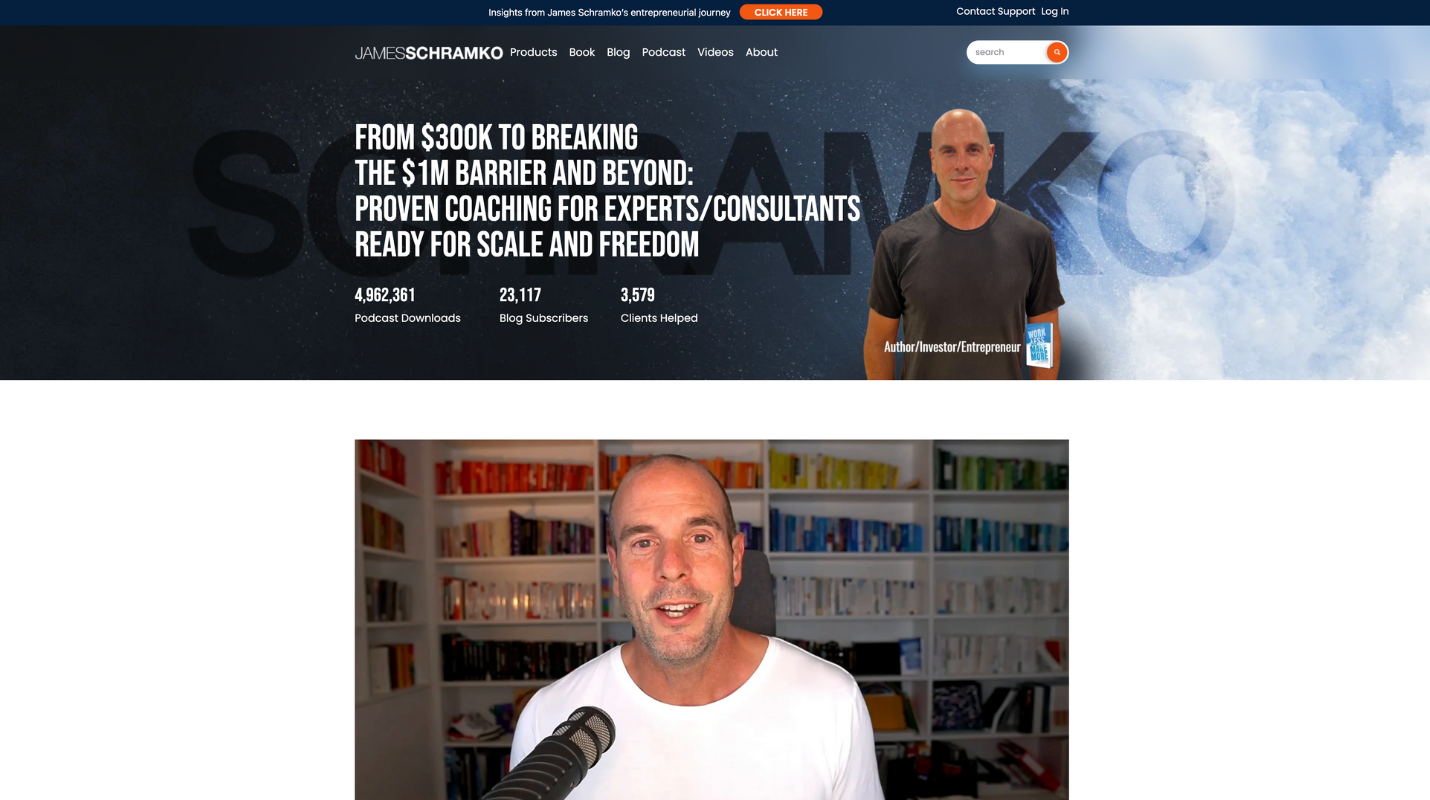
8: Use a Brand Statement in Your Content, like James Schramko from SuperFastBusiness
Clarity regarding a platform’s purpose and target audience is essential for retaining attention in an era of information overload. James Schramko, the founder of SuperFastBusiness, utilizes a prominent brand statement positioned at the very top of his site to explicitly outline his business coaching services and the specific demographic he serves.
This direct approach eliminates ambiguity. Within seconds of landing on the page, visitors understand the exact nature of the offering and whether they fall into the intended audience category, ensuring that incoming traffic is qualified and aligned with the creator’s commercial objectives.
This technique underscores the necessity of immediate positioning. Crafting concise, direct declarations regarding a platform’s utility ensures that potential clients or dedicated readers recognize the value proposition instantly without needing to hunt through ambiguous menus or lengthy introductory paragraphs.
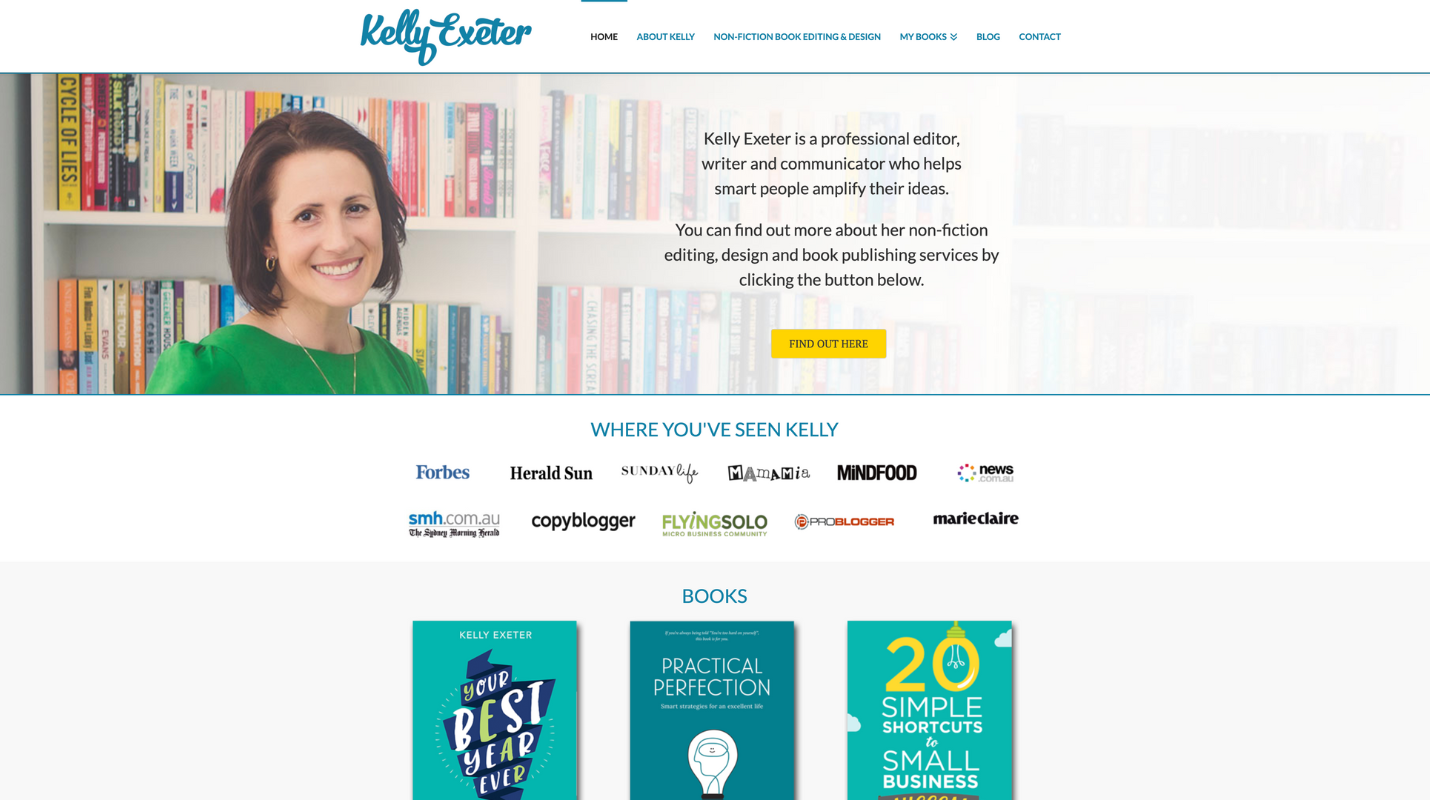
9: Have a Tagline and Call to Action That Cuts Straight to the Chase, like Kelly Exeter
Effective digital communication often relies on minimizing friction between a user discovering a resource and taking the next step in their journey. Content creators frequently hinder their own growth by implementing overly complex onboarding sequences or cumbersome multi-step subscription funnels that exhaust reader enthusiasm.
Kelly Exeter demonstrates a streamlined alternative by utilizing clear, formulaic taglines that instantly identify her target demographic, her professional focus, and the specific solutions she provides. Furthermore, her calls to action bypass complicated multi-tiered automation sequences, encouraging visitors instead to click directly through to discover how the platform can assist them.
This straightforward methodology reminds creators that clarity and simplicity often outperform complex marketing funnels. Guiding interested readers toward immediate, friction-free engagement helps maintain momentum and reduces drop-off rates during the initial interaction phase.
10: Personalize Your Reader by Defining Them, like Emily at Puttylike
Audience engagement reaches a deeper level when creators provide frameworks that help their followers understand their own identities. Emily, the creator behind Puttylike, popularized the term "Multipotentialite" to describe individuals with diverse interests and professional pursuits, subsequently building a thriving community around this shared concept.
A central component of this strategy involves leveraging interactive elements, such as a prominent homepage quiz designed to help visitors determine whether they fit the defined personality type. This mechanism transforms passive browsers into active participants while simultaneously serving as an effective lead generation tool for ongoing engagement.
This approach illustrates the power of community architecture. By helping readers define their own traits and challenges through a specialized vocabulary, creators can foster deep loyalty and transform casual visitors into core members of a dedicated digital ecosystem.