By Sean Tinney | September 25, 2026
In the digital marketing landscape, the journey from creation to audience acquisition often involves a fragmented series of administrative steps. Creators and businesses spend considerable time designing landing pages, only to navigate a cumbersome maze of copying links, switching between applications, and manually formatting posts for various social media platforms. Addressing this friction, a new software update aims to bridge the gap between launching a campaign and actually driving traffic, ensuring that audience growth begins the exact moment a page goes live.
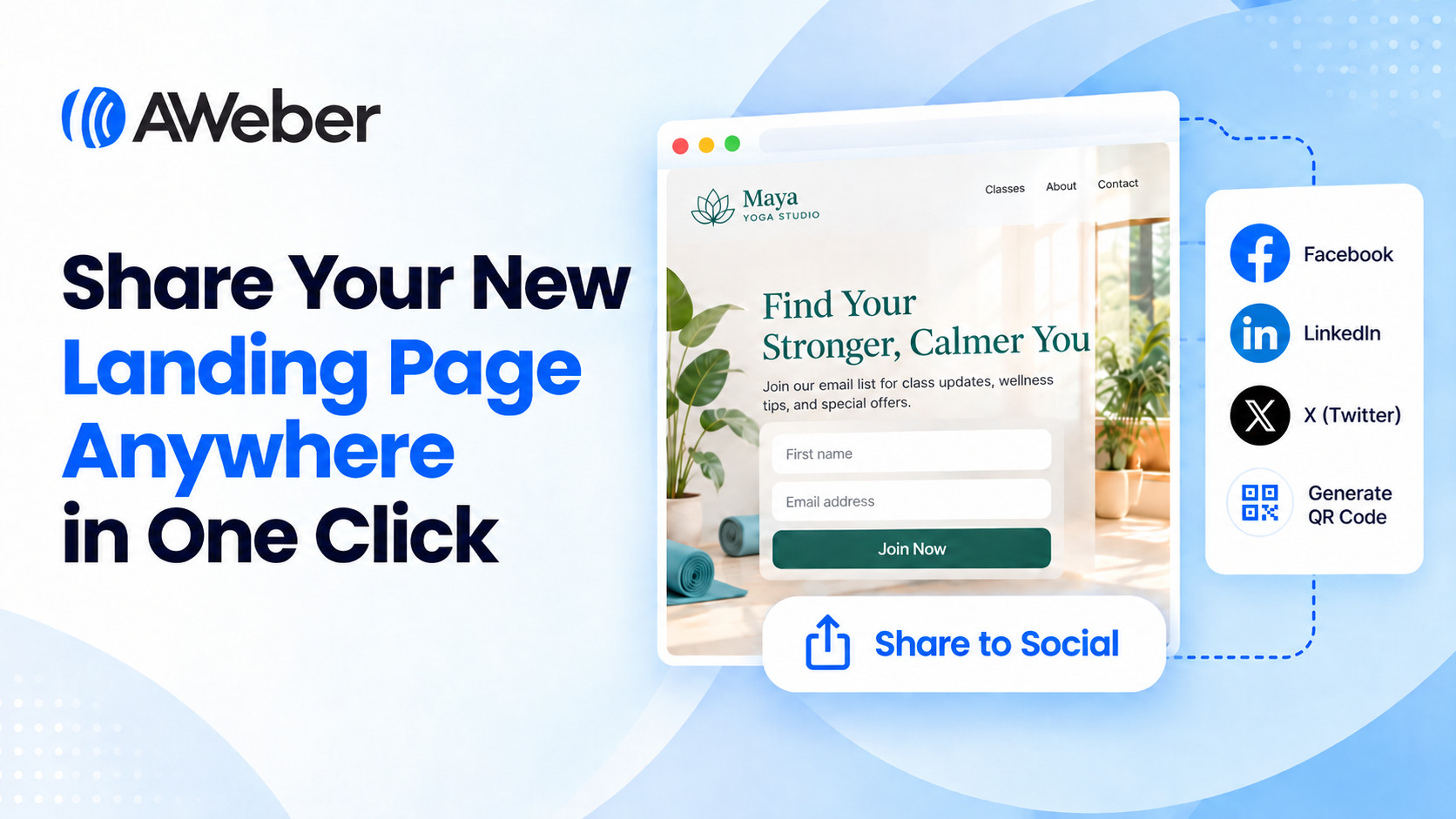
Announced in a recent platform update, the new feature set is designed to eliminate the operational lag that typically occurs after a landing page is published. According to the announcement, a landing page cannot effectively grow a subscriber list until it gains visibility, and the updated publishing interface seeks to make that visibility instantaneous. Rather than requiring users to manually exit the publishing screen, copy URLs, and log into separate social media dashboards, the system now integrates direct distribution tools straight into the final confirmation screen.
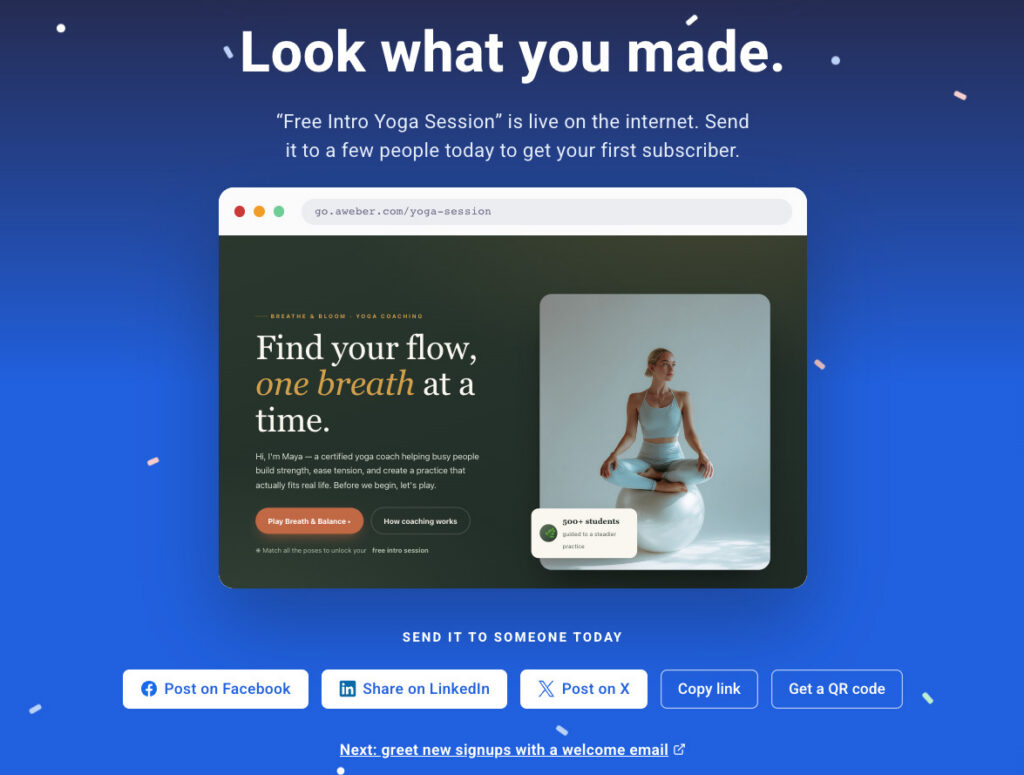
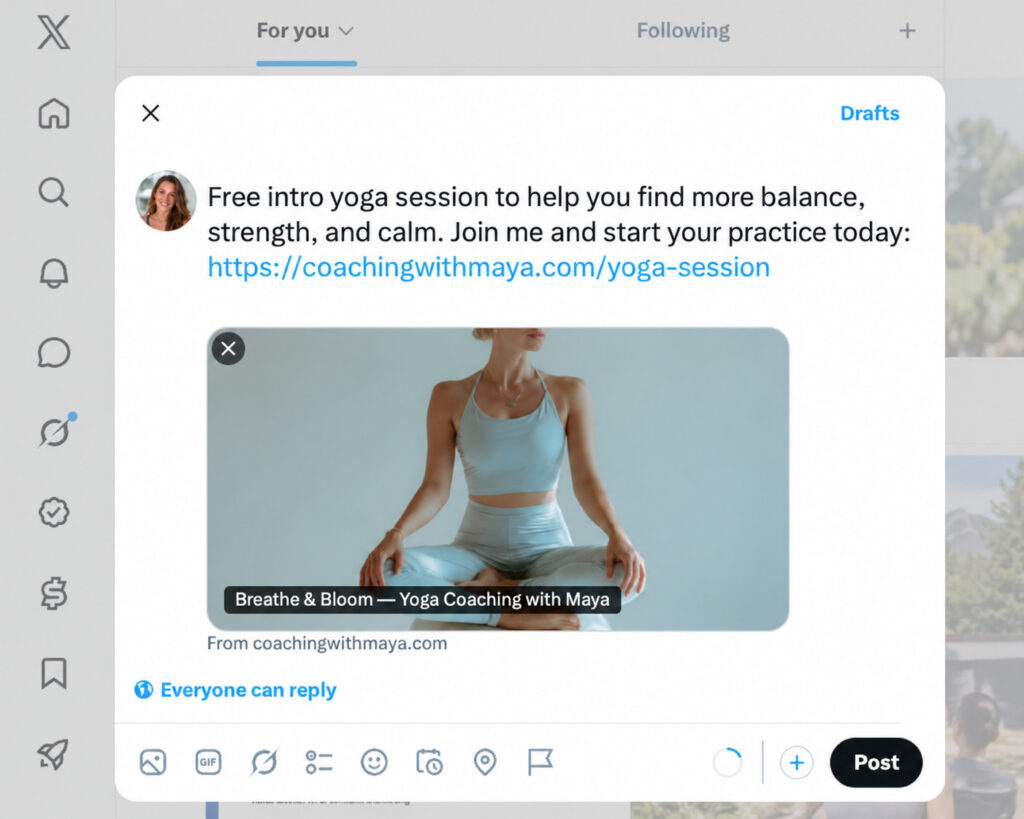
The core mechanics of the update revolve around reducing friction in multi-channel marketing. When a user finalizes a landing page and hits the publish button, they are immediately presented with options to broadcast their new content across major social networks, including Facebook, LinkedIn, and X. With a single click on any of these platform icons, a pre-populated post window opens, complete with the page already attached.
This integration goes beyond simple text hyperlinks. The system automatically pulls in the page image and title to generate a rich preview, allowing prospective visitors to clearly see the value of the offer before they decide to click. Creators simply need to add a brief introductory sentence regarding their specific offer and authorize the post. Furthermore, the publishing dashboard remains active until explicitly closed by the user. This persistent interface allows marketers to sequence their promotion effortlessly, posting to one network, moving immediately to the next, and achieving comprehensive channel coverage within a matter of seconds.
While digital distribution remains a primary focus, the update also recognizes the enduring power of physical, in-person marketing and print media. Recognizing that creators frequently interact with their audiences outside the digital sphere—at conferences, in retail storefronts, or through printed collateral—the platform has introduced an integrated high-resolution QR code generator.
By selecting the dedicated QR code option within the publish dashboard, users can instantly download a high-resolution PNG file containing a unique scannable code linked directly to their landing page. This addition allows marketers to bridge the physical and digital divides seamlessly. Whether placed on business cards, product packaging, event flyers, or presentation slides, the QR code offers an immediate bridge for offline audiences to connect with online campaigns, ensuring that anyone who scans the code arrives precisely at the intended destination without having to type out long URLs manually.
For situations requiring traditional text-based distribution, the platform has likewise streamlined the process. A dedicated link-copying mechanism allows users to grab the exact URL with a single click. This clean link can then be deployed across alternative digital touchpoints, such as professional profile biographies, direct messages, text conversations, or personalized email signatures. By keeping the URL readily accessible, creators ensure that their campaign remains perpetually within arm’s reach wherever their audience happens to discover them.
However, capturing a visitor’s attention is only the first phase of community building; the subsequent engagement is equally critical for long-term retention. To address the post-signup experience, the platform has incorporated a direct pathway to automated communication tools directly from the publishing interface. Positioned immediately beneath the sharing and distribution buttons, a single click now opens the system’s workflow management environment in a new browser tab.
This architectural shortcut enables creators to establish or refine a welcome email sequence without losing their operational momentum. By connecting the landing page directly to an automated greeting, publishers can ensure that every new subscriber who arrives via social media posts, direct links, or printed QR codes receives an immediate, automated response. This prompt acknowledgment helps solidify the connection between the brand and the new subscriber right at the moment of peak interest, fostering engagement before the momentum of the initial interaction fades.
The overarching philosophy behind the update is to bake distribution and automation into the foundational workflow of page creation rather than treating them as separate, downstream tasks. Because sharing capabilities are now embedded natively into every publishing event, there is no auxiliary configuration required by the user. Creators can leverage modern design tools, such as automated page generators, to build their content, transition immediately to the publish phase, and instantly orchestrate their multi-channel promotional rollout.

As digital marketers continue to seek efficiencies in an increasingly crowded online ecosystem, updates that remove operational friction between creation and distribution represent a significant shift in how online campaigns are managed. By consolidating social broadcasting, print-ready asset generation, link management, and workflow automation into a single, cohesive publishing screen, the platform provides a streamlined environment designed to maximize visibility and subscriber acquisition from the very second a page goes live.