For small business owners and digital marketers alike, the landing page remains a cornerstone of online strategy. According to recent research from email marketing platform AWeber, more than 90 percent of small business owners who utilize landing pages consider them either important or very important to their overall marketing initiatives. Yet, the persistent challenge for these enterprises is not a question of whether to deploy landing pages, but rather determining which specific format to use and when to deploy it to maximize visitor engagement and conversion rates.
At its core, a landing page is a standalone web page engineered with a singular objective: compelling visitors to take one specific action. Absent of standard website navigation and external distractions, these pages present a solitary proposition. However, the precise structural composition of a landing page depends entirely on the nature of that proposition. A digital environment designed to harvest email addresses requires an architecture vastly different from one intended to merchandise a physical product. Similarly, a page created to drive webinar registrations demands distinct functional elements compared to an announcement for a pre-launch product. Selecting the incorrect template remains one of the primary drivers of underperforming marketing campaigns.
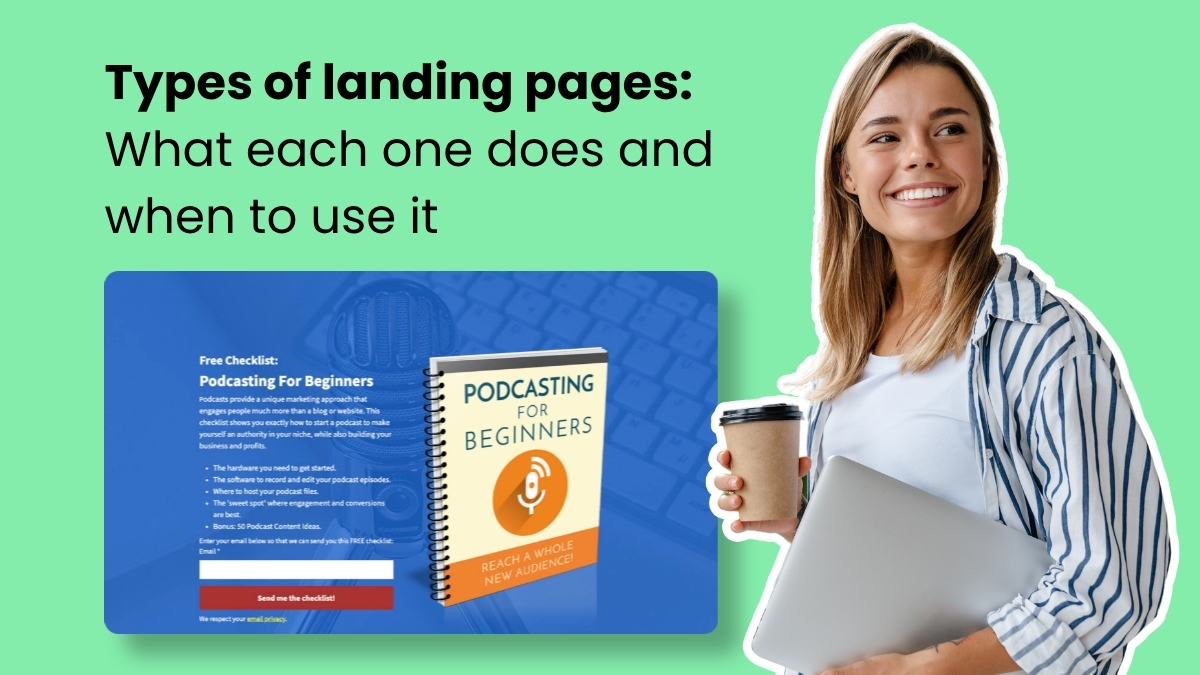
Understanding the Core Varieties of Landing Pages
Marketers deploy a wide array of specialized landing page formats, each tailored to a specific audience journey and campaign objective.
Webinar registration pages, for instance, focus on promoting upcoming live or recorded events and capturing participant details. The most effective examples in this category prioritize the expected attendee outcome over the presenter’s personal credentials. By addressing the fundamental visitor question of what value the session delivers, these pages secure higher conversion rates than those centered strictly on speaker biographies.

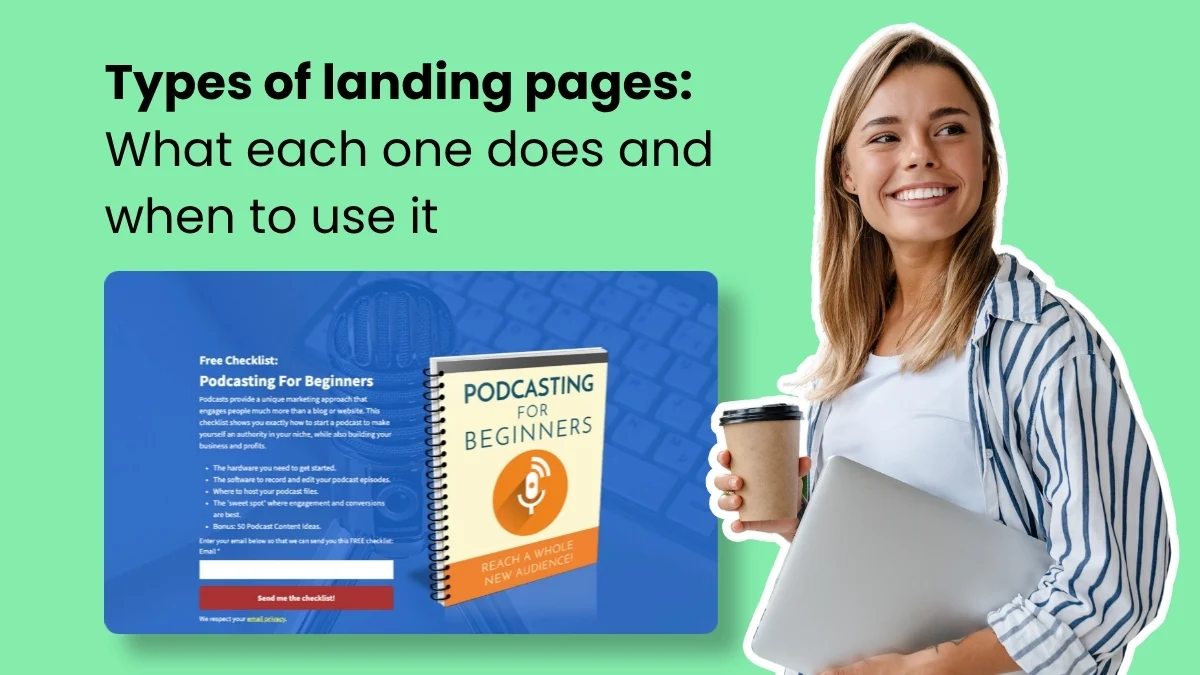
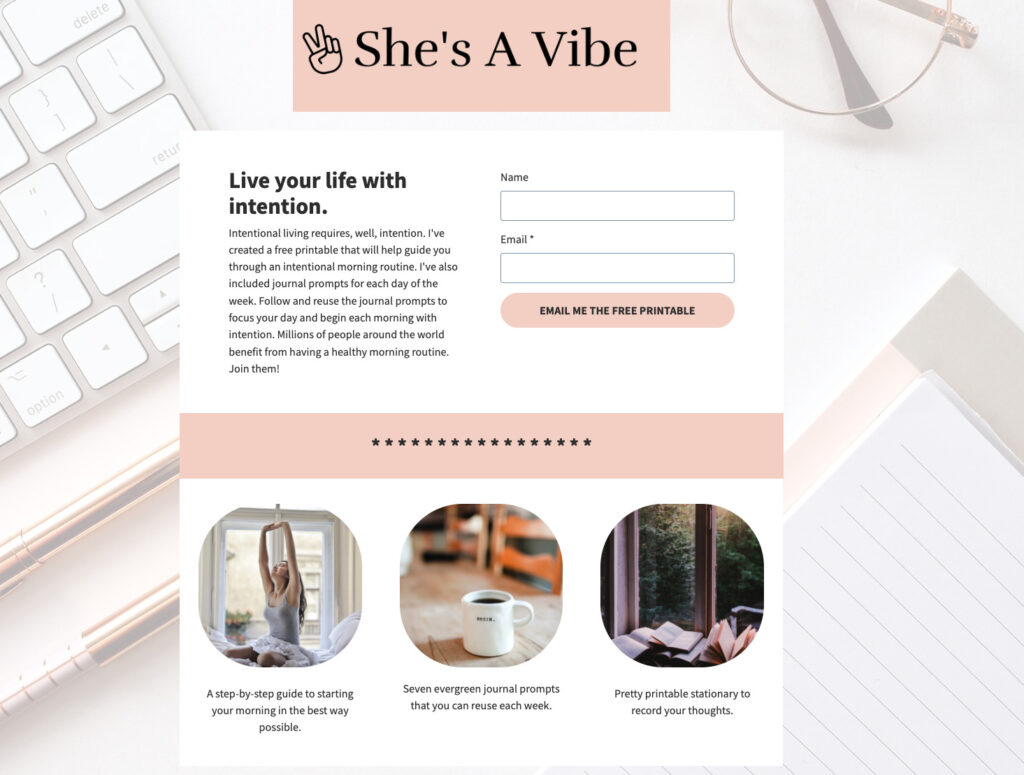
Closely related are ebook and lead magnet landing pages. Ebook pages serve as dedicated destinations where users can learn about electronic publications and either purchase them or download them as digital assets. Many modern entrepreneurs leverage these digital products to bypass traditional publishing avenues, simultaneously employing ebooks as lead magnets to expand their subscriber databases. Lead magnet pages generally rely on the immediate utility of the offered resource—ranging from templates and checklists to free courses and toolkits—to justify the exchange for a visitor’s contact information.
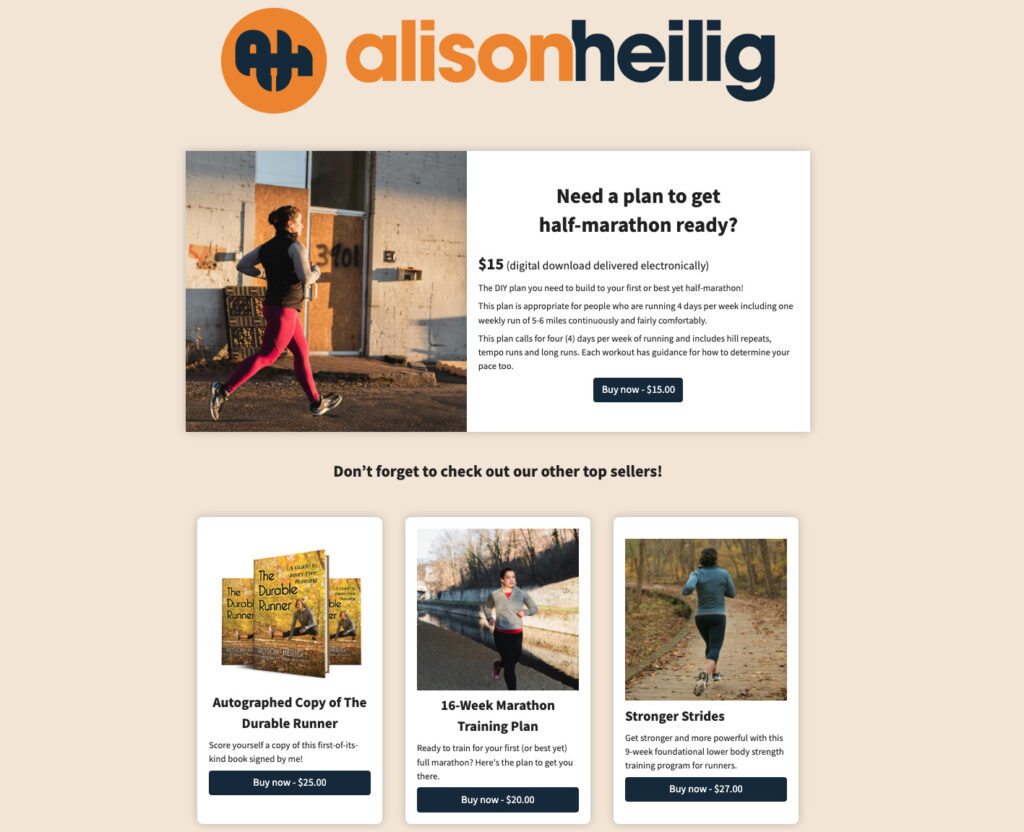
For direct retail operations, ecommerce landing pages target specific products or campaign categories. Unlike sprawling online storefronts that offer customers an abundance of choices and subsequently suffer from decision fatigue, dedicated ecommerce landing pages focus entirely on a single product, a single offer, and a single action. Paid advertising campaigns directing traffic to these focused destinations routinely outperform those pointing users toward generic homepages or broad catalog pages.

Specialized Formats for Targeted Traffic and Engagement
As digital marketing strategies mature, brands increasingly rely on specialized formats designed for specific traffic sources and engagement models.
Squeeze pages represent the most minimalist approach to lead capture. Devoid of lengthy descriptive text or extensive benefit lists, these stripped-down pages typically feature only a headline, a brief explanatory sentence, a single email input field, and a call-to-action button. By removing friction and decision fatigue, squeeze pages excel at maintaining a low cost per lead when deployed alongside paid traffic acquisition campaigns.
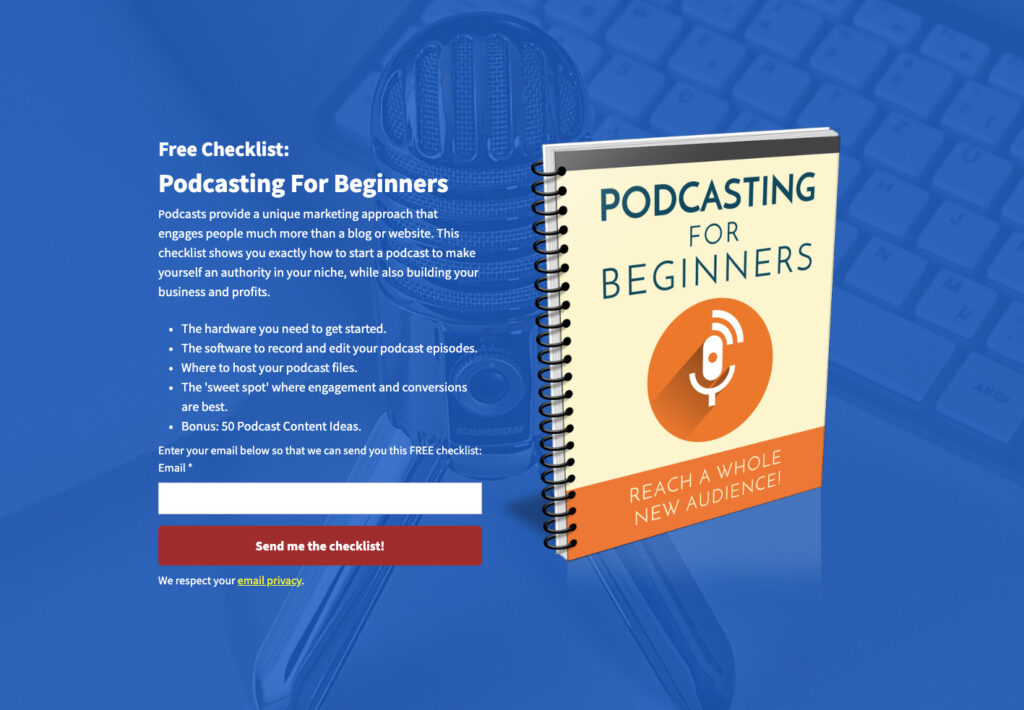
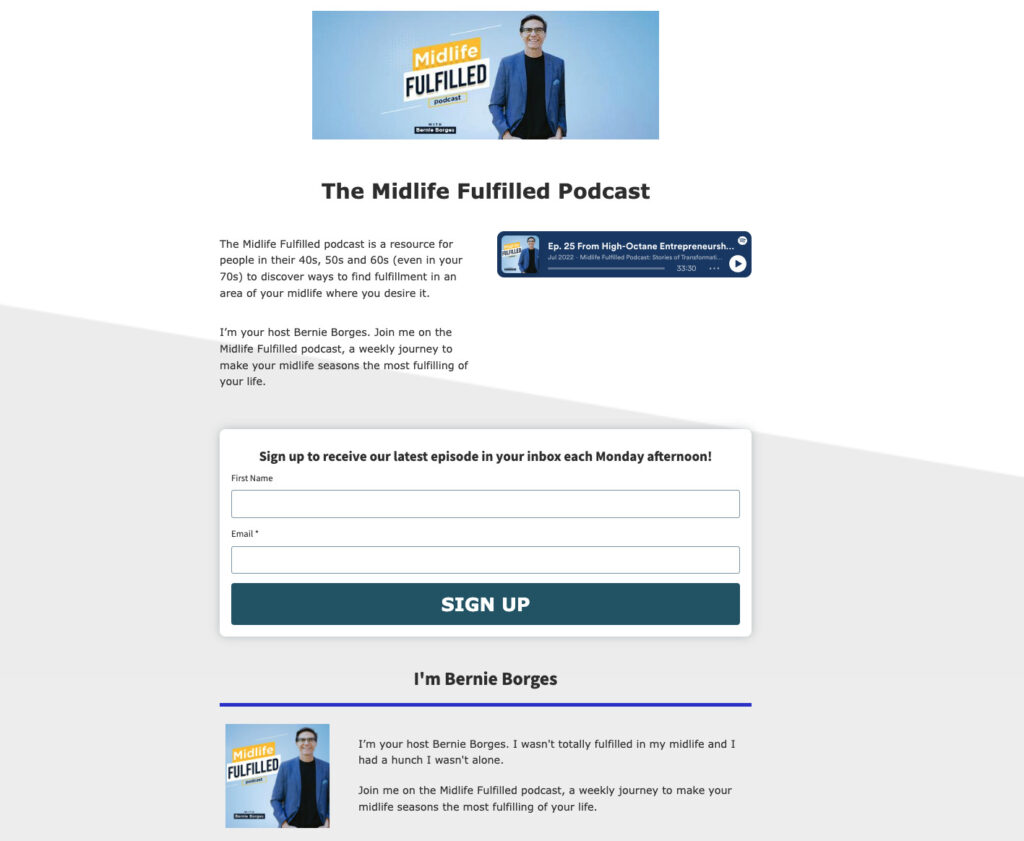
Similarly, podcast landing pages address the unique distribution challenges faced by audio creators. Because major streaming platforms control audience visibility, creators often lack a direct relationship with their listeners. Podcast landing pages bridge this gap by encouraging listeners to subscribe to an email list for episode updates and bonus content, ensuring creators maintain a direct line of communication independent of third-party algorithms.
Pay-per-click, or PPC, landing pages emphasize absolute message match. Designed specifically to receive traffic from paid search advertising, these pages mirror the exact keywords and messaging of the ad that prompted the click. This alignment not only satisfies user intent and drives conversions but also positively impacts search engine quality scores, potentially lowering overall advertising costs.
Further down the conversion funnel, thank you pages capture users at the peak of their engagement—immediately after they have completed a form submission, download, or purchase. Rather than serving as a simple dead-end confirmation, optimized thank you pages capitalize on existing user momentum by presenting upsells, related resources, or secondary calls to action.
Leveraging Emerging Technologies and Campaign Objectives
Beyond traditional lead generation, modern digital strategies encompass video-centric designs, social media integration, and product validation models.
Video landing pages place moving imagery at the center of the user experience, utilizing product demonstrations, explainer clips, or testimonial reels to convey core messaging. Because visual storytelling frequently dismantles buyer hesitation faster than written copy, these pages prove particularly effective for complex, high-ticket, or personality-driven offers.
For brands active on social media platforms that restrict outbound links, link-in-bio landing pages resolve navigational constraints. By functioning as a centralized hub, these pages allow creators and businesses to direct social followers to multiple destinations, including newsletters, product pages, and booking calendars, from a single URL.
Pre-launch landing pages serve a dual purpose for businesses preparing to introduce new offerings. Beyond building an initial audience of interested prospects ahead of a product’s official release, these pages provide early empirical validation of market demand before substantial capital is committed to development. Similarly, Facebook-optimized landing pages act as a critical bridge for enterprises seeking to convert rented social media visibility into owned email subscriber assets.
Ultimately, aligning the landing page format directly with the primary campaign objective remains the definitive factor in digital marketing success. Whether deploying a straightforward lead capture page, a click-through page designed to warm up cold traffic, or a dedicated registration format for an upcoming event, maintaining absolute focus on a single goal prevents the conversion drop-offs commonly associated with overly complex web designs. As digital marketing tools continue to evolve—including the anticipated integration of artificial intelligence capabilities designed to streamline page creation and asset replication—the foundational principle of the landing page remains unchanged: one page, one offer, and one clear action.