The digital marketing landscape is undergoing a significant wave of transformation, marked by major platform updates, shifting algorithms, and new artificial intelligence tools designed to change how creators, brands, and enterprises operate online. From Meta’s structural push into enterprise AI and dedicated community apps to LinkedIn’s evolving stance on AI content and Reddit’s upcoming data access restrictions, professionals across the industry are facing a rapidly changing ecosystem.
These developments, highlighted during recent industry discussions and platform rollouts, emphasize the delicate balance between leveraging automation and maintaining the human authenticity that drives real engagement and sales.
Refining Ad Strategies and Mining Customer Insights
Marketers continually search for fresh angles to keep ad campaigns performing, particularly on platforms like Facebook where creative fatigue sets in quickly. Industry experts suggest that the most effective way to overcome this challenge is to move away from guesswork and look directly at customer language. By conducting structured customer surveys, brands can mine responses for the exact pain points, underlying motivations, and phrasing used by their audience. These insights can then be translated directly into fresh ad hooks, targeted avatars, and compelling desires to test.
When standard survey insights are exhausted, professionals recommend turning to community discussions on platforms like Reddit. By searching for specific pain points, benefits, or buyer personas within Reddit threads, marketers can uncover raw, relatable scenarios and honest before-and-after states in the consumers’ own words. These organic conversations provide ready-made concepts for authentic ad scripts. However, marketers utilizing Reddit for research must prepare for upcoming shifts, as the platform prepares to restrict data access through scheduled RSS and public API shutdowns.

Navigating LinkedIn’s AI and Engagement Shifts
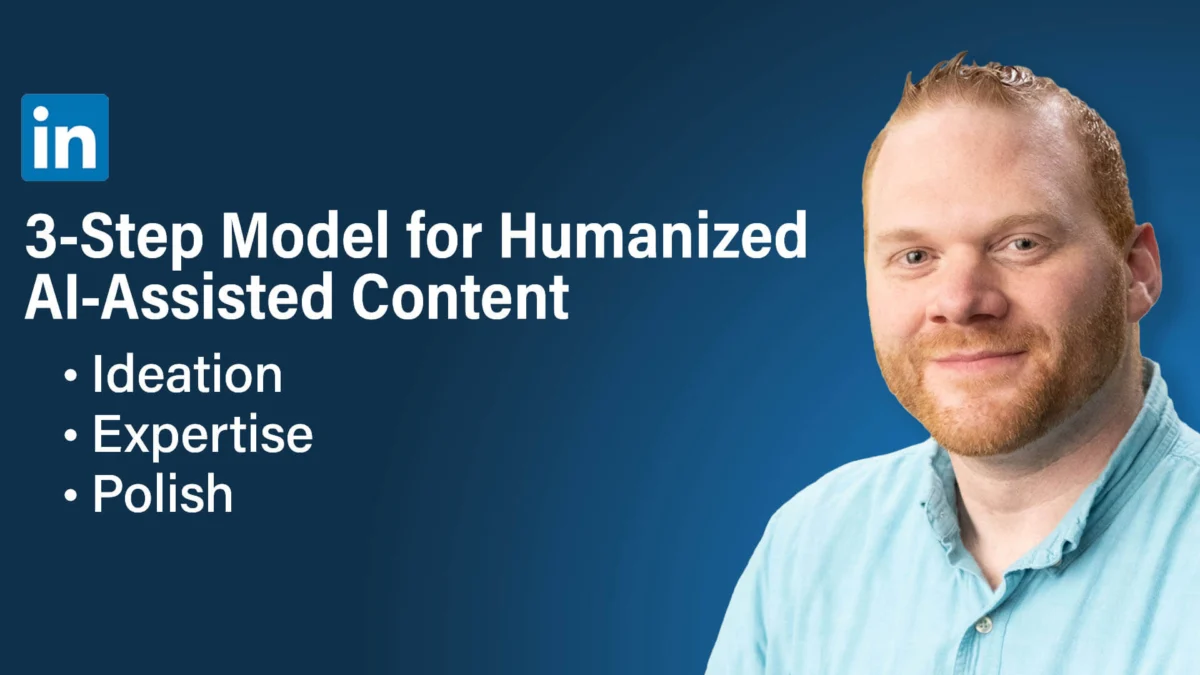
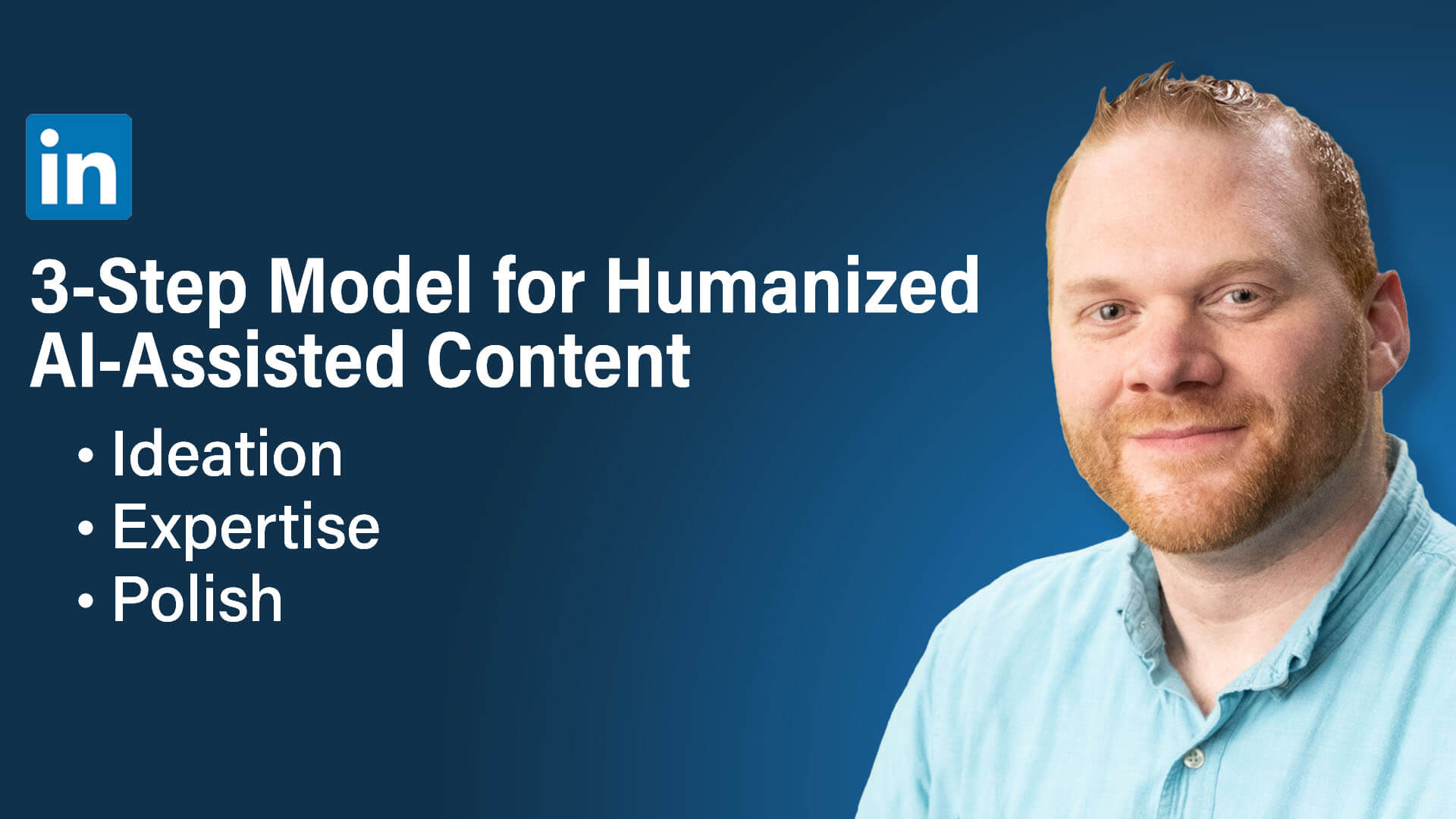
LinkedIn is currently navigating a dual challenge: cracking down on low-quality AI-generated content while simultaneously rolling out new artificial intelligence tools for its users. This dynamic leaves professionals questioning
how to utilize modern tools without sacrificing the human touch necessary to drive conversions. Industry veterans note that while AI handles certain drafting tasks efficiently, the core voice and personal perspective of the creator must remain untouched to avoid getting flagged as low-quality automated output.

Beyond posting, LinkedIn’s algorithmic preference for comments is shifting how visibility works on the platform. With the network making comments more visible and personalizing top-tier responses, a comment-first strategy is becoming a powerful tactic for community building. By engaging thoughtfully within specific timing windows and asking simple, open-ended follow-up questions, professionals can spark the kind of meaningful dialogue that LinkedIn increasingly rewards.
Live streaming and video content are also seeing updates, including new AI clipping tools designed to help turn long broadcasts into scalable content libraries. Furthermore, advertisers on LinkedIn are being advised to reconsider how many creative variations they deploy per ad set. While platform guidance often suggests that more variations improve performance, experts caution that overloading campaigns can introduce unnecessary inefficiencies, making targeted quality more important than sheer volume.
Meta Expands Enterprise AI and Platform Capabilities
Meta is making sweeping structural and feature changes across its family of apps, touching everything from community management to business operations. Among the most notable rollouts is Forum, a standalone mobile application designed to make Facebook Groups significantly easier to explore and participate in. The app consolidates existing group memberships while introducing advanced discovery tools, an AI-powered Ask feature that surfaces answers grounded in community discussions, and new community voice designations to highlight consistently helpful members.
On Instagram, the Edits AI assistant is rolling out more broadly to United States users. The tool combines individual account metrics, audience behavior, and platform trends to help creators understand performance patterns and generate content ideas, hooks, and captions. Alongside analytics, Instagram is introducing in-app boosting for live videos, allowing creators to turn active broadcasts directly into ads across Feeds, Stories, and Reels without requiring a complex setup through Meta Ads Manager.

Meta is also showcasing Muse, an always-on AI agent designed to help creators manage administrative workflows, brand deals, and content planning. This focus on agentic AI has paved the way for the launch of the Meta Enterprise Platform, a dedicated business pillar aimed at bringing Meta’s foundational models and AI agents into corporate environments. Led by newly joined executive CJ Desai, the enterprise initiative will deploy tools like Muse and Meta Business Agent to help companies drive customer service, innovation, and operational growth with a strong emphasis on data security and privacy.
Meanwhile, the Threads platform is continuing to evolve its user experience by testing mobile media editors that allow users to overlay posts directly onto photos and videos while maintaining links to original conversations. Threads is also rolling out interactive live chat features, including live emoji reactions and a raise-hand option for spectators, alongside upcoming web accessibility through its primary domain.

Video Platforms Focus on Originality and Quality
Video-centric platforms are also adjusting their recommendation engines to prioritize high-quality, authentic material over derivative content. YouTube has updated its recommendation systems for Shorts to heavily favor original videos. The change reduces the algorithmic reach of accounts that simply re-upload other creators’ work without adding original value, aiming to foster a healthier ecosystem for genuine content creators.
As platforms continue to roll out sophisticated AI tools and tighten automated data collection policies, digital marketers and creators alike must adapt their strategies. The overarching theme across these updates is clear: while automation and AI can streamline workflows, deep customer understanding and original human creativity remain the ultimate drivers of digital success.