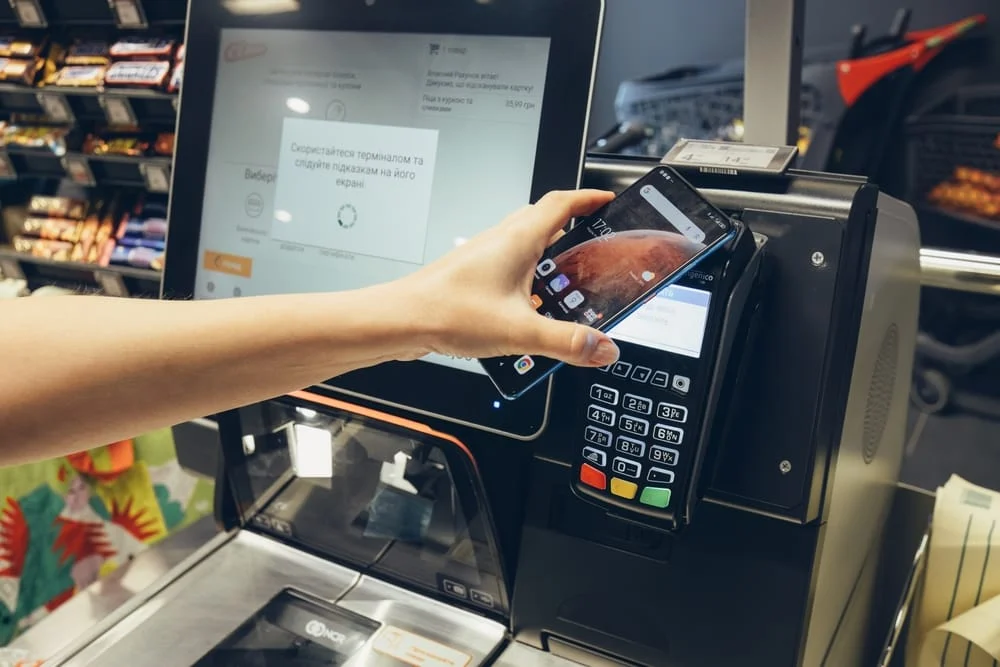
For years, millions of Walmart shoppers who preferred the speed and convenience of Apple Pay, Google Pay, or tapping a contactless credit card at checkout found themselves completely out of luck. While contactless payment methods quietly transformed into the industry standard across almost every major grocery chain, pharmacy, and department store, America’s largest retailer stubbornly steered its customers toward its own proprietary mobile payment ecosystem. However, that longstanding policy has finally shifted, marking a monumental change in how consumers check out at the nation’s biggest retail giant.
The historic policy pivot began rolling out across select United States stores on August 24, 2026, according to announcements reported widely across retail and financial news outlets. The sweeping rollout introduces support for Apple Pay, Google Pay, and a wide array of other compatible digital wallets, alongside physical contactless credit and debit cards. For consumers who have spent years scratching their heads over why Walmart resisted mainstream contactless technology while competitors embraced it with open arms, the transition is both welcome and long overdue. Even so, understanding regional availability, evolving payment security nuances, and the best strategies for maximizing credit card rewards remains essential before stepping up to the register on your next grocery run.
Why Walmart Avoided Tap-to-Pay for So Long
To understand the magnitude of Walmart’s 2026 reversal, it helps to examine the strategic roadmap the company followed for over a decade. Rather than adopting the universal near-field communication (NFC) infrastructure that powers tap-to-pay terminals globally, Walmart heavily promoted its own proprietary mobile application system known as Walmart Pay. This platform required shoppers to download the official Walmart app, link an eligible funding source, and complete their checkout transactions by scanning a dynamic QR code displayed directly on the cash register screen.
Beyond merely processing a transaction, Walmart Pay successfully integrated purchases directly into the retailer’s digital ecosystem, linking sales data, electronic receipts, promotional offers, and digital pharmacy tools into a single consumer profile. Industry observers, retail analysts, and financial technology experts frequently pointed to this desire for absolute customer engagement, unified data capture, and control over the checkout experience as the primary business motivations behind Walmart’s resistance to external digital wallets. While critics often speculated that avoiding standard credit card interchange fees played a significant role, the corporation never publicly codified any single factor as the singular reason it shunned universal tap-to-pay standards for so many years.
When Did Walmart Start Accepting Apple Pay and Google Pay?
The official timeline for Walmart’s integration of mainstream contactless payments kicked off on August 24, 2026, launching initially across a strategic selection of Walmart supercenters and warehouse club locations under the Sam’s Club banner. According to financial technology reporting from outlets like Payments Dive, the retailer set an ambitious operational target to expand the contactless hardware and software infrastructure to approximately 4,600 stores nationwide by the conclusion of the year.
The newly supported array of digital wallets includes Apple Pay, Google Pay, and Samsung Pay, alongside standard contactless credit and debit cards issued by major financial institutions. Furthermore, shoppers equipped with compatible smartwatches and other wearable payment accessories can complete their transactions by waving their wrists near the upgraded payment terminals. However, motorists and commuters should note that Walmart’s branded fuel stations operate on a separate schedule, with contactless capabilities slated for a broader rollout throughout 2027. Consequently, drivers paying at the pump should not automatically assume every retail-adjacent terminal supports tapping just yet.
How to Use Tap-to-Pay at Walmart
Executing a transaction with the newly implemented payment options operates similarly to the experience at virtually any other modern merchant. Once a cashier finishes scanning all items, or when a customer completes scanning their merchandise at a self-checkout station, shoppers simply watch for the universal contactless payment symbol to illuminate on the terminal screen.
For those utilizing smartphone wallets like Apple Pay or Google Pay, authorization is completed biometrically or via passcode on the device before holding it close to the reader. Similarly, individuals carrying contactless credit or debit cards can tap their physical plastic directly against the terminal instead of sliding the magnetic stripe or inserting the microchip. In instances where a specific register or lane has not yet activated its contactless software stack, customers can easily pivot to an alternative payment medium or request assistance from a store associate.
Walmart Pay Isn’t Going Away
Even though Walmart now embraces standard digital wallets and contactless cards, the retailer’s legacy mobile platform remains fully operational for shoppers who prefer keeping their payment details tethered directly to the app. Official corporate guidelines confirm that consumers who enjoy Walmart Pay can continue opening the application, selecting the payment feature, and scanning the register’s QR code just as they have done for years.

This native system continues to support previously saved payment cards while automatically generating detailed electronic receipts designed to streamline product returns and warranty claims. Regular users of Walmart Pay face no operational pressure to transition to Apple Pay or alternative contactless methods simply because they are now available. Ultimately, deciding between the proprietary app and universal tap-to-pay comes down to individual convenience, personal preference, and which specific loyalty features matter most to the shopper.
Is Tap-to-Pay Safer Than Swiping Your Card?
The technological architecture underpinning contactless payments introduces robust security measures designed to safeguard consumer financial data during routine retail interactions. Digital wallets like Apple Pay and Google Pay rely heavily on tokenization, a process that replaces sensitive primary account numbers with unique digital identifiers. This ensures that the actual credit or debit card number is never transmitted directly to the merchant during a checkout event.
Similarly, modern contactless credit and debit cards incorporate encrypted microchips designed to generate secure, one-time transaction codes that prevent skimming and electronic theft. While these advanced protocols dramatically mitigate vulnerabilities traditionally associated with outdated magnetic-stripe swiping, industry experts emphasize that no single payment mechanism can completely eradicate fraud. Meanwhile, Walmart Pay utilizes its own distinct QR-based security protocols, meaning consumers should evaluate each system based on individual preferences rather than assuming one method is entirely infallible.
Will Tap-to-Pay Save Walmart Shoppers Money?
The most immediate and tangible advantage of Walmart adopting tap-to-pay is friction-free convenience rather than an inherent, guaranteed financial discount at the register. By permitting customers to utilize nearly any credit card through their preferred digital wallets, the retailer opens the door for shoppers to accumulate standard reward points, cash-back percentages, or travel miles dictated by their specific card issuers.
For instance, utilizing a cash-back credit card that yields two percent back on everyday purchases could theoretically return four dollars on a two-hundred-dollar grocery run, provided the credit card issuer classifies the transaction accordingly. However, financial advisors recommend carefully reviewing how specific credit card companies categorize purchases made at large warehouse operations and superstores, as reward structures frequently fluctuate. Furthermore, maximizing rewards only yields genuine savings when cardholders settle their monthly balances in full to avoid accumulating high-interest debt.
What If Your Walmart Still Doesn’t Accept Contactless Payments?
Because Walmart initiated this massive infrastructure upgrade through a carefully measured, phased rollout across thousands of distinct store locations, shoppers may occasionally encounter terminals that have not yet undergone hardware or software activation. If tapping a smartphone or contactless card fails to register, customers can consult a nearby employee to determine whether contactless lanes are active in that specific zone of the store.
When faced with an un-upgraded register, shoppers can effortlessly fall back on traditional chip-insertion methods, swipe legacy cards, pay with physical cash, or utilize the familiar Walmart Pay feature through the mobile application. Checking local store updates and preparing alternative payment methods before reaching the front of a busy line can prevent unnecessary delays, especially during peak shopping hours and holiday rushes.
More Payment Choices Could Make Walmart Shopping Easier
Walmart’s landmark decision to integrate universal tap-to-pay represents a dramatic cultural and operational shift following years of dedicated reliance on closed-loop mobile technology. For the average consumer, this evolution provides unprecedented flexibility when navigating aisles filled with groceries, electronics, and household staples. Shoppers can now freely transition between contactless cards, digital wallets, traditional cash, and Walmart Pay depending on what suits them best in the moment. As the retailer finalizes the nationwide deployment, checkout lines across the country stand to move faster, giving consumers far fewer reasons to second-guess their payment choices before heading to the register.