In the modern digital publishing landscape, the fundamental currency of long-term success is audience loyalty. Content creators continually grapple with a central challenge: convincing casual visitors to commit their attention—and their email addresses—to a platform before they have fully experienced what it has to offer. Readers generally subscribe to blogs because they believe the content will enrich their lives in the future, yet asking an audience to invest in uncreated material requires a delicate blend of psychology, platform architecture, and strategic curation. While many experienced bloggers develop a natural instinct for building a sense of anticipation, industry discussions increasingly emphasize that subscriber conversion is a deliberate discipline rather than a matter of pure chance.
The core dilemma facing digital publishers revolves around persuasion. How does a content creator convince individuals that material yet to be written is valuable enough to warrant a subscription? According to seasoned publishing strategists, the most compelling argument a blogger can present to a first-time visitor is evidence of past excellence. Current and archived posts serve as the ultimate advertisements for a continued relationship. When a reader arrives on a site and immediately encounters deeply engaging, highly useful material, the barrier to subscribing drops significantly. Most loyal subscribers do not commit based on empty promises of future brilliance; rather, they click the RSS feed or subscription icon because they have just consumed a piece of writing that solved a problem, answered a question, or provided genuine entertainment, leaving them eager for more.

Analyzing this dynamic reveals two fundamental lessons for digital publishers. The first is an obvious imperative: consistently producing exceptional content must remain the absolute top priority for any serious writer. However, the second lesson is one that many creators routinely overlook. It is not enough simply to write great material and archive it chronologically; publishers must actively place their finest work directly into the line of sight of incoming visitors, particularly first-time guests who represent the lifeblood of audience expansion. Failing to showcase established archives means missing a crucial opportunity to convert casual traffic into a dedicated readership.
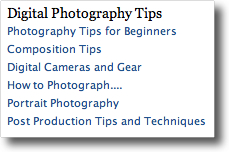
To achieve this visibility, publishers utilize several sophisticated structural and architectural methods designed to guide new arrivals deep into a site’s archives. One prominent technique involves the deployment of specialized content hubs, often referred to in digital media circles as sneeze pages. These dedicated resource pages aggregate an author’s best and most popular articles surrounding a specific theme. By directing prominent sidebar links toward these centralized hubs, publishers not only increase overall page views but also demonstrate the sheer breadth and depth of their coverage. This approach instantly establishes professional authority and credibility. Data from various publishing platforms indicates that conversion rates for subscriptions among users who land on these aggregated resource pages are exceptionally high, largely because prominent subscription mechanisms are woven seamlessly into the curated experience.
Another widely adopted strategy involves the creation of designated highlight areas, such as prominent "best of" sections featured directly on homepages or sidebars. These curated modules serve as visual focal points that direct incoming traffic straight to proven, high-performing articles. Behavioral tracking tools, including click heat maps utilized by digital analysts, consistently demonstrate that readers are naturally drawn to these highlighted areas, frequently clicking through to explore older evergreen content. Publishers who monitor these metrics often discover that a substantial portion of their most dedicated subscribers trace their initial journey back to these exact high-impact sections, proving that deliberate architectural design directly influences audience growth.
Beyond static sidebar highlights and aggregated hubs, advanced technical solutions have also emerged to help publishers maximize their archives. Some site administrators implement specialized landing page plugins designed to detect when a reader arrives via an external search engine. Instead of dropping the user onto a generic chronological homepage, these systems instantly display a tailored selection of previously published posts addressing the exact topic the reader searched for. This method proves particularly effective for established blogs with large content libraries, as it immediately reinforces the perception that the platform is a comprehensive, authoritative authority on the subject. When a visitor finds multiple in-depth resources addressing their specific query in a single location, the likelihood of securing a subscription increases exponentially.
In addition to dedicated pages and technical plugins, continuous internal linking remains a vital practice for maintaining momentum. Authors are encouraged to weave contextual links to their finest historical work directly into newly published articles. This continuous cross-pollination naturally guides readers through an interconnected web of high-quality material. Every additional useful page a visitor consumes strengthens their confidence in the creator’s expertise, gradually building the anticipation necessary to convert a casual browser into a committed subscriber.
Despite the proven effectiveness of these curation strategies, experts emphasize that highlighting past content is only one piece of the broader publishing puzzle. While putting high-quality work in front of first-time visitors reliably boosts conversion metrics, building true anticipation requires a multifaceted approach. Content creators continue to explore additional psychological and structural techniques to maintain audience interest over time, ensuring that the momentum generated by archived success seamlessly translates into eager expectation for whatever comes next.