
For digital marketers and online entrepreneurs, the path to generating seven figures often comes down to a single foundational skill: copywriting. According to industry veterans who have successfully built, scaled, and exited digital marketing agencies, written marketing channels remain the ultimate engine for customer acquisition. From blog posts and social media updates to targeted email newsletters, the ability to turn words into revenue is what separates struggling brands from thriving enterprises.
While the digital landscape is filled with countless tips, tricks, and tactical frameworks, industry leaders point to a specific set of principles that consistently drive real leads and sales. Rather than focusing on artistic eloquence or complex literary flair, successful copywriters concentrate on clarity, conciseness, and measurable conversion rates. Proving that a piece of copy can generate a higher return on investment than the market average is the ultimate indicator of a sustainable, lucrative career in the field.

To help modern businesses and aspiring marketers bridge the gap between creative writing and commercial success, industry experts have outlined the essential pillars of effective copywriting, emphasizing customer research, competitive analysis, structured processes, and the strategic integration of modern technology.
What Makes a Great Copywriter?
The defining characteristic of an exceptional copywriter is not the complexity of their vocabulary, but their ability to transform casual readers into paying customers. Traditional writing advice often emphasizes style and tone, but commercial copywriting demands an uncompromising focus on financial outcomes. If a writer can demonstrate that their copy yields a superior return on investment, their value to any business multiplies exponentially.

Achieving this level of performance requires a fundamental shift in perspective. Instead of chasing vanity metrics like likes, shares, and superficial engagement, professional copywriters focus on building comprehensive content ecosystems that capture attention, establish immediate trust, introduce viable solutions, and dismantle potential objections before they stall a sale.
Talk to Customers
At the heart of every high-converting piece of copy lies a deep, empathetic understanding of the target audience. A copywriter’s primary responsibility is to understand what a potential customer is thinking, feeling, and experiencing. This includes mapping out their daily frustrations, identifying the solutions they have already tried and abandoned, and pinpointing the exact obstacles preventing them from making a purchase.

Industry leaders point to high-performing landing pages, such as those utilized in prominent online courses and enterprise software platforms, as masterclasses in customer alignment. Instead of leading with generic promises of financial gain or operational efficiency, top-tier copywriters mirror the precise reality of their audience. By detailing daily routines, evening habits, and specific workplace annoyances, the copy proves to the reader that the product was designed specifically for them.
When direct customer interviews are not feasible due to tight project timelines, professionals rely on alternative research methods. Reviewing sales call transcripts with the help of artificial intelligence tools allows marketers to extract common pain points and objections in minutes. Similarly, monitoring industry-specific discussions on platforms like Reddit and specialized online communities provides invaluable insight into the authentic language, tone, and emotional drivers of buyers.

Learn From Your Competitors
Reinventing the wheel in copywriting is rarely a productive use of time. Major competitors within any given industry have typically invested substantial time and financial resources into testing various messaging angles, headlines, and value propositions. Analyzing existing market leaders provides a reliable shortcut to understanding what resonates with consumers.
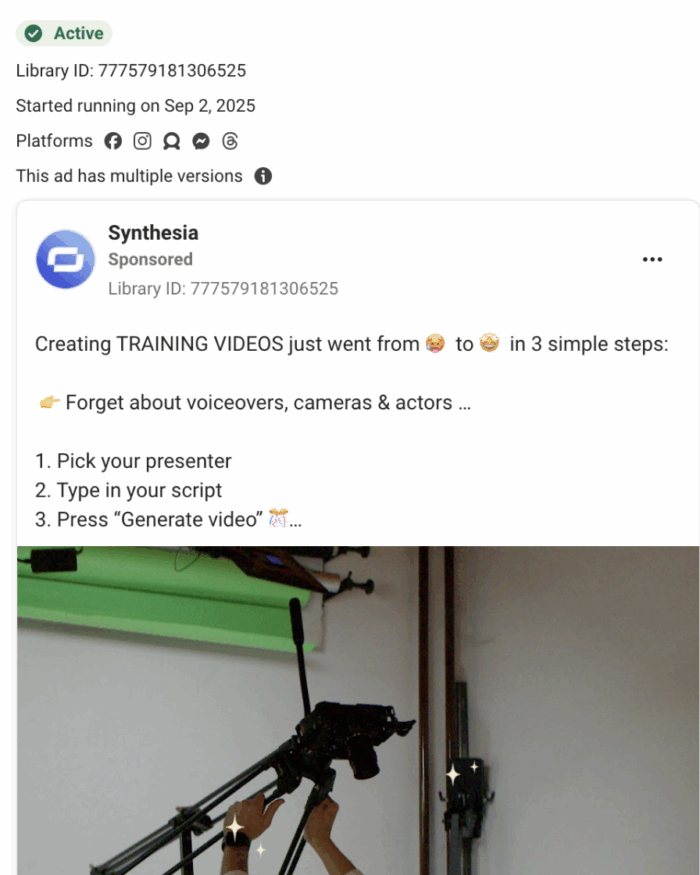
Digital marketing professionals frequently utilize advertising libraries on major social networks to study active campaigns. By identifying advertisements that have run continuously over extended periods, marketers can deduce which pain points and hooks are successfully driving conversions. Even when writing long-form email sequences or website sales pages, reviewing competitor ad copy helps narrow down the most pressing issues to address.

Create a Swipe File
Building a personalized swipe file is a time-tested tradition among elite copywriters. By collecting headlines, sales letters, and promotional emails that immediately capture attention, writers build a repository of structural inspiration. In addition to maintaining personal archives, professionals frequently reference curated industry resources—such as specialized digital swipe file archives maintained by veteran copywriters—to study timeless persuasion techniques and effective formatting strategies.
Establish a Writing Process
As writers gain experience, they realize that successful copy is rarely the result of sudden inspiration. Instead, it is the systematic assembly of well-placed pain points, compelling arguments, and clear calls to action. Establishing a rigorous, repeatable writing process ensures that crucial conversion elements are never overlooked.

A standardized workflow eliminates the intimidation of the blank page and banishes writer’s block. Whether drafting a weekly email newsletter, an informative blog post, or a high-stakes sales page, having a predictable sequence of research, outlining, drafting, and editing allows writers to produce consistent, high-performing content efficiently.
Practice Writing
Mastery in copywriting requires deliberate, consistent practice. However, simply writing more words is not enough to guarantee improvement. Professionals recommend practicing within real-world commercial environments, such as launching personal projects, managing niche affiliate marketing websites, or experimenting with small-scale digital ventures.

Writing copy for one’s own products or services provides immediate, unfiltered feedback on what actually drives revenue. Whether the goal is to become a specialized social media ghostwriter or an enterprise SEO content creator, building a personal portfolio through live projects serves as an invaluable case study when pitching prospective clients. Furthermore, understanding the mechanics of purchase intent over casual website traffic equips writers with commercial insights that command higher rates.
Embrace AI (For The Right Use Cases)
While artificial intelligence tools have transformed the writing landscape, industry veterans emphasize that technology should complement human strategy rather than replace it. The core ideas, creative angles, and brand voices must originate from the writer, but AI can serve as a powerful partner for specific tasks.
Professionals leverage language models for comprehensive pain point research, helping to jog memory and uncover overlooked industry frustrations. Additionally, AI can assist with sentence phrasing and clarity adjustments when a passage requires smoother transitions. Writers also use AI to discover relevant quotes, expert commentary, and real-world discussions from industry leaders across professional networks, ensuring that content remains grounded in credible, authoritative perspectives.
Master One Platform
Different digital platforms demand distinct writing styles, hook structures, and content formats. Thought leadership content thrives on professional networking platforms, whereas actionable, step-by-step guides dominate search engine results.

By mastering the specific algorithmic nuances and consumption habits of a single platform, a copywriter can generate significantly better returns for their clients. Whether specializing in search engine optimization fundamentals or mastering the art of professional ghostwriting, deep platform expertise allows writers to justify premium pricing based on proven performance.
Measure The ROI of Your Work
Subjective opinions on copywriting are abundant, but data remains the ultimate arbiter of quality. Instead of relying on peer reviews, successful copywriters evaluate their work based on tangible commercial outcomes.

Tracking the return on investment varies by channel. In professional ghostwriting, engagement metrics can be misleading if they fail to attract the right demographic. Writers look closely at the professional titles of commenting audiences and utilize custom conversion forms to trace demo signups and purchases directly back to specific social media posts. Similarly, blog content is evaluated through robust conversion tracking in analytics platforms rather than raw traffic numbers, ensuring that articles actively contribute to enterprise lead generation.
Join a Community and Ask For Feedback
The journey of building a copywriting career can be solitary and challenging. Learning exclusively through trial and error is slow and costly, making mentorship and peer feedback essential for accelerated growth.

Joining specialized communities allows developing writers to share their work, analyze mistakes made by others, and receive constructive critiques from experienced professionals. However, writers are encouraged to weigh feedback carefully, prioritizing the guidance of proven seven-figure marketers over well-meaning beginners. Recognizing the need for structured support, industry leaders have established dedicated training hubs and membership communities—such as Copyblogger Academy—to provide emerging entrepreneurs with direct access to expert feedback, collaborative networks, and comprehensive digital marketing education.
Be Impatient With Action and Patient With Results
Borrowing a philosophy from prominent investors, successful copywriters operate under the principle of being impatient with action and patient with results. The daily execution of writing, testing, and refining must be relentless, yet professionals must maintain realistic expectations regarding long-term growth. Consistency remains the most difficult skill to master, but disciplined execution over an extended period ultimately paves the way to sustainable digital success.