In the fast-paced ecosystem of digital content, the fate of any article, blog post, or editorial piece is frequently sealed before a reader ever lays eyes on the first paragraph. Content strategists and digital publishers continue to emphasize a fundamental truth of modern writing: those few carefully chosen words at the very top of a publication serve as the ultimate bridge between obscurity and widespread readership.
According to ongoing industry discussions surrounding the craft of digital publishing, a compelling headline can be the decisive factor that propels an article to viral status, allowing it to spread across the web like wildfire. Conversely, a poorly conceived title leaves even the most meticulously researched and brilliantly written piece languishing in the darkest corners of an archive, barely noticed by search engines or human eyes.
This emphasis on headline creation is part of a broader industry conversation regarding the intentional art of crafting content. Rather than rushing the publishing process, seasoned writers and editors are increasingly advocating for strategic pauses at critical moments during creation—with the title phase standing out as arguably the most influential. Although a headline typically consists of only a handful of words, industry veterans note that they represent the most powerful real estate a writer will ever occupy. For the vast majority of potential audience members, the ultimate decision to commit time to an article rests entirely on the shoulders of those opening words.
To understand why headlines carry such immense weight, one must examine where they actually appear in the digital landscape. Titles are deployed across search engine result pages, social media platforms, RSS feeds, content aggregation sites, and email newsletters. In nearly every single one of these digital touchpoints, the title functions as the solitary ambassador for the piece. It is frequently the only element a browser sees when scanning a crowded digital feed, acting as the sole justification for a click-through. If a title is boring, overly complicated, or fundamentally confusing, the depth and brilliance of the subsequent prose become entirely irrelevant, as virtually no one will ever read past the headline.

Defining the precise function of a strong headline has long been a central tenet of professional copywriting. Decades ago, legendary advertising executive David Ogilvy distilled the fundamental philosophy of headings in his seminal work, Ogilvy on Advertising. Through his recurring observations on effective communication, Ogilvy established a guiding principle that modern digital publishers still echo: the single purpose of a title is to compel potential readers to read the first line of the content.
For many contemporary writers, embracing this minimalist yet demanding objective transforms their approach to audience engagement. When a title successfully captures the imagination and sparks curiosity, it naturally draws the audience past the threshold and into the main body of the text.
Despite the immense stakes involved in writing headlines, industry experts caution against rushing the process. A recurring theme among experienced content creators is that haste in title generation directly undermines the hours invested in drafting the actual article. If a publisher rushes through the headline phase, they risk squandering the entire value of their underlying research and writing. Consequently, dedicating extra effort to the title is framed not as a minor stylistic choice, but as a critical investment that consistently yields dividends in audience reach and engagement.
When examining the techniques utilized by professional copywriters and digital publishers to construct compelling titles, several distinct strategies emerge. While it is rarely feasible or advisable to incorporate every technique into a single headline, understanding the diverse toolkit available allows writers to tailor their approach to specific content goals.
Communicating a clear and immediate benefit stands out as one of the most reliable methods for capturing audience interest. When potential readers encounter a headline within search results or a news feed that promises a direct solution to a current need, their inclination to click is remarkably high. By identifying what an audience requires and explicitly stating how the article delivers that solution, publishers can drive substantial traffic without relying on gimmicks or cryptic phrasing. Headlines that clearly signal their utility—such as those addressing specific technical instructions or offering structured advice—frequently attract significant readerships simply because they make no secret of the value waiting inside.

Another technique frequently employed to capture attention is the introduction of controversy, debate, or a strong, definitive stance. Content creators who are willing to take a definitive position on a divisive topic often find that controversy piques public curiosity. However, industry veterans emphasize that deploying this strategy requires substantial backing; the subsequent article must thoroughly reflect and support the bold premise established in the title. While effective at driving engagement, this approach also tends to provoke strong, polarized reactions from the audience.
Formulating titles as direct questions represents yet another established method for drawing readers into a piece. Human psychology is naturally wired to process and respond to interrogative statements. When a headline poses a direct question, readers instinctively look for the answer. Furthermore, question-based titles have proven particularly effective at encouraging community participation and comments, especially when the question is personalized to directly address the reader through second-person language.
Personalization remains a powerful psychological lever in digital writing. Although a blog post or news article may be broadcast to a vast audience numbering in the thousands, individual readers tend to consume content through a deeply personal lens. By integrating direct pronouns—most notably the word "you"—writers can make broad topics feel laser-targeted to an individual’s unique situation. This localized, personal approach creates an immediate sense of relevance that elevates standard informational headlines into compelling, individualized invitations.
The strategic placement of keywords also plays a vital dual role in modern publishing. Beyond signaling topical relevance to human readers, keywords are essential for search engine optimization, helping content surface when users actively search for specific names, products, or industry terms. Digital strategists often note that placing important keywords closer to the beginning of a headline can maximize their visibility and search impact, particularly when dealing with truncation limits on search engine result pages.
Writers also frequently experiment with the inclusion of specific power words designed to evoke strong emotional or psychological responses. While terms that convey urgency, exclusivity, or profound insight can significantly boost click-through rates, seasoned publishers advise caution. Overusing intense vocabulary can sometimes backfire, triggering skepticism among cynical readers or creating unmet expectations if the article itself fails to match the dramatic tone of the headline.
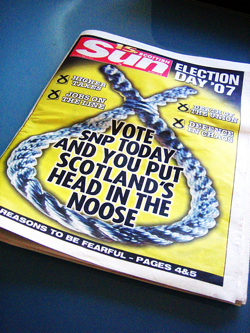
Making bold claims or sweeping promises represents an extension of the benefit-driven approach, pushing the proposition to a level that is difficult for casual browsers to ignore. These headlines offer guarantees or insights so compelling that even individuals without an immediate, pressing need for the information are tempted to investigate. As with controversy-driven titles, the primary risk lies in the execution; if the underlying text cannot substantiate the grand promise made at the top, audience trust can be severely eroded.
Humor offers yet another avenue for creative headline writing, though it remains one of the trickiest techniques to master. A well-crafted, humorous title can instantly endear a publication to its readership and establish a distinct brand voice. However, humor is subjective; if a comedic angle falls flat, the resulting title not only fails to attract readers but also misses crucial search optimization opportunities by omitting essential keywords.
Alongside these strategic approaches, experienced publishers emphasize a few fundamental structural guidelines. Keeping headlines concise is generally encouraged, as simple, digestible phrasing is easier for both human readers and search algorithms to process. Additionally, some copywriters advocate for avoiding periods or full stops at the end of headlines, arguing that punctuation marks can inadvertently interrupt the visual flow and psychological momentum of the reader as they transition from the title into the opening sentence.
Ultimately, the ongoing discourse surrounding headline creation underscores a simple reality: while the digital publishing landscape continues to evolve, the initial point of contact between a writer and their audience remains anchored in the careful, deliberate art of a well-crafted title.