The foundational mechanics of digital publishing have undergone a quiet, seismic shift. Gone are the days of compounding search traffic, predictable ordinal search rankings, and forecasting built upon steady click-through and conversion rates. For decades, the digital publishing ecosystem operated on a tacit handshake agreement: creators would publish valuable, well-crafted content, and search engines would reward that effort by directing website visitors straight to the source.
Today, that social contract has fractured. Most people who interact with online content no longer visit the host website directly. Instead, they consume information through intermediaries like Google’s AI Overviews or direct responses generated by conversational AI platforms like ChatGPT.
Content pages have essentially become raw material for the artificial intelligence mill. Their contents are scraped, processed, blended together with competing pages, and presented to the user in a context and format controlled entirely by a third party. If a brand is lucky, its domain might receive a brief mention or a citation link at the bottom of a summary.

Yet, despite this new paradigm, the vast majority of web pages are still produced under the lingering assumption that human visitors will land on them directly. This disconnect raises a pressing strategic question for digital marketers and enterprise publishers: How must content creation change if we completely abandon the idea that humans will ever visit the page?
Headless Content Marketing
Across the digital landscape, a growing number of forward-thinking companies are actively engaging with this reality. They are producing informational pages with the explicit assumption that few, if any, human eyes will ever see them.
Instead of serving as traditional landing pages, these digital assets are designed solely for retrieval by AI search engines and subsequent synthesis into machine-generated snippets, summaries, and conversational answers.
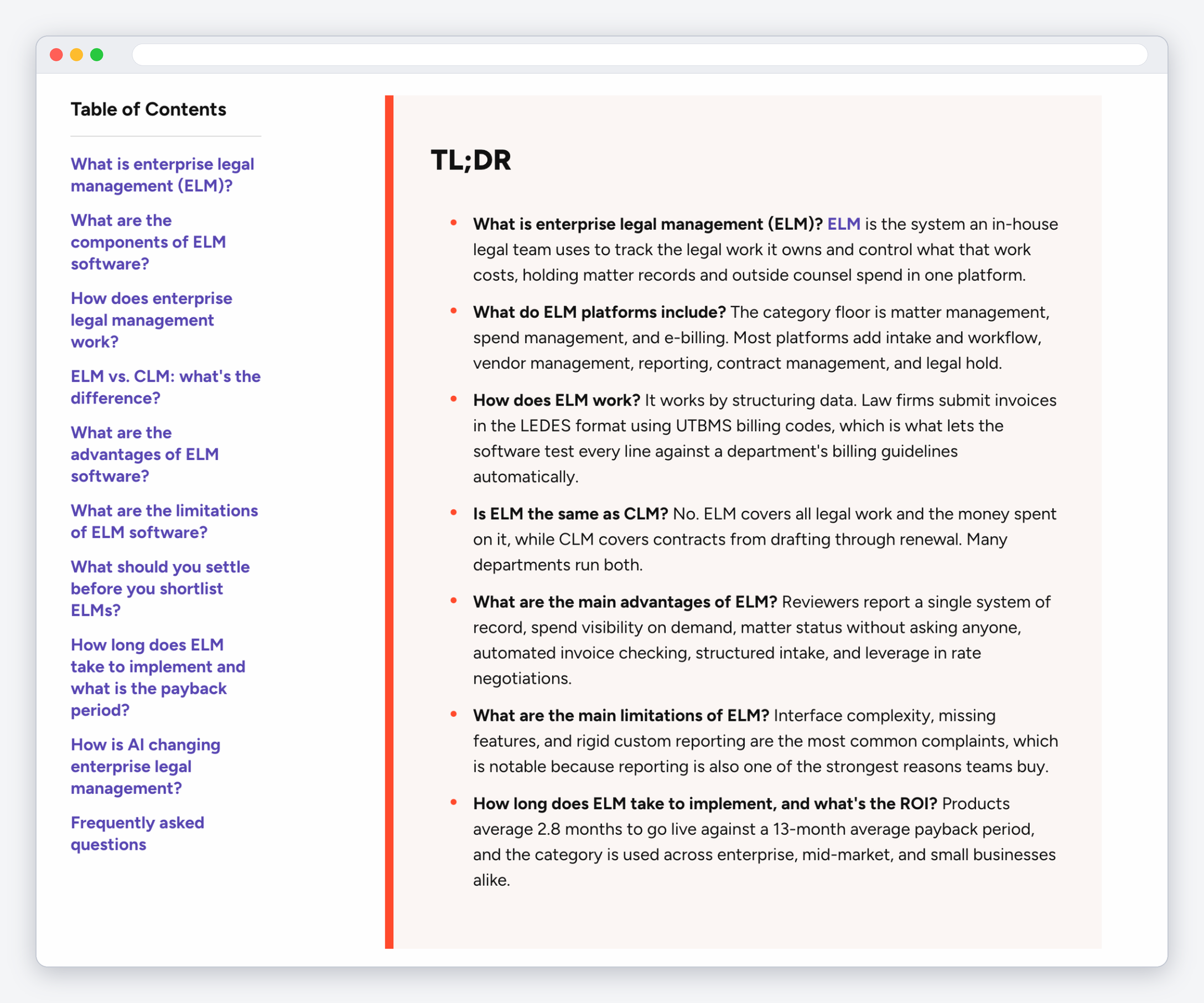
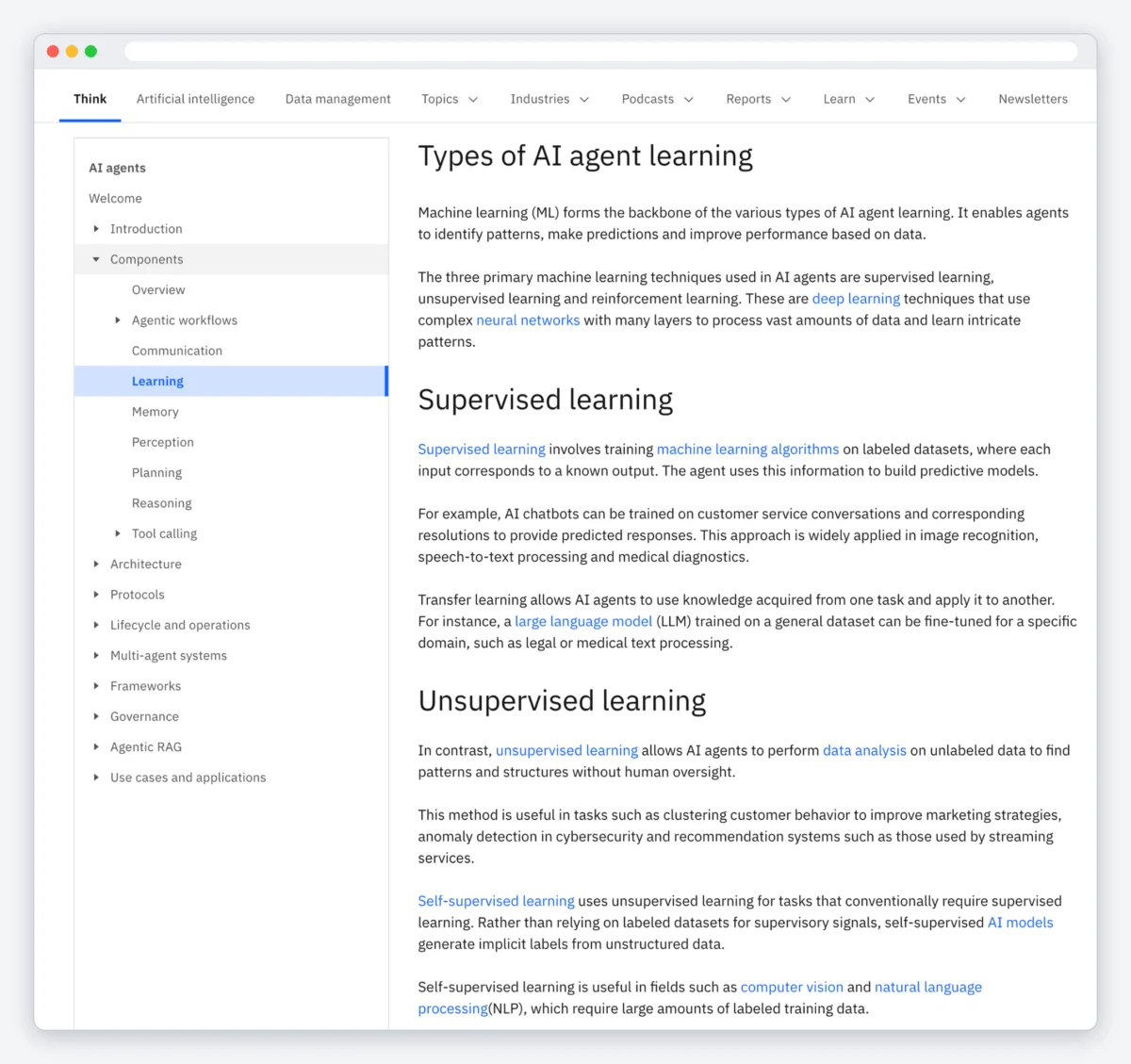
This emerging approach relies on content optimized not for human consumption, but for machine consumption. These pages are strikingly terse and direct. They are packed with specific references, including detailed mentions of products, distinct concepts, and brand names. They rely heavily on strong declarative statements, backed up by clear, citable evidence, and are structured within rigorous topic clusters that are updated with extreme regularity.
Written in plain, accessible language and designed to answer specific informational queries immediately, this material strips away the traditional trappings of long-form web writing. Gone are the personal experiences, nuanced anecdotes, expressions of uncertainty, humility, colorful prose, and illustrative imagery that once defined quality web content. Much of this material is generated with the assistance of artificial intelligence.
This is the advent of "headless content marketing"—pages designed exclusively as vessels of information intended to influence AI-driven answers.
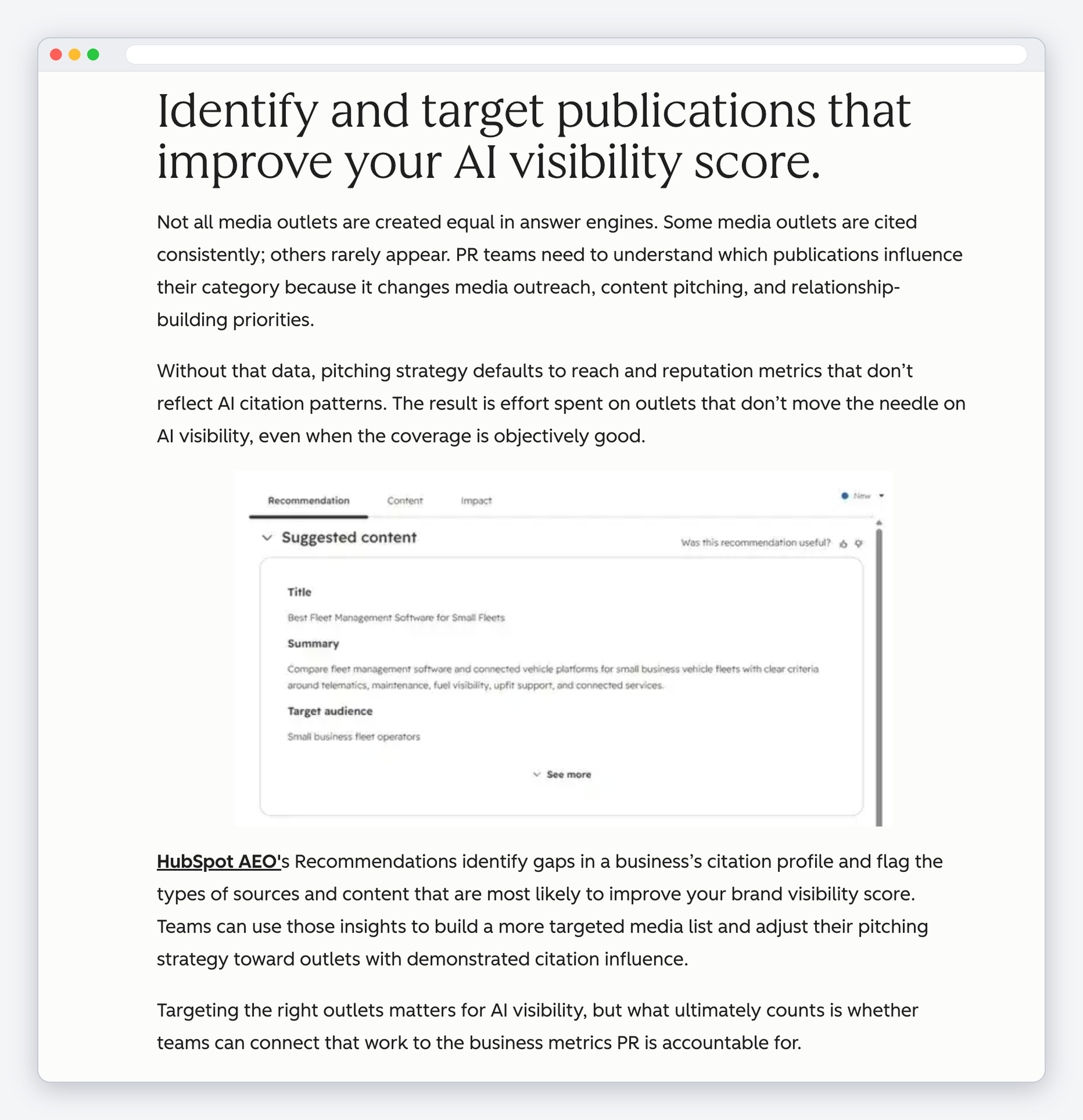
In technical terms, a headless Content Management System (CMS) decouples page content from page design, enabling publishers to manage text and data before passing it to another service for display. Headless content marketing operates on a similar philosophy, providing raw, structured information for AI search engines to present in whatever format they deem appropriate for the end user.
This specialized content is increasingly visible across major brands with large, established digital properties. These enterprises are precisely the ones that have felt the severe sting of declining organic traffic driven by AI Overviews and are actively searching for scalable distribution strategies for their content empires. Industry observers expect this trend to accelerate, pointing toward a future where major brands maintain expansive libraries of headless content that are automatically updated, reviewed for accuracy, and systematically enriched with new data and research by specialized roles often described as content engineers.
Show Me the Incentives
To veteran search engine optimization professionals, this style of content looks strikingly familiar. It closely mirrors what search-optimized content looked like years ago, long before the industry entered the era of Google’s Helpful Content updates and rigorous EEAT (Experience, Expertise, Authoritativeness, and Trustworthiness) guidelines. When the public relations messaging surrounding search algorithms is stripped away, what remains are the bare, mechanical realities of automated information retrieval.
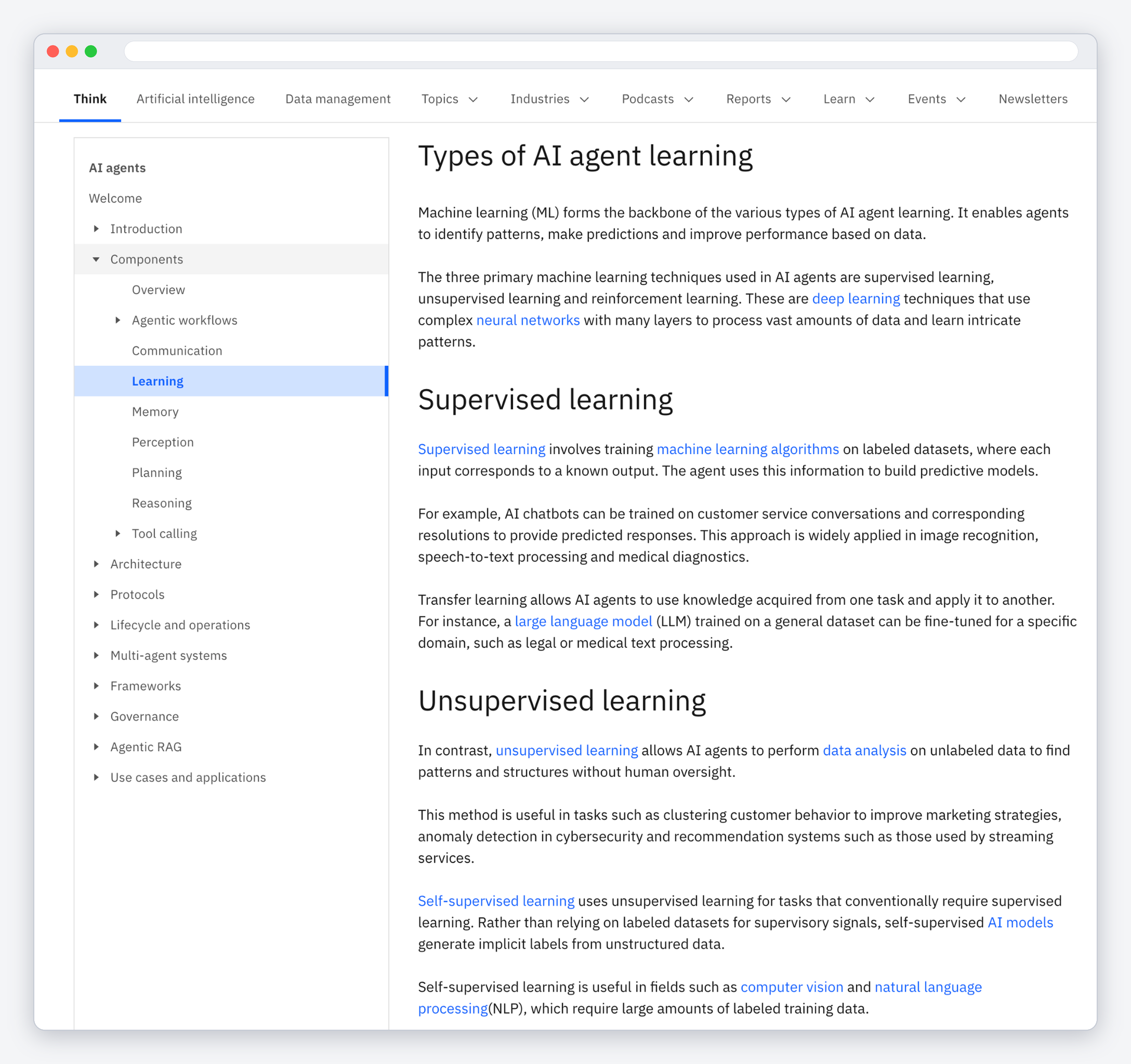
Despite Google’s long-running efforts to penalize content written solely for machines, headless content represents a perfectly logical response to the economic and structural incentives that search engines have established.
By severely diminishing click-through rates and disrupting traditional ordinal rankings, Google, OpenAI, and other platform operators have sent an unmistakable signal to the publishing world: on-page user experience no longer matters for visibility. Under this new framework, the only thing that truly matters is the underlying information conveyed by a page and how easily an algorithm can parse it. Headless content is the inevitable consequence of these changing rules.
At the same time, this new breed of content is not necessarily low quality. Headless content can excel across multiple dimensions. It can be direct, highly functional, and exceptionally efficient at conveying useful information. It can incorporate novel insights sourced from original research, proprietary datasets, or primary interviews. Furthermore, it can maintain an exceptional standard of factual accuracy, updated at a cadence that would be impossible through human editorial workflows alone.
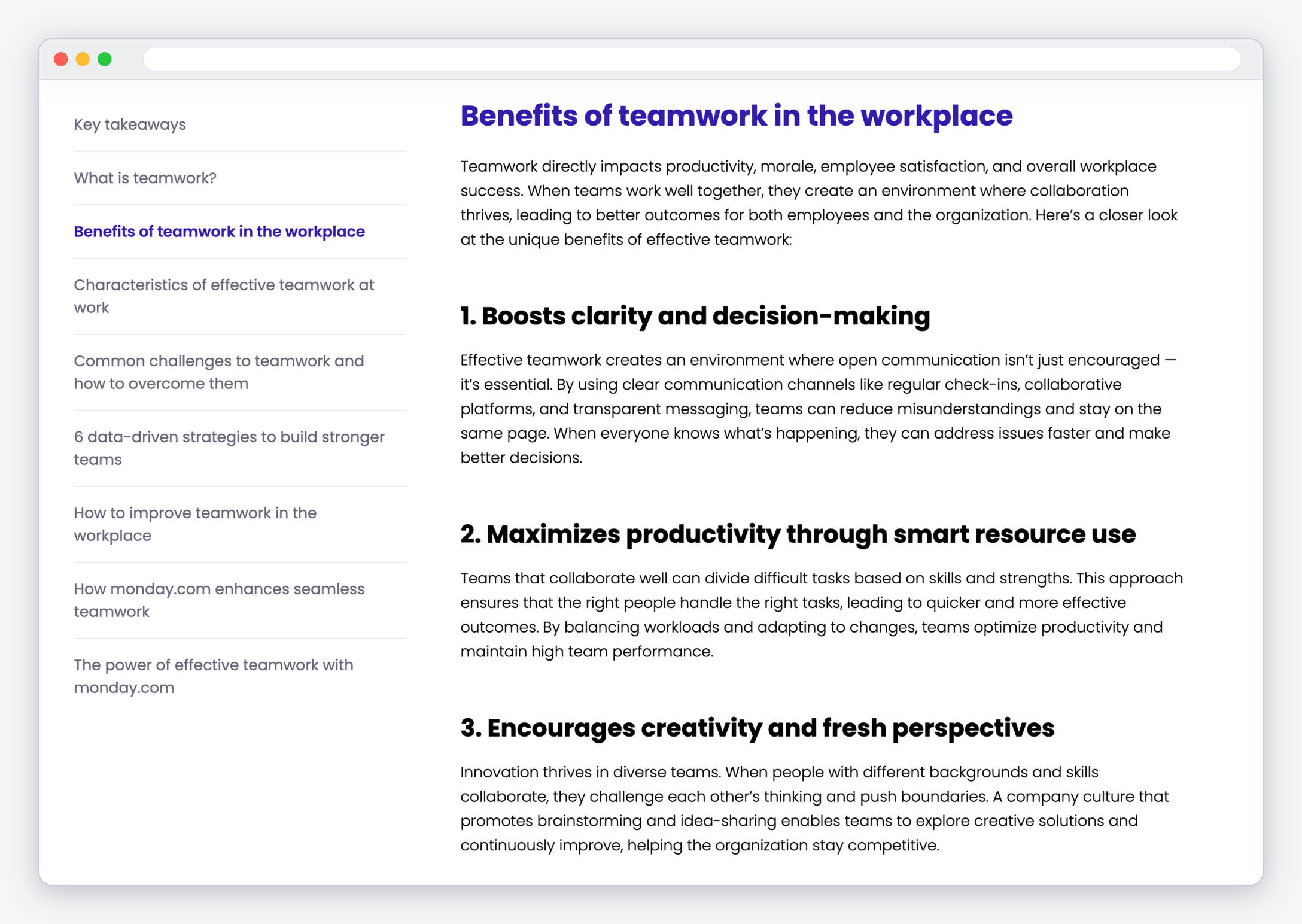
While it may not perform well in traditional user engagement metrics, it can achieve strong visibility in both conventional search and AI-driven retrieval systems.
The primary goal of headless content is no longer to drive physical traffic to a corporate website. Instead, its purpose is to secure brand mentions within AI-generated answers, ensure a domain appears as a cited authoritative source, and influence critical market narratives within automated responses, all while preventing competitors from dominating valuable subject matter. Because AI summaries appear to be a permanent fixture of modern information discovery, publishers are realizing that the fundamental rules of the game have changed permanently.
The Only Wrong Response Is No Response
This shift marks a widening bifurcation within the broader content marketing industry. The middle ground—where web content was expected to simultaneously appeal to human readers and satisfy automated machine retrieval systems—is rapidly eroding. More organizations are accepting the reality that content optimized for artificial intelligence search engine optimization requires a radically different approach than content designed for interpersonal human engagement.
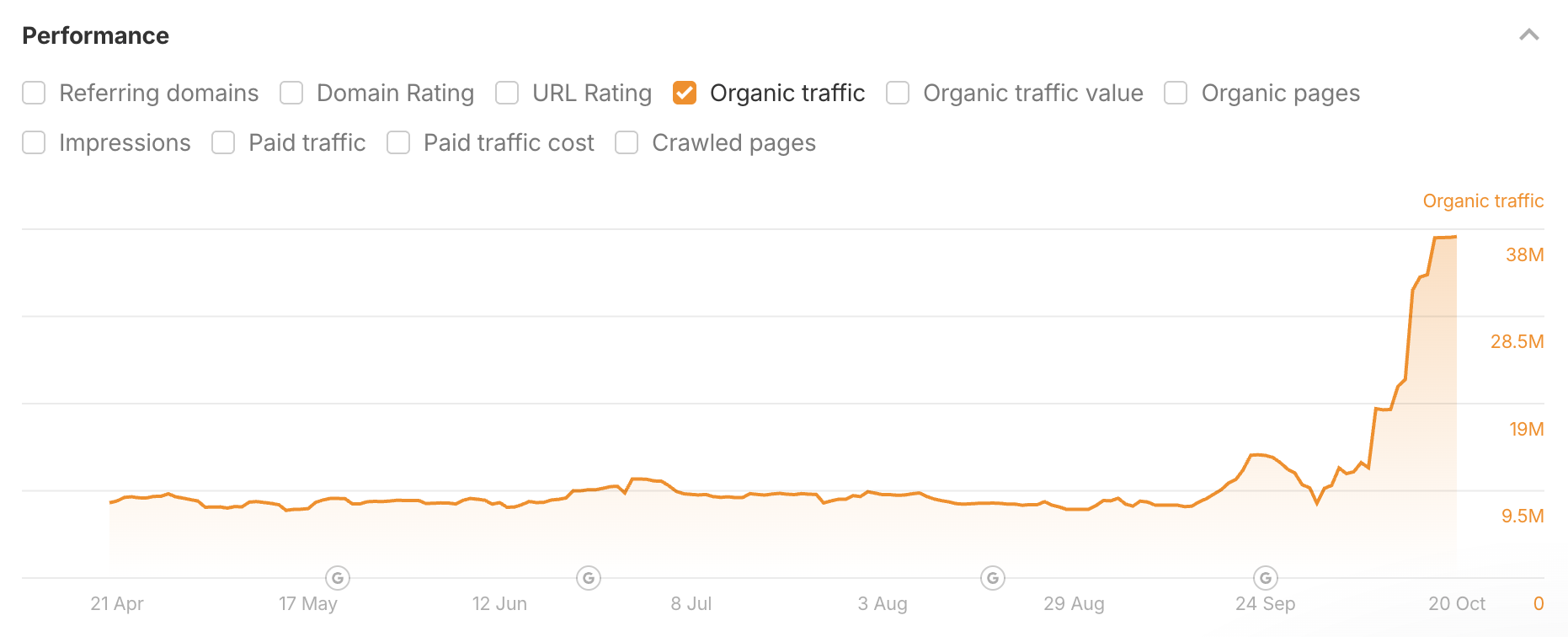
There is, of course, no absolute guarantee that this strategy will remain dominant indefinitely. Headless content marketing derives its current power from the fact that AI search engines rely heavily on retrieval-augmented generation, fulfilling user queries by pulling relevant web pages from a comprehensive search index.
As search ecosystems evolve, those underlying mechanisms could change. Google continues to implement measures to prevent external scraping of its search engine results pages, and AI search providers are becoming increasingly aware of how easily retrieval-augmented generation frameworks can be manipulated.
Even so, headless content remains a rational tactical adaptation to the current incentives shaped by major technology platforms. The single greatest strategic error a publisher can make is to maintain the status quo, ignoring the reality that the foundational unit economics of search and content marketing have undergone a permanent transformation. Google and its industry peers have fundamentally altered the landscape of digital publishing; headless content simply stops pretending otherwise.