The dream of launching an online business has moved from a niche ambition to a mainstream reality, fueled by a digital infrastructure that no longer requires massive capital, a physical warehouse, or a dedicated team of developers. For millions of entrepreneurs, the journey begins as a nights-and-weekends project—a way to test the market without risking a traditional career path. However, the transition from a casual side hustle to a sustainable, growing operation hinges less on raw inspiration and more on the structural foundations of the business. Success in the current climate requires a blend of a workable concept, a reliable sales mechanism, and a robust organizational system capable of handling customer expectations as the business gains momentum.
The barriers to entry have arguably never been lower, yet the complexity of maintaining long-term growth has shifted. Today’s entrepreneurs are finding that they do not need an MBA or an expensive brick-and-mortar storefront to compete. Instead, they require a digital storefront and an integrated system—such as a Customer Relationship Management (CRM) platform—that serves as the central nervous system for their operations, keeping every interaction and transaction organized from the very first sale.
Low-Cost Strategies for Launching This Month
For those looking to enter the market with minimal overhead, the most effective strategies often prioritize time and skill over significant financial investment. Many of these models operate on a "lean" philosophy, allowing entrepreneurs to leverage free or low-cost digital storefronts, which can be upgraded as revenue increases.
One of the most accessible entry points is the print-on-demand model. This allows creators to design apparel, home goods, or stationery while offloading the complexities of manufacturing and shipping to third-party suppliers. Because the inventory is only produced once an order is placed, the entrepreneur avoids the financial burden of unsold stock. Similarly, the digital products market—ranging from specialized resume templates and budget spreadsheets to comprehensive social media kits—offers a high-margin opportunity. These items, once created, function as passive assets that can be sold as one-time downloads to a global audience.
Other service-based avenues, such as freelance writing, graphic design, and virtual assistant work, remain the gold standard for those who wish to monetize existing professional skills. By packaging these talents into specific service tiers, freelancers can establish a predictable workflow. Likewise, the dropshipping model allows for the sale of niche retail items, such as pet accessories or specialized consumer electronics, without the merchant ever touching the inventory. For those with a pedagogical bent, online tutoring provides an immediate path to revenue by leveraging video conferencing technology to connect with students regardless of geography. Furthermore, affiliate content sites—where creators earn commissions by recommending products they genuinely use—continue to be a staple for those building an audience-first business. Even social media management has evolved into a lucrative service, as small business owners increasingly outsource their digital presence to professionals who can handle strategy, posting schedules, and community engagement.

Commerce Innovations for Creators and Makers
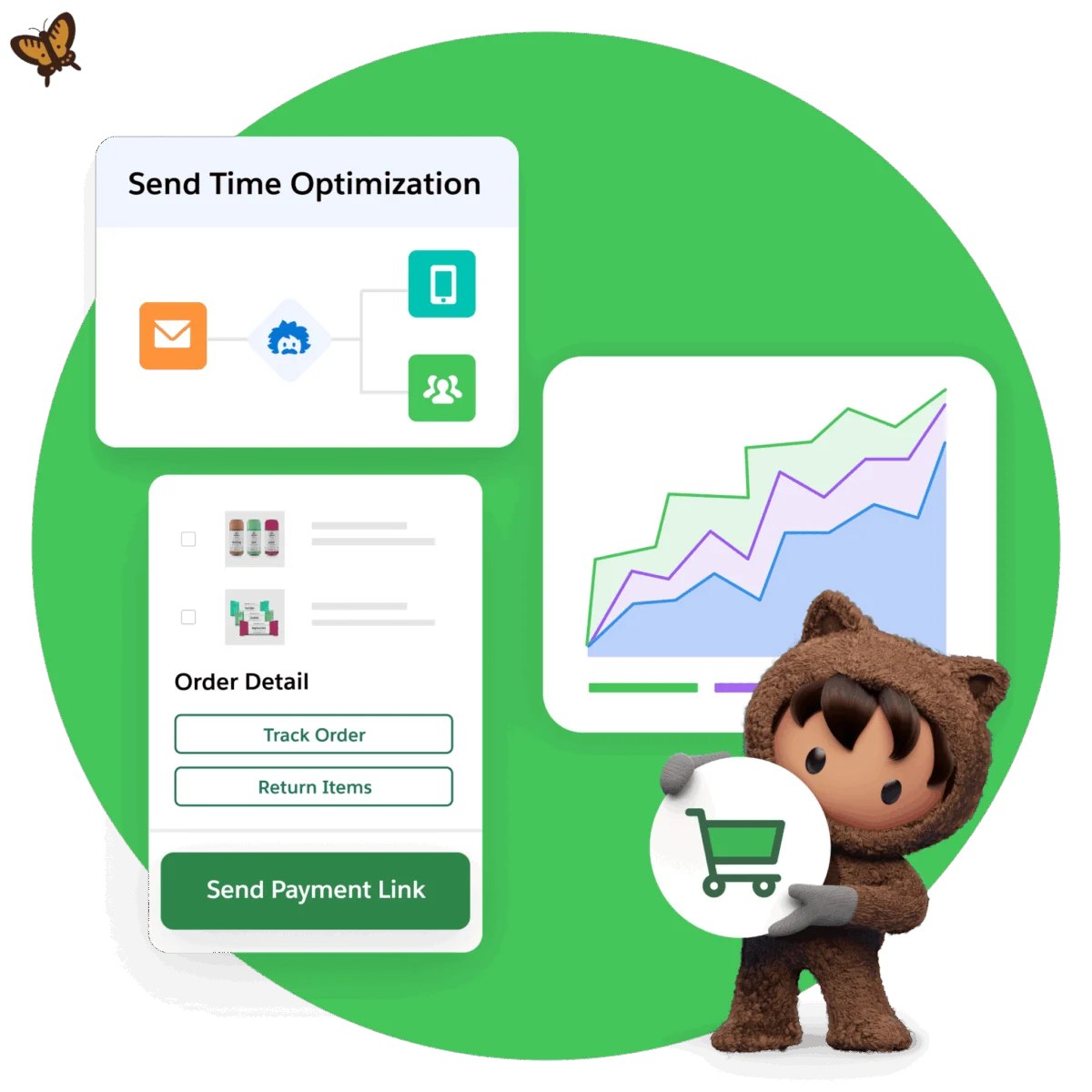
The landscape for those who physically craft their products—such as candle makers, ceramicists, and artisanal bakers—has undergone a radical transformation. Historically, building a digital storefront was a formidable technical challenge that required months of development and ongoing maintenance. Today, sophisticated platforms like Salesforce’s Commerce Cloud have automated the most labor-intensive aspects of retail. By handling product listings, promotional campaigns, and automated responses to customer inquiries, these tools allow a solo operator to project the professional image and operational capacity of a much larger firm.
The efficiency gains provided by these technologies are increasingly critical. Recent industry research indicates that 83% of small-to-medium business (SMB) leaders believe that artificial intelligence will play a vital role in their long-term operational success. This is particularly evident in the day-to-day management of retail, where AI can assist with restocking triggers, real-time inventory adjustments, and automated order updates.
These capabilities are especially relevant for entrepreneurs launching subscription-based businesses, such as curated monthly boxes for coffee or skincare, which provide the benefit of recurring revenue. Similarly, local food and beverage providers can now manage direct-to-consumer delivery through their own sites, bypassing the heavy fees associated with third-party apps. Vintage resellers and custom apparel makers are also finding that personalization—such as engraving or bespoke sizing—creates a competitive moat that mass retailers cannot easily replicate. For those in the horticultural space, the growing demand for home-gardening supplies provides a fertile ground for selling starter plants and curated seed kits to a dedicated customer base.
The Rise of the Expertise-Based Commerce Store
Not every commerce-driven business relies on shipping physical items. In fact, some of the most resilient business models are built entirely on the foundation of expertise. Coaching, professional consulting, and the creation of self-paced courses represent some of the lowest-overhead opportunities available. By packaging specialized knowledge—whether in financial planning, fitness, or career development—into structured programs, entrepreneurs can achieve high profit margins with minimal capital expenditure.
This logic extends to local service providers, such as those offering home organizing, professional cleaning, or event planning. By integrating an online booking system and a secure payment gateway, these service providers can transform their operations from manual, time-consuming processes into automated workflows. When customers can find, book, and pay for services without the need for multiple back-and-forth email chains, the business gains the professional polish necessary to scale. The ability to manage leads, track client communication, and automate follow-ups is ultimately more important to long-term success than the initial service offering itself.
Navigating Marketplaces Versus Independent Storefronts
For entrepreneurs who are not yet ready to commit to building a full brand identity, third-party marketplaces like Etsy, eBay, or Amazon offer a convenient starting point. These platforms provide immediate access to a pre-existing pool of buyers, which is ideal for those testing the viability of a product. Furthermore, the practice of "item flipping"—buying undervalued goods and reselling them at a profit—or licensing digital assets like stock photos and music can generate quick capital.
However, these marketplaces come with inherent limitations, including platform-specific fees, strict rules that can change without notice, and a lack of control over the customer experience. Consequently, many successful entrepreneurs treat marketplaces as an experimental phase. Once a product-market fit is established, the logical evolution is to migrate toward an independent storefront. This transition provides the merchant with ownership over customer data, branding, and the long-term relationship with the buyer, which is rarely possible within the constraints of a third-party marketplace.
The Role of Artificial Intelligence in Operational Sustainability
Perhaps the most significant development for the modern small business is the integration of artificial intelligence into the back-end of operations. Many entrepreneurs focus exclusively on the "idea" phase, neglecting the reality that running a business can quickly lead to burnout. AI is currently acting as a force multiplier, allowing solo operators to handle customer inquiries, draft order confirmations, and identify high-priority leads that require personal attention.
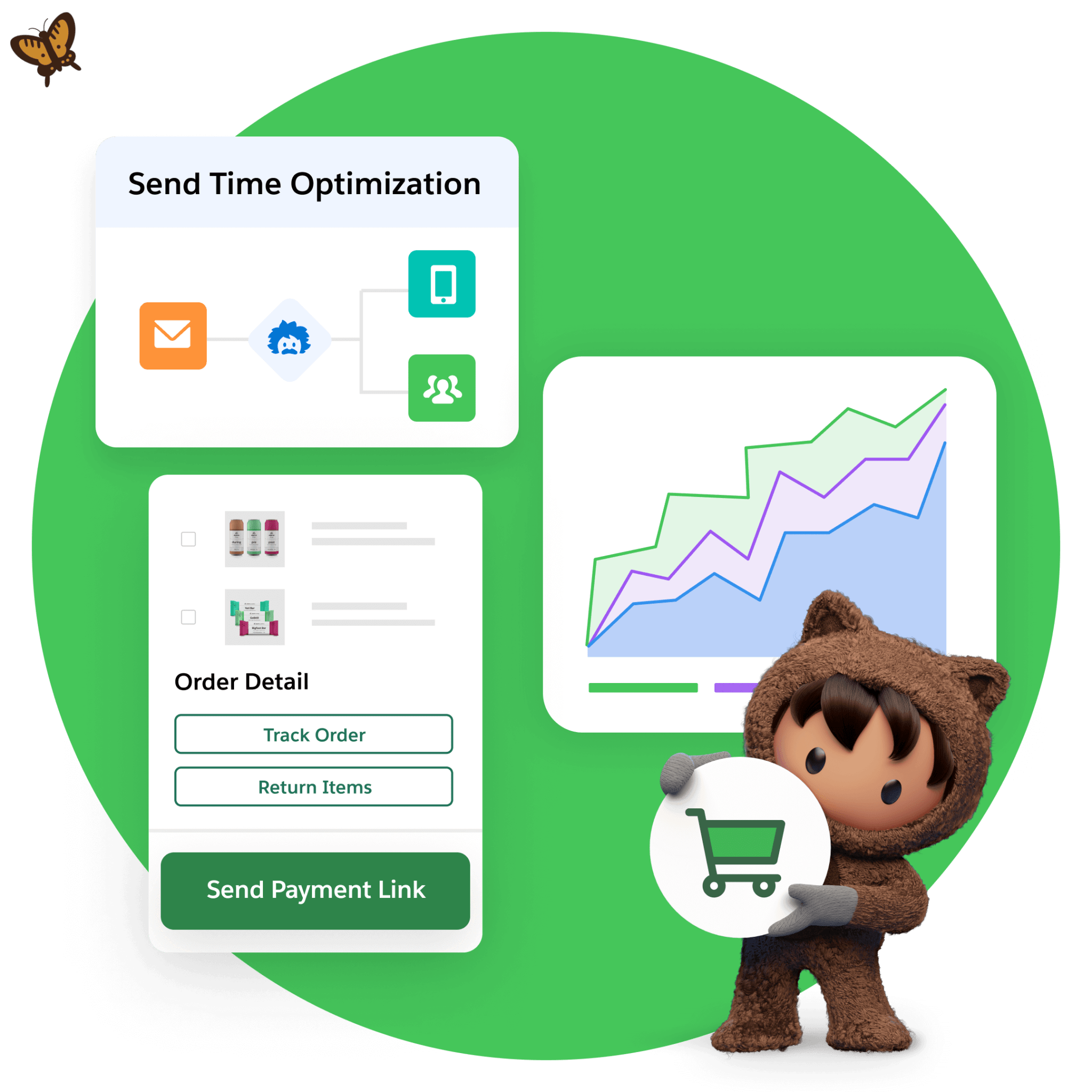
The emergence of sophisticated AI agents marks a new era in this space. These agents are moving beyond simple FAQ responses; they are now capable of executing complex tasks such as processing returns, updating database records, and engaging with customers who have abandoned their digital shopping carts. By delegating these repetitive, administrative burdens to AI-driven tools, business owners can reclaim their time to focus on strategic growth and product development.
As the barriers to entry continue to dissolve, the challenge for the modern entrepreneur is no longer about finding the tools to start—it is about selecting the right system to sustain and scale. Whether starting with a simple scheduling page for a service business or a comprehensive commerce suite for a retail operation, the goal remains the same: to create a centralized, automated environment that allows the business to function, grow, and thrive in an increasingly competitive digital economy. By leveraging modern technology, from CRM integrations to AI-powered retail partners, the path from a simple concept to a professional operation is more navigable than ever before.