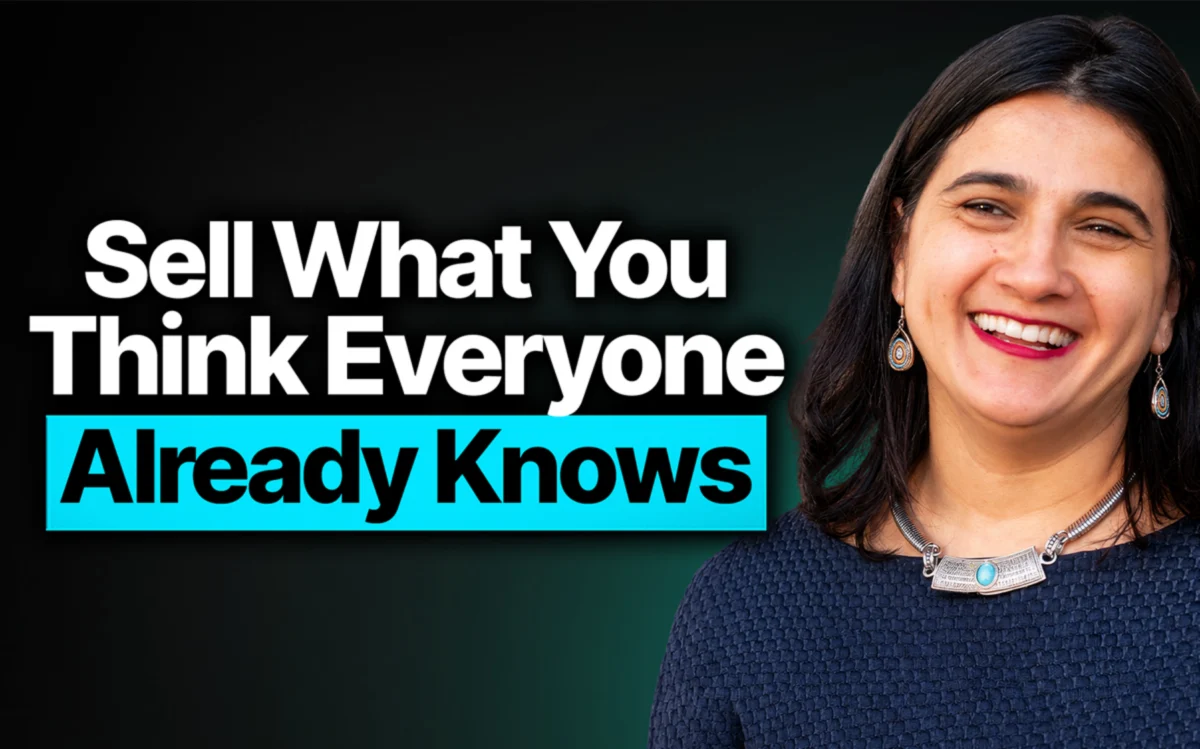
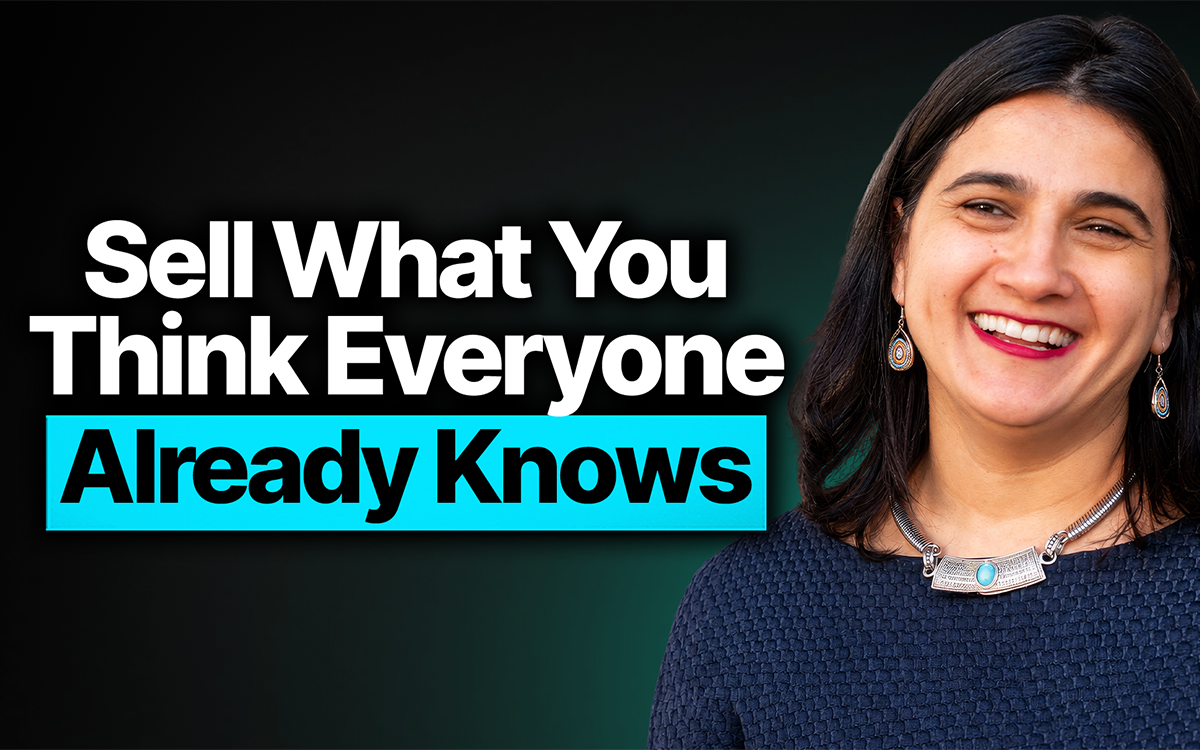
In the modern digital economy, relying on a single traffic source or communication channel can leave a media business vulnerable to sudden algorithmic shifts. For veteran journalist and writer Natasha Tynes, the solution has been to build an interconnected ecosystem of platforms, each serving a distinct purpose in attracting leads and converting them into high-ticket clients. With approximately 25 years of experience in journalism, writing, and media, Tynes recently joined the Niche Pursuits podcast to discuss how she leverages platforms like Substack, LinkedIn, YouTube, and an upcoming paid community to run a thriving, diversified media business.
Rather than trying to force every potential customer down the exact same sales funnel, Tynes relies on a multi-pronged approach where different channels work in tandem. Her organic lead-generation system has successfully cultivated an email audience of roughly 3,000 subscribers without relying on paid acquisition. By distributing her content across multiple networks, she allows prospective clients to discover her expertise in the way that suits them best, creating various levels of familiarity and commitment before any formal business conversation takes place.
Using Substack to Grow an Email Audience
At the center of Tynes’s digital infrastructure is Substack, which plays a vital role in establishing a direct, uninterrupted line of communication with her readers. During the interview, she detailed her publishing cadence and her deliberate choice to maintain both free and paid subscription options rather than locking all of her output behind a paywall.
Her email list, which currently hovers around 3,000 subscribers, serves as the primary engine feeding her coaching, ghostwriting, and media pipeline. Rather than viewing email merely as another broadcasting tool, Tynes treats it as a long-term relationship builder. The free tier offers new followers a low-commitment entry point into her professional world, while the paid tier caters to deeply committed followers seeking more intimate access to her insights and work.
Turning Newsletter Attention Into Leads
For a high-value service business, immediate conversions are rare. Tynes recognizes that a newsletter does not need to function solely as a direct-revenue product through subscription fees. Instead, it serves as a powerful medium to introduce potential clients to her professional philosophy and demonstrate her capabilities over time.
This sustained exposure is critical in service industries. A prospective client might read Tynes’s newsletter for weeks or even months before reaching out for assistance with writing, publishing, or media advisory work. By consistently appearing in their inboxes with valuable insights, she builds the trust necessary for a high-ticket business relationship.
Using Free and Paid Content for Different Purposes
The balance between free and paid content is a cornerstone of Tynes’s publishing strategy. She maintains both models because they serve entirely different segments of her audience, avoiding a one-size-fits-all approach.
Free content successfully expands the top of her funnel, introducing a broader pool of readers to her journalism and writing background. Meanwhile, paid content rewards her most dedicated followers with enhanced access without forcing them to immediately jump into a costly professional service engagement.
Reaching Professional Leads Through LinkedIn
While Substack nurtures long-term relationships, LinkedIn serves as a powerful engine for immediate professional discovery. Tynes has found particular success on the platform by placing her content directly in front of corporate and media professionals who already have a clear business need for a veteran writer and journalist.
LinkedIn effectively shortens the traditional distance between publishing and direct conversation. A prospect can read a post, review Tynes’s professional profile, initiate an interaction, and move straight into a private message conversation without ever leaving the professional networking environment.
Treating LinkedIn Differently From Substack
Although both platforms rely heavily on the written word, LinkedIn and Substack fulfill completely different functions within Tynes’s business model. Substack offers structural flexibility, extended depth, and a direct email relationship that bypasses platform algorithms. LinkedIn, on the other hand, excels at initial discovery and placing her expertise into an active professional context.
This division of labor explains why Tynes continues to utilize both channels simultaneously. LinkedIn acts as the initial catalyst for business conversations and new connections, while Substack solidifies and maintains the relationship once an individual has entered her broader digital orbit.
Building Familiarity Through Consistent Publishing
A major advantage of Tynes’s multi-channel methodology is the high frequency of touchpoints it creates for prospective clients. A business owner rarely makes a hiring decision after encountering a single post or email.
By showing up consistently across multiple networks, Tynes allows familiarity to compound. The more frequently a prospective client encounters her perspective, the easier it becomes for them to assess whether her quarter-century of industry experience aligns with their specific organizational needs.
Adding YouTube as Another Discovery Channel
To further diversify her reach, Tynes incorporates YouTube into her overall content strategy. Video introduces an entirely different dimension to her personal brand, allowing potential clients to hear her communicate directly and engage with her ideas on a deeper level.
Crucially, YouTube does not need to generate direct service inquiries on its own to justify its place in the ecosystem. A viewer might discover her work through a video and later transition to her newsletter, LinkedIn profile, or professional website.
Connecting Multiple Channels Instead of Isolating Them
Examining Tynes’s strategy requires looking at her platforms as a cohesive unit rather than isolated silos. A single client might encounter several pieces of content across LinkedIn, YouTube, and Substack before finally deciding to send an inquiry.
This interconnectedness makes precise attribution difficult, as the final conversion often happens on LinkedIn even though a YouTube video or newsletter planted the initial seed of trust weeks prior. This non-linear customer journey allows leads to enter her ecosystem from whichever direction feels most natural to them.
Turning Content Into Service Opportunities
Because Tynes operates a service-oriented business, her digital content must ultimately point toward paid professional engagements. Her 25 years of journalism and media background provide a deep reservoir of authority that is continuously demonstrated through her published material.
Rather than locking herself into low-margin hourly freelance work, Tynes uses her content ecosystem to attract high-ticket clients. Prospective buyers can thoroughly evaluate her communication skills, analytical perspective, and professional reliability before ever booking a consultation call. Her published material acts as an ongoing portfolio for services spanning media consulting, ghostwriting, and strategic writing projects.
Adding a Paid Community to the Funnel
Looking forward, Tynes is expanding her monetization model by developing a paid community. This offering bridges the gap between passive consumption of free content and the significant financial commitment of hiring her for individual, high-ticket services.
The community gives her most loyal followers a collaborative space to interact with both Tynes and peers who share similar professional interests. By fostering a more active environment, she increases audience retention and creates another viable tier within her customer journey.
Creating Several Levels of Commitment
Ultimately, Tynes’s digital infrastructure forms a progressive ladder of engagement. A new audience member can start by reading a free public post, subscribe to the newsletter for deeper weekly insights, participate in the paid community, and eventually inquire about high-end professional services.
Not every follower needs to reach the final tier for the business model to succeed. Each distinct level serves a specific segment of her audience, generating its own unique value while steadily guiding the most qualified prospects toward a working relationship.
Choosing LinkedIn Above Every Other Channel
Despite successfully orchestrating a complex, multi-platform presence across Substack, YouTube, and LinkedIn, Tynes revealed that if she were forced to choose only a single marketing channel, she would keep LinkedIn without hesitation.
That definitive choice underscores her pragmatic approach to platform evaluation. LinkedIn places her directly adjacent to decision-makers and professionals who have an active, immediate need for the high-level writing and journalism services she provides. For Tynes, the platform successfully combines broad professional visibility with an efficient path to revenue, proving that audience quality and buyer intent will always outweigh raw follower counts in a service-based business.