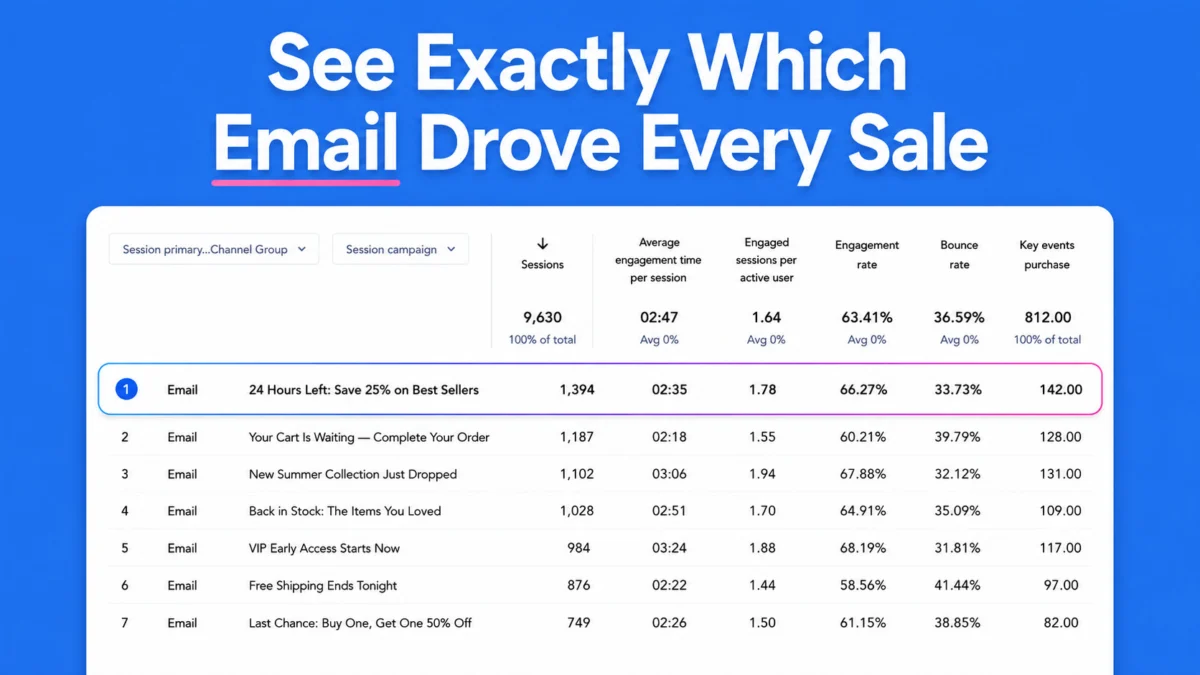
Markizers and business owners have long faced a persistent challenge in digital marketing: connecting the dots between a specific email broadcast and a final sale on their website. While tracking opens and clicks has always been straightforward, attributing downstream revenue to the exact message or subject line that initiated a buyer’s journey often required tedious manual URL tagging or complex workarounds. To address this friction, email marketing platform AWeber has rolled out a new feature designed to eliminate manual setup entirely by automatically embedding UTM parameters into every outgoing link.
Announced by Dave Stys on July 7, 2026, the update automatically tags every link across every email sent through the platform right before delivery. For digital marketers relying on analytics suites like Google Analytics to measure campaign success, the integration means that performance data is already waiting in their dashboards without requiring any pre-send configuration. By removing the administrative hurdle of manually appending tracking codes to URLs, AWeber aims to give creators and businesses a clearer, more immediate look at how their email communications influence website traffic and sales conversions.
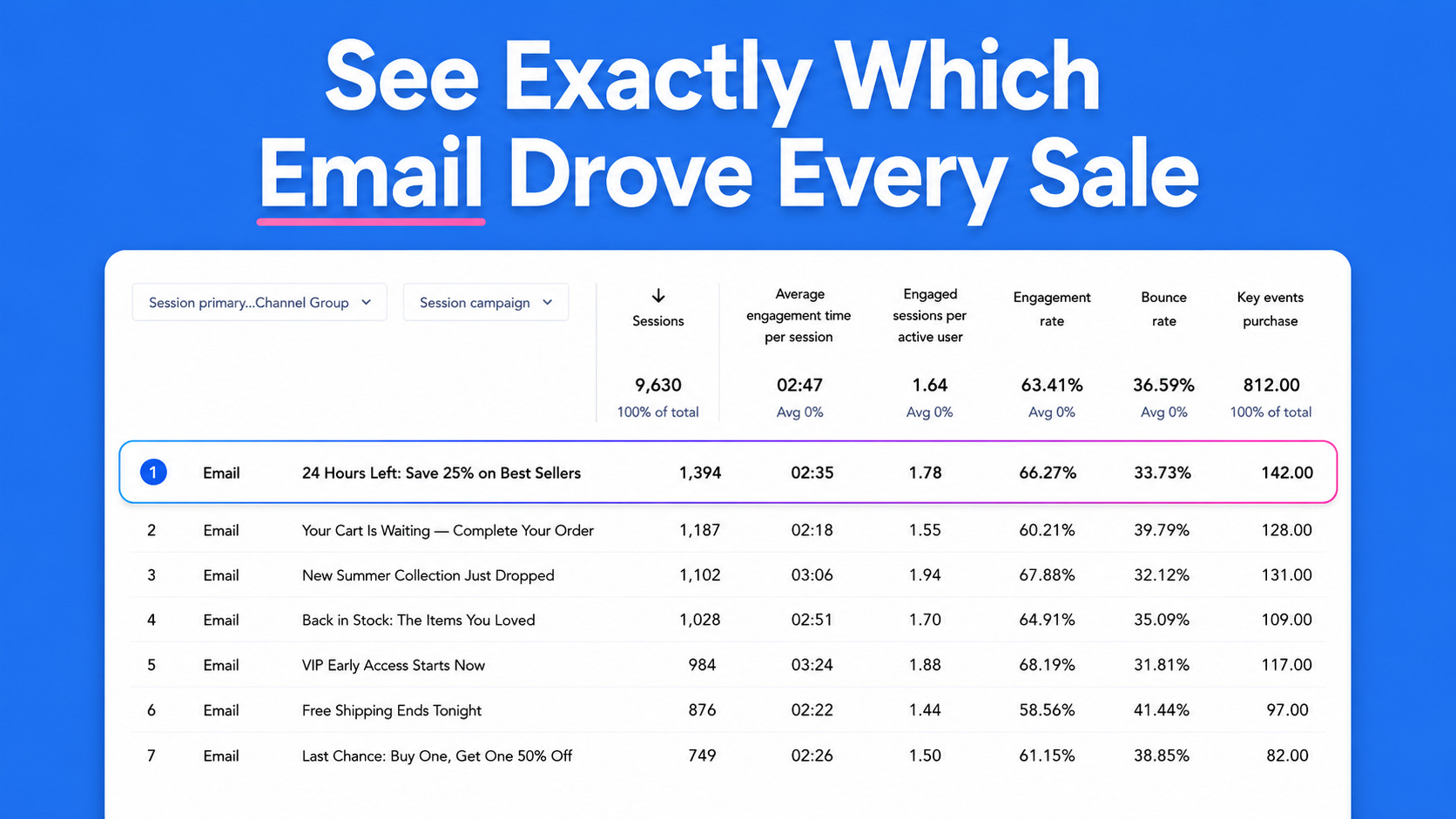
At the core of the update is an automated system that injects three distinct UTM parameters into every link at the exact moment of dispatch. Rather than forcing users to manually construct and paste tracking URLs for every broadcast, the platform dynamically generates a unique campaign label in Google Analytics for each individual email sent. Notably, these campaign labels are named directly after the email’s subject line. This design choice allows marketers to immediately compare the performance, traffic generation, and conversion efficacy of different sends side-by-side, entirely bypassing the need to manipulate individual destination links.
Despite the automation, the system has been engineered to respect existing tracking protocols established by advanced users. Marketers who already prefer to append their own custom UTM parameters to specific links will find that their efforts remain undisturbed. AWeber’s detection mechanism is programmed to identify pre-existing UTM parameters and leave them completely intact. The platform will not overwrite custom values, ensuring that specialized tracking setups, multi-tiered attribution models, and internal tagging conventions continue to function without interruption.
The true value of automated tracking manifests when marketers analyze user behavior and conversion data within their analytics platform. By navigating to the traffic acquisition section of Google Analytics and filtering by the designated source and medium parameters—specifically looking for the "aweber / email" attribution—professionals can view each distinct email broadcast as an independent campaign. This visibility shifts the focus from broad metric gathering to granular performance evaluation.
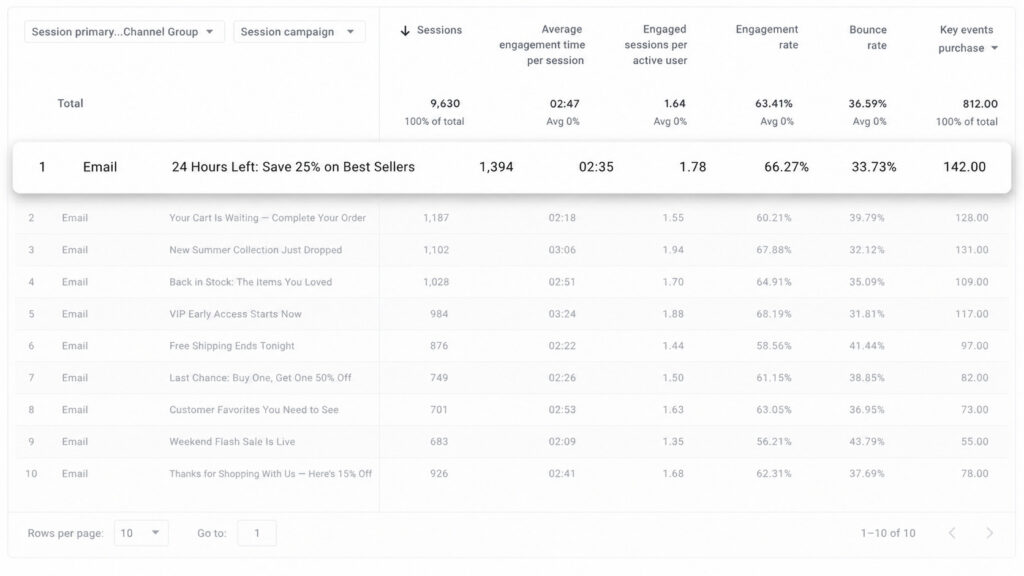
When reviewing the last several sends, digital strategists gain the ability to isolate specific messaging patterns. They can easily identify which messages successfully drove high-volume traffic, which ones translated interest into actual conversions, and which emails ultimately fell flat with their audiences. This level of insight allows email marketers to refine their copywriting strategies, test different subject line angles with empirical backing, and optimize future broadcasts based on hard conversion data rather than guesswork.
For users wishing to manage this capability, the automatic tagging feature is enabled by default across all AWeber accounts, ensuring that organizations can begin gathering attribution data immediately without altering their established workflows. However, the platform also provides administrative control for those who prefer to customize their account environments. Account administrators can adjust the tracking settings on a list-by-list basis through their standard list settings menu. Any adjustments made to these preferences take effect immediately on the very next scheduled or broadcasted send, giving users ultimate flexibility over their data collection practices.
The rollout reflects an ongoing industry-wide movement toward simplifying data attribution for small-to-medium businesses and independent creators. As marketing channels become increasingly crowded, the ability to accurately measure return on investment from email campaigns remains a vital component of sustainable digital growth. By automating the foundational layer of web analytics tagging, AWeber’s latest update bridges the gap between inbox engagement and website revenue, offering a streamlined path from sending an email to measuring a completed sale.