For years, a recurring narrative has surfaced across media outlets claiming that populations in wealthy nations are consuming far too much protein. These articles frequently caution consumers, demonize perfectly healthy meals that happen to be protein-dense, and present a fundamental misunderstanding of how the human body utilizes macronutrients. Yet, when examining the actual science behind nutrition, dietary allowances, and metabolic function, a very different picture emerges—one that reveals the "too much protein" narrative to be largely a myth.
It is true that many individuals consume amounts of protein that exceed the official Recommended Daily Allowance (RDA). However, this is not inherently a problem, as the RDA is designed to serve as a baseline minimum rather than an optimal target or an upper limit. While modern markets are indeed saturated with trendy, highly processed, protein-boosted packaged foods that may not always align with a wholesome diet, these commercial products are distinct from whole-food sources of protein. Furthermore, while a healthy diet can certainly be achieved with minimal or no meat, meat is not synonymous with protein. To understand whether current dietary habits are genuinely problematic, it is necessary to examine what nutritional science actually demonstrates about protein’s role in human health.
What Foods Contain Protein?
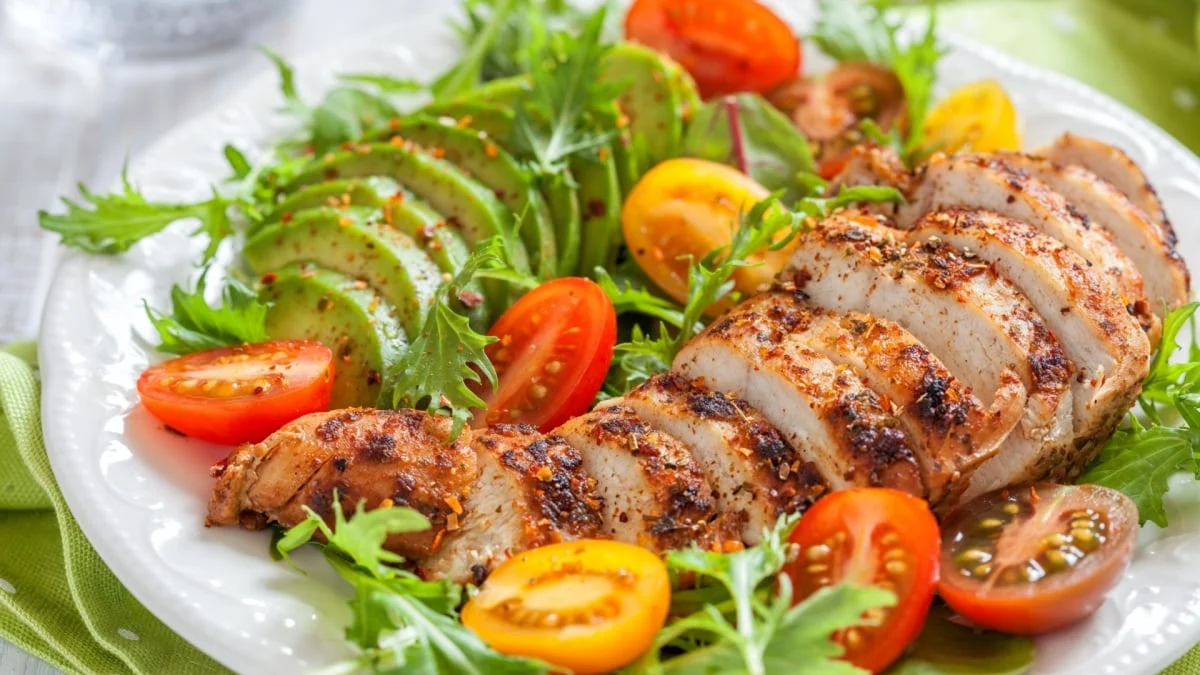
As a fundamental macronutrient alongside fats and carbohydrates, protein is composed of amino acids, which are essential for cellular growth, structural repair, and daily physiological function. Dietary protein is widely available across a diverse spectrum of foods. Animal products are notably protein-dense; a standard chicken breast provides approximately 35 grams of protein, while dairy and eggs also offer substantial amounts.
Plant-based foods typically contain lower concentrations of protein per serving than animal sources, yet individuals following strict vegan or vegetarian diets can readily meet or exceed their protein requirements through foods such as beans, whole grains, lentils, and soy-based products like tofu. Before evaluating whether any given amount of protein is excessive, it is vital to establish what constitutes an adequate intake.
The RDA Is Meant to Be Considered a Minimum
Government nutritional agencies establish nutrient targets to guide public health policies, school lunch programs, and the daily value percentages listed on nutrition labels. Among these benchmarks is the Recommended Daily Allowance, which is officially defined as the average daily dietary intake level sufficient to meet the nutrient requirements of nearly all, or 97 to 98 percent, of healthy individuals within a specific demographic group.
In practical terms, if an entire population were to consume exactly the RDA of protein, approximately 97 percent of those individuals would be receiving just enough to avoid deficiency. This figure represents a survival threshold designed to prevent malnutrition rather than an ideal recommendation for vibrant health or a maximum limit beyond which harm occurs.
The methodology used to determine the protein RDA is based on nitrogen balance. The human body continuously breaks down its own proteins during normal metabolic activity, excreting nitrogen as a byproduct. When an individual consumes enough protein, which naturally contains nitrogen, the amount of nitrogen excreted matches or falls below the amount ingested. If nitrogen excretion exceeds intake, the body is breaking down its own muscle tissue to compensate. Therefore, the RDA simply ensures that this destructive breakdown does not occur.
There Is No Maximum Amount of Protein for Healthy People
Nutritional science distinguishes between minimum requirements and upper limits. For certain vitamins and minerals, regulatory bodies establish a tolerable upper intake level, or UL, indicating that consumption beyond that specific threshold poses potential health risks. However, no such upper limit has been established for protein in healthy individuals.
Consequently, there is no official medical definition for "too much" protein. Consuming quantities above the RDA does not mean an individual is overeating the nutrient; it simply means they are surpassing the baseline survival minimum. For optimal physical function, individuals are generally expected to consume more than the bare minimum.
How Much Is the RDA, and What Are People Actually Eating?
The official RDA for protein is set at 46 grams per day for a standard 125-pound woman and 56 grams per day for a 154-pound man, calculated at a rate of 0.8 grams of protein per kilogram of body weight, or roughly 0.36 grams per pound. Based on these figures, a 200-pound individual would require approximately 72 grams daily.
Comprehensive dietary surveys conducted by the United States Department of Agriculture indicate that adult men average between 90 and 100 grams of protein per day, though intake declines to approximately 80 grams for men aged 70 and older. Women average roughly 70 grams daily, with women over 70 averaging 62 grams.
While these population averages exceed the baseline RDA, they must be contextualized against actual body measurements. According to federal health statistics, the average American man weighs 200 pounds, and the average American woman weighs 171 pounds. When comparing actual dietary intake to the needs of individuals at these average body weights rather than the idealized baseline models, the supposed excess shrinks considerably. Going slightly—or even moderately—above the minimum requirement is entirely normal and supports overall physiological well-being.
Many Older Adults Do Not Get Enough Protein
While media discussions often focus on excessive consumption, a significant demographic actually falls short of their nutritional needs. Older adults frequently experience a decline in overall food and protein intake, placing them at heightened risk for age-related muscle loss, known as sarcopenia. Individuals typically lose three to five percent of their muscle mass per decade after turning 30, a decline that can be mitigated through adequate protein intake and resistance training.
Federal dietary guidelines indicate that approximately 50 percent of women and 30 percent of men aged 71 and older fail to meet recommended levels of protein foods. Research has shown that older adults who fall short of these targets experience higher rates of physical limitations, such as difficulties with standing, walking short distances, climbing stairs, and performing daily household tasks. While this dynamic involves complex physiological factors, it underscores that the elderly population is not one that would benefit from reduced protein consumption.
Increased Protein Needs During Pregnancy and Lactation
Another large population that benefits from higher protein intake comprises individuals who are pregnant or lactating. Rather than relying on the standard baseline of 0.36 grams of protein per pound of body weight, nutritional guidelines recommend that pregnant and nursing individuals consume approximately 0.5 grams per pound, amounting to roughly 86 grams per day for a 171-pound person.
While increased caloric needs during pregnancy naturally lead to higher food intake, making it easier to reach these targets, the medical focus remains securely on ensuring adequate nutrition rather than restricting intake out of an unfounded fear of excess.
Higher-Protein Diets Support Exercise and Muscle Mass
Athletes and individuals who engage in regular, strenuous physical activity require significantly more protein than the sedentary baseline RDA. While some cautionary articles acknowledge that elite athletes or bodybuilders have elevated protein needs, they often dismiss this as an exception that does not apply to the general public. In reality, millions of individuals participate in regular strength training, endurance running, and other demanding fitness regimens.
Sport governing bodies, including international athletics federations and sports medicine organizations, recommend that athletes maintaining or building muscle consume between 0.54 and 0.9 grams of protein per pound of body weight daily. For a 171-pound woman or a 200-pound man engaging in serious physical training, this can translate to daily intakes ranging well past 150 grams. Recreational runners, weightlifters, and fitness enthusiasts frequently fall into this active category and benefit from fueling their bodies accordingly.
Higher-Protein Diets Support Healthy Weight Loss
Weight management is another area where standard baseline recommendations fall short. Research consistently demonstrates that higher protein intakes, combined with resistance training, are vital for preserving lean muscle mass during periods of caloric restriction. Without adequate protein, weight loss diets can inadvertently cause the body to catabolize muscle tissue rather than burning stored fat.
Clinical studies indicate that protein intakes ranging from approximately 0.48 to 0.72 grams per pound of body weight help dieters maintain muscle mass, enhance feelings of fullness, and reduce the likelihood of weight regain after a diet concludes. This principle is especially relevant in the context of modern weight-loss interventions, where preserving muscle size and metabolic health is a primary clinical priority.
Does "Too Much" Protein Turn Into Fat?
A common argument in articles warning against protein is the claim that excess protein is converted into body fat. Scientifically, consuming more energy than the body expends—regardless of whether that excess originates from protein, carbohydrates, fats, or alcohol—will result in energy storage as fat.
If an individual adds substantial amounts of protein on top of an already sufficient caloric intake, the body will utilize the extra amino acids for energy, and any resulting caloric surplus will be stored. However, when protein is used to replace less nutrient-dense foods within a stable caloric framework—such as substituting lean poultry for processed snacks—total energy intake remains constant, preventing surplus fat storage. As long as daily caloric intake aligns with energy expenditure, additional dietary protein does not inherently cause weight gain.
Potential Risks and Medical Exceptions
For the vast majority of healthy individuals, high-protein diets do not cause adverse health consequences. However, specific medical conditions require strict limitation of protein intake.
Individuals diagnosed with chronic kidney disease are frequently advised to maintain protein intake near the RDA threshold, as impaired kidneys face increased workload when processing nitrogenous waste products resulting from protein metabolism. Once a patient reaches advanced stages requiring dialysis, however, medical guidance often shifts to recommend increased protein intake to support overall health during treatment. Other rare metabolic disorders, such as phenylketonuria, also necessitate medically supervised low-protein diets. Individuals managing these conditions receive targeted guidance from specialized healthcare teams rather than generalized internet advice.
Evaluating Scientific Studies on Protein
Occasional studies linking high protein consumption to negative health outcomes frequently circulate through the news cycle, prompting public confusion. These reports often examine narrow biochemical mechanisms rather than evaluating holistic health outcomes. For example, research investigating how specific amino acids like leucine interact with cellular pathways, such as the mTOR pathway, has occasionally generated headlines warning of cardiovascular risks.
While such fundamental biological research provides valuable insights into cellular function, the broader body of scientific evidence does not support lowering general protein recommendations or establishing an upper intake limit for healthy populations. The known benefits of adequate and elevated protein intake for muscle preservation, metabolic health, and physical function continue to outweigh isolated theoretical risks.
Ultimately, widespread arguments claiming that populations are consuming dangerous levels of dietary protein lack substantive scientific backing. While conversations surrounding protein consumption frequently intersect with broader environmental discussions regarding meat production and agricultural practices, conflating sustainability debates with human health requirements creates unnecessary nutritional confusion. For healthy individuals, older adults, active exercisers, and those pursuing weight management, maintaining a protein intake that comfortably exceeds the bare minimum remains a sound and evidence-backed component of overall well-being.