The rapid evolution of digital commerce continues to accelerate as service providers roll out sophisticated new tools designed to help merchants navigate complex global markets, leverage artificial intelligence, and optimize consumer engagement. This week’s curated release of ecommerce solutions spans an array of critical operations, featuring breakthroughs in livestream tools, product discovery, dynamic quiz builders, cross-border shipping, affiliate marketing networks, digital payments, and automated advertising platforms.
As digital storefronts adapt to changing consumer behaviors and the growing influence of agentic commerce, industry players are forging major partnerships and introducing platform integrations that promise to redefine how brands interact with shoppers worldwide.
New Tools and Platforms Empower Merchants
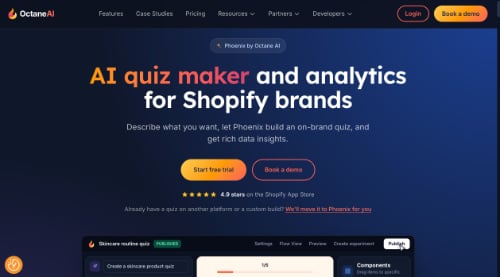
Among the primary developments empowering digital merchants is the introduction of advanced quiz-building technology. Octane AI, a recognized zero-party data and quiz platform, has officially launched Phoenix for Shopify merchants through the Octane AI app ecosystem. The tool is engineered to streamline how online brands collect customer preferences through interactive quizzes. Instead of manually mapping out logic trees and designing layouts, merchants can simply provide a text description of the desired quiz or upload existing materials. Phoenix then handles the heavy lifting, automatically constructing questions, complex logic paths, email opt-ins, and results pages within minutes. Furthermore, the tool includes built-in personalization and continuous experimentation features designed to optimize performance over time, though merchants retain full manual editing capabilities.

Cross-border capabilities are also seeing significant expansion, particularly for sellers operating out of South Asia. Blue Dart, an express delivery and logistics network based in India, has launched International Parcel Connect to facilitate seamless international shipping to the United States. Designed specifically for India-based online sellers and small businesses, the service supports Business-to-Consumer parcels weighing between 50 grams and 11 kilograms. Operating in collaboration with DHL eCommerce alongside Blue Dart’s robust domestic delivery network, the initial launch focuses on U.S.-bound shipments, with upcoming plans to expand coverage into the United Kingdom, the European Union, Canada, and Australia.
Supply chain technology providers are similarly lowering barriers for aspiring digital entrepreneurs. Btab Ecommerce Group has introduced Btab.app, an AI-powered commerce platform built to connect manufacturers directly with online sellers. The platform allows users to conceptualize, design, and launch branded online stores without the traditional burden of purchasing inventory upfront. By describing their vision to the AI platform, merchants can personalize their storefront appearance and immediately begin offering catalog products provided by global manufacturers, their own proprietary items, or a combination of both. The service operates on a free-to-start model with no recurring monthly subscription fees.
The Rise of Agentic Commerce and AI Integrations
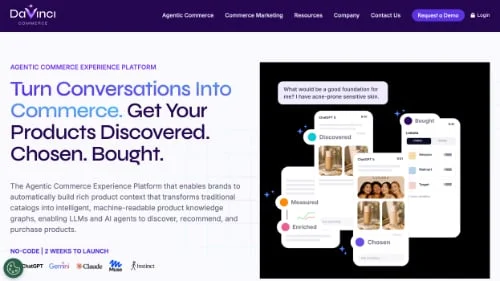
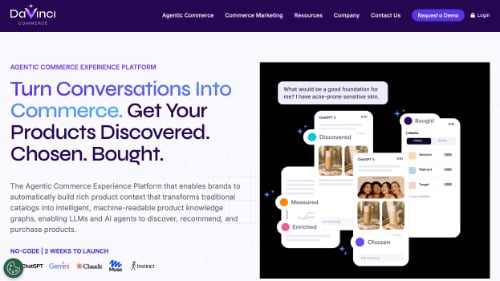
The intersection of artificial intelligence and retail discovery is reshaping traditional shopping journeys, prompting major technology providers to integrate user-generated content directly into AI-driven environments. Bazaarvoice, a prominent consumer product ratings and reviews network, has announced a strategic partnership with agentic commerce provider DaVinci Commerce. This collaboration integrates Bazaarvoice’s extensive library of authenticated ratings and review data directly into DaVinci’s shopping architecture, which includes its newly developed Brand Agent and Product Context Memory technologies. By embedding this verified data into shopping applications operating within OpenAI and other agentic storefront destinations, mutual brand clients can surface authentic social proof precisely where modern AI-driven product discovery occurs.
A similar push toward agentic integration is unfolding at BigCommerce, where parent company Commerce.com has partnered with Cloudflare. This collaboration introduces WebMCP, a technology that builds directly upon the BigCommerce Model Context Protocol Toolkit. While BigCommerce previously exposed server-side shopping actions to external AI agents, WebMCP brings these capabilities directly to AI agents operating inside shoppers’ web browsers. Consequently, AI assistants can seamlessly search, compare, and execute purchases on behalf of consumers directly on BigCommerce merchant storefronts.
Identity resolution and customer recognition are also receiving technological upgrades. TransUnion, well known as a credit-rating and information company, has unveiled Transaction Matching, a solution designed to connect offline or disparate transaction activity directly to verified customer identities. Leveraging the Unknown Shopper tool from global fintech provider Fiserv, the offering enables merchants to recognize previously unidentified shoppers—such as loyalty program members who pay with a new card or consumers utilizing mobile wallets and tap-to-pay methods. Merchants can subsequently enrich these pseudonymized profiles with relevant demographic and lifestyle insights, allowing for a deeper understanding of purchasing patterns and the delivery of tailored offers.
Social Commerce, Affiliate Networks, and Global Payments
Social media platforms and marketplaces continue to intertwine, opening new monetization and discovery channels for digital creators and brands. AliExpress has announced a major global strategic affiliate partnership with YouTube. The collaboration embeds the massive product selection of the AliExpress marketplace directly into the YouTube creator ecosystem, providing content creators with an expanded inventory of items to feature within their videos in exchange for commission-earning opportunities. Following an initial launch in South Korea, the strategic partnership is slated for expansion across four key markets: the United States, Brazil, the United Kingdom, and Germany.
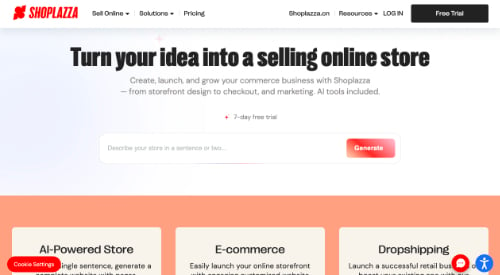
Simultaneously, Shoplazza, an AI-native commerce operating system, has deepened its collaboration with TikTok to support emerging agentic commerce shopping experiences. With TikTok introducing features such as Buy Direct and Shopping Assistant, Shoplazza has been named among its official commerce and payment partners. Buy Direct enables consumers to complete purchases from brands directly within the TikTok application, while Shopping Assistant answers product inquiries using data pulled straight from merchant product pages via TikTok’s in-app browser. Shoplazza merchant administrators can already manage catalog syncing, TikTok Pixel integration, and Events API setups seamlessly.
In the entertainment and living room technology space, Glance—an AI-powered personal shopping platform backed by InMobi—has partnered with Google to bring interactive commerce to Android TV. Supported by hundreds of retailer integrations, the shopping agent functions as a personal concierge, curating products and delivering contextual lifestyle simulations and virtual try-on visualizations through an optional, opt-in experience.
Payment networks are likewise removing friction from international transactions and alternative currency holdings. Klarna Group has launched Consumer FX on a global scale, allowing shoppers anywhere in the world to purchase goods from participating Klarna merchants and pay in their local currency without incurring exchange fees. Connected merchants can now sell to Klarna’s extensive base of 120 million consumers across 26 countries without requiring a new technical integration, a local corporate entity, or a foreign bank account, as Klarna manages foreign-exchange disclosures, consumer consent, and compliance directly.
In the digital asset sector, Mesh has partnered with Visa to make cryptocurrency and stablecoin balances spendable across Visa’s vast global merchant acceptance network. By combining Visa’s ubiquitous infrastructure with Mesh’s orchestration capabilities, consumers can make purchases both in-store and online using the funds stored in their digital wallet applications. Merchants receive standard fiat payments without needing any specialized hardware updates or modifications to their existing checkout workflows.
Advancements in Livestreaming, Creator Marketing, and Analytics
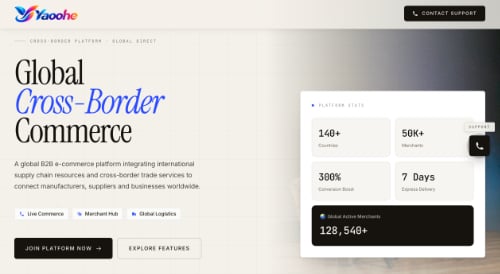
Live video commerce and creator marketing platforms are scaling up their operational capabilities to meet global B2C and B2B demands. Yaoohe, a global B2B ecommerce and digital supply chain platform, has introduced virtual livestream commerce technology designed specifically for business-to-business markets. The system combines unified commerce infrastructure with AI-generated virtual presenters, intelligent product demonstrations, automated livestream schedules, and multilingual digital engagement. This enables merchants to showcase products continuously across multiple time zones while significantly reducing the operational complexities traditionally associated with live commerce.
In influencer and creator management, Roster has expanded its software suite by launching TikTok Creator Discovery and Spark Ads integration. Brands utilizing the ambassador and affiliate platform can now search the TikTok Creator Marketplace and convert high-performing organic posts into paid Spark Ads, with all associated permissions tracked centrally. This development allows social media and paid media teams to coordinate creator marketing campaigns across Instagram, Facebook, and TikTok from a single unified dashboard.
Analytics and feedback intelligence are also advancing. VerifiedViews has introduced Verified Purchaser Intelligence, an AI-powered analytics tool designed to help consumer brands evaluate product ratings, reviews, and open-ended customer feedback. By applying narrative analytics, the platform structures customer commentary into an updated dashboard that highlights recurring themes and emerging issues regarding product performance, packaging design, and perceived value.
Major Acquisitions and Strategic Expansions
Corporate consolidation continues to shape the enterprise software and retail media landscapes. Salesforce has announced plans to acquire Braze, a customer engagement platform specializing in real-time and mobile communications, in a transaction valued at $5.66 billion. Salesforce intends to leverage the acquisition to bolster its marketing capabilities for immediate, personalized interactions across web, mobile applications, email, SMS, and messaging platforms like WhatsApp, integrating Braze’s AI optimization tools with its existing Data 360, Customer 360, and Agentforce ecosystems.
In the retail media space, AdFury has launched a self-service rich media tool aimed at improving digital shelf content. The AI-native tool automatically generates compliant expanded content and rich media assets directly from a brand’s existing product pages. The technology is already operational for products listed on Walmart.com, with integrations for Amazon and other major retailers currently under development.

Supply chain consolidation is similarly expanding physical fulfillment footprints. Stord, an Atlanta-based supply chain and logistics provider, has acquired AMS Fulfillment, a third-party logistics provider handling over 10 million orders annually for direct-to-consumer brands. The acquisition adds more than one million square feet of warehouse space across critical East and West Coast logistics hubs, including facilities in the Los Angeles, Salt Lake City, and Philadelphia metropolitan areas, expanding Stord’s global network to over 100 locations.
Meanwhile, in international retail markets, Walmart-owned Flipkart is reportedly preparing to enter the food delivery sector in India. The Bengaluru-based ecommerce giant has been internally testing a dedicated food-delivery service and has deployed an exclusive fleet of riders through its logistics division, Ekart, operating independently from its existing quick-commerce delivery operations. The company anticipates an official launch and subsequent multi-city expansion before the conclusion of the year.
Finally, advertising creative automation has received a financial boost, with Cuttable raising $20 million in a funding round led by Airtree Ventures, alongside participation from seed backers Square Peg Capital and Rampersand. Cuttable’s platform scans a brand’s existing Meta content and Shopify order data to automatically generate optimized ad creatives. The software tracks specific marketing angles—such as price promotions or product origin stories—while requiring human approval before any advertisements are published to live campaigns.