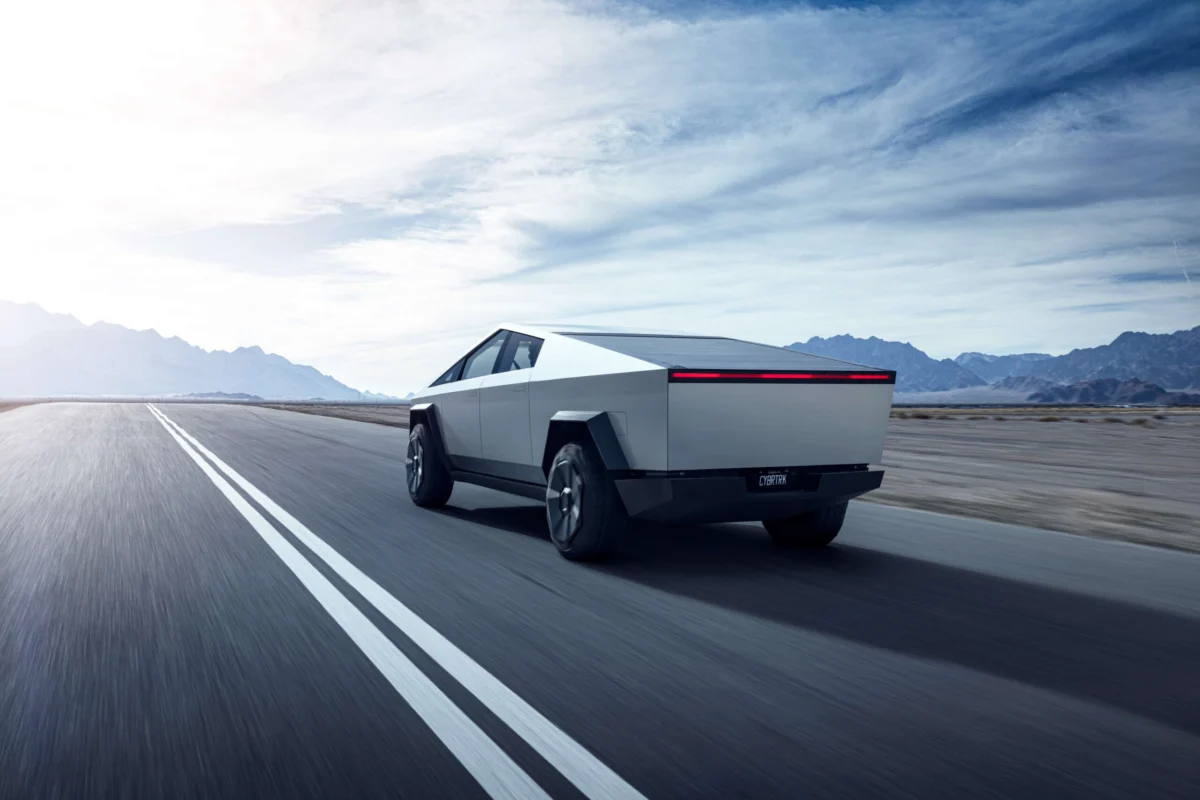
The decision to wind down manufacturing of the futuristic, steel-clad electric vehicle comes after just a few short years of underwhelming sales that fell drastically short of the lofty expectations initially set by company leadership. When Musk handed over the very first few Cybertrucks to eager customers in late 2023, he boldly predicted that Tesla would eventually scale production to sell around 250,000 units per year. The vehicle was originally envisioned as such an essential cornerstone of Tesla’s future that, before construction even began, company executives frequently referred to its massive Texas manufacturing facility as the "Cybertruck factory."
Instead of becoming the mainstream phenomenon Musk promised, Tesla has managed to sell only tens of thousands of the trucks in total over the last three years.
The move to kill off the Cybertruck arrives at a moment when Tesla is aggressively shifting its corporate identity, pivoting hard to become an artificial intelligence- and robotics-focused company. A massive pillar of this new strategic direction is its ambitious robotaxi rollout. Over the past two months, the company has dedicated significant resources to putting its autonomous Cybercabs on public streets in its hometown of Austin, Texas. With no major safety incidents reported to date, Tesla has already stated that it intends to expand its Cybercab operations into other major metropolitan areas, beginning with a launch in Dallas later this month. Alongside these new two-seaters, Tesla also currently operates robotaxi versions of its Model Y SUVs in Austin, Houston, and Dallas, as well as across three separate cities in Florida.
This dramatic pivot marks the third major product line Tesla has discontinued in order to fuel its greater ambitions in autonomy and robotics. Earlier this year, the company made the calculated decision to end production of its aging Model S sedan and Model X SUV. Factory space that was once exclusively dedicated to manufacturing those luxury vehicles was stripped down and repurposed to build Optimus humanoid robots instead.
First announced back in 2019, the Cybertruck was a product that Musk had personally obsessed over for years, viewing it as a passion project that would break the traditional mold of the American automotive landscape. "Probably my personal favorite for the next product is the pickup truck, and we are going to just do an amazing pickup truck," Musk proclaimed during one of Tesla’s quarterly financial earnings calls that same year.
Musk repeatedly promised that the Cybertruck would be radically unconventional, heavily inspired by the gritty, utilitarian designs of cyberpunk science fiction stories like Blade Runner. While that aesthetic vision certainly bore out in the final product’s stainless-steel exoskeleton, the company severely overpromised on the fundamental engineering and pricing basics of the Cybertruck from the very beginning.
During the now-infamous global reveal event in 2019—where head designer Franz von Holzhausen notoriously cracked the Cybertruck’s supposedly unbreakable armor glass windows with heavy steel balls—Tesla boasted that the EV pickup would start at an affordable price of under $40,000 and boast an impressive driving range of up to 500 miles on a single charge. In the end, the production vehicle achieved neither of those ambitious figures.
Instead, the truck faced a series of continuous setbacks, suffering two years of cascading production delays driven in part by the global disruptions of the Covid-19 pandemic. When it finally limped onto the market in late 2023, Tesla handed over the first few Cybertrucks to customers during a surprisingly short, somewhat subdued delivery event by the company’s typically theatrical standards. Standing in a poorly lit truck bed, Musk pitched the vehicle as "the finest in apocalyptic equipment" that was perfectly suited for "late civilization vibes." By the time of that launch, economic reality had set in: the base price of the truck had inflated by roughly 50 percent to around $60,000, while the top-end driving range had shrunk by over 100 miles compared to the original 2019 promises.
The truck has struggled significantly on the open market ever since those initial deliveries. The polarizing, angular design never quite seemed to sit well with mainstream truck buyers, especially when paired with a much higher price tag than anticipated. Furthermore, public perception shifted dramatically during its first full year of commercial sales in 2024. As Elon Musk became a major financial backer of Donald Trump’s presidential campaign, the instantly recognizable and highly unique Cybertruck inadvertently transformed into a rolling target for protesters and political critics. That friction continued to compound into 2025 as Musk assumed a leading role in the federal government efficiency initiatives that resulted in the dismissal of thousands of federal workers, keeping the brand—and the truck—wrapped in ongoing public controversy.