As artificial intelligence tools become ubiquitous in modern marketing workflows, professional networking giant LinkedIn is aggressively reshaping how content is created, monitored, and surfaced on its platform. Recent platform updates reveal a concerted effort by LinkedIn to combat automated noise, penalize generic AI-generated content, and reward genuine human insight. Industry experts warn that marketers who fail to adapt their content strategies risk algorithmic suppression and a severe loss of audience credibility.
The platform’s evolving stance on artificial intelligence comes as LinkedIn confronts a massive wave of automated activity. Over recent months, the professional network has blocked hundreds of thousands of automated comment attempts daily and billions of posting attempts. In addition to algorithmic filtering, LinkedIn has empowered its user base by introducing a dedicated reporting mechanism allowing members to flag content they suspect is low-quality AI output. Analytics dashboards now even provide creators with direct feedback regarding how heavily their audience perceives a given post to be AI-generated.
This enforcement mechanism extends to LinkedIn’s own native feature set. The platform is actively replacing its older "enhance your post" feature—a tool previously criticized for rewriting content in a generic, easily recognizable AI voice—with a strictly proofreading-oriented utility designed exclusively to preserve an author’s unique voice. According to B2Linked founder and CEO AJ Wilcox, who co-created a comprehensive industry breakdown on navigating these changes alongside platform insights, LinkedIn’s multi-layered detection models are currently utilizing user reports as a training mechanism. While flagged comments routinely suffer from severely depressed engagement—effectively pushing them to the bottom of comment sections organically—Wilcox anticipates that direct algorithmic suppression for flagged posts will tighten as detection systems are refined.
The Ideation-Expertise-Polish Model for AI-Assisted Content
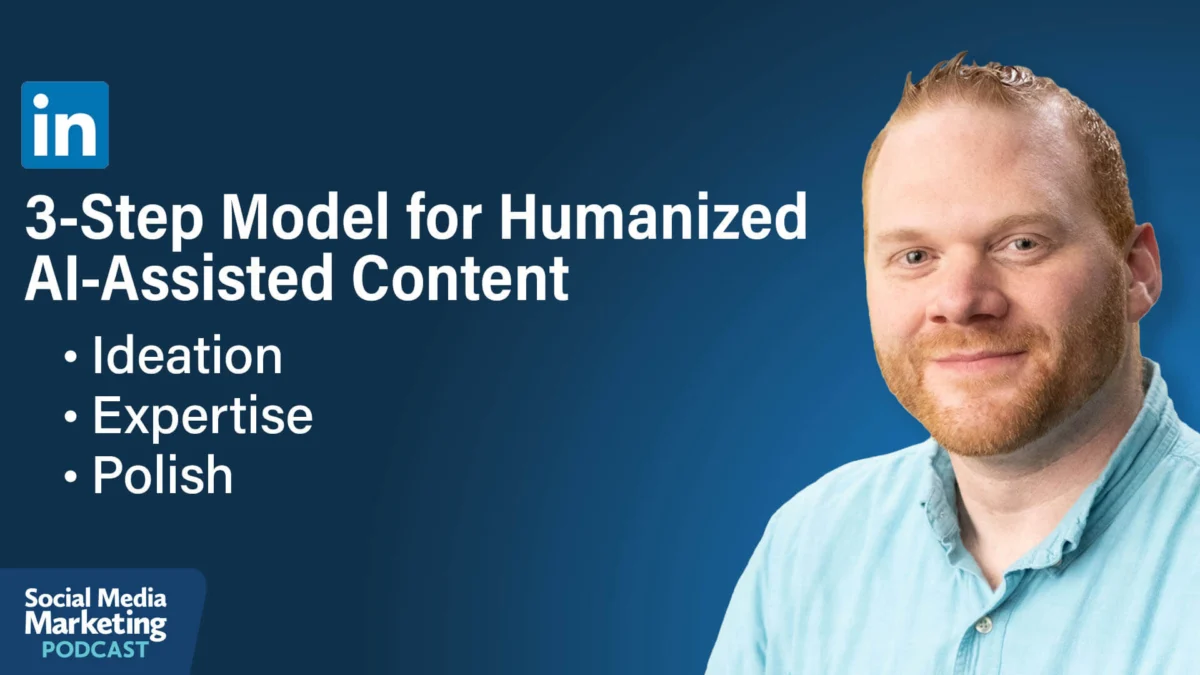
Navigating LinkedIn’s changing landscape requires a strategic departure from fully automated content generation. Wilcox advocates for what he terms the "ideation-expertise-polish" model, an approach that treats artificial intelligence as a supportive bookend rather than a ghostwriter for professional thought leadership.
Under this framework, content creation is divided into three distinct phases. The initial ideation stage leverages AI’s natural strengths in brainstorming, allowing creators to rapidly generate a diverse list of potential angles, structural frameworks, and supporting points around a core topic. This phase prioritizes volume and possibility rather than finished prose.
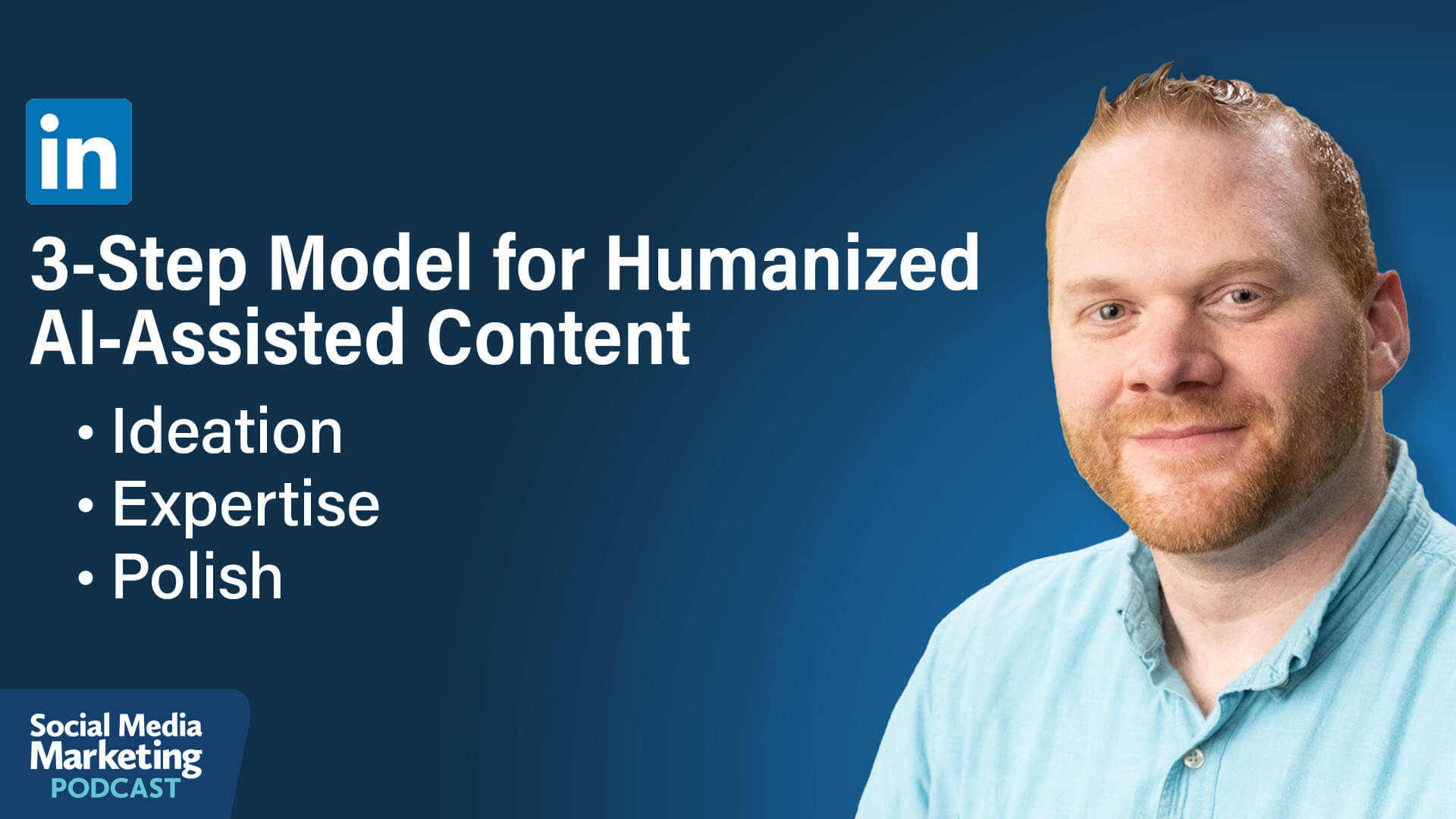
The middle stage, however, belongs strictly to human expertise. This is where creators inject their original experiences, industry-specific insights, and the nuanced perspectives that only come from active professional practice. Wilcox emphasizes that skipping this middle layer is precisely what transforms a piece of writing into recognizable "AI slop," which alienates discerning audiences and triggers platform penalties.
Once the core substance is written in the author’s authentic voice, AI can be reintroduced in the final polish stage. Here, the technology assists with readability, grammatical corrections, and structural formatting to make the text easier to scan. By editing existing thoughts rather than generating fresh prose from scratch, creators maintain their authentic brand voice while benefiting from efficiency.
Maintaining authenticity also means avoiding common stylistic "tells" that immediately flag content as machine-generated to readers. Automated writing models frequently overuse specific punctuation marks, such as em dashes, at a frequency far higher than typical human writers. Similarly, abrupt changes in commenting style, such as the sudden insertion of out-of-character emojis or dramatic catchphrases like "this is silently killing you," immediately foster audience skepticism. While some creators have experimented with intentionally introducing typos to appear more human, experts caution that automated tools can easily replicate imperfections, making deliberate errors an unreliable defense. Ultimately, content that delivers genuine substantive value rarely faces backlash, as audiences respond to depth rather than surface-level polish.
Strategic Shifts in Posting Frequency and Engagement
Beyond content drafting, platform algorithms continue to evolve regarding timing, frequency, and community interaction. When publishing original updates, optimal scheduling remains critical for maximizing initial visibility. Data-backed scheduling recommendations point to Tuesday and Thursday as the strongest publishing days for creators aiming for a twice-weekly cadence, while Wednesday serves as the premier single day for a once-per-week schedule. Mondays and Fridays are generally less effective due to competing professional distractions as the workweek begins and concludes.
Publishing frequency requires equal discipline. Experts strongly advise against posting multiple times within a single day, as a secondary post invariably cannibalizes the reach and engagement of the first. Because LinkedIn’s algorithm prioritizes the most recent update, publishing too frequently prevents previous posts from gaining necessary momentum, even though platform adjustments over the past year have theoretically allowed older posts to remain visible in feeds longer.

Simultaneously, LinkedIn has transformed the commenting ecosystem into a standalone growth channel. Comment impressions are now publicly visible to individual accounts, allowing micro-creators and new voices to measure and expand their reach by contributing to larger industry discussions rather than relying solely on original post creation. Furthermore, comment threads are displayed more prominently in the feed, with personalized comment recommendations replacing generic top-comment labels. Platform metrics indicate that overall time spent within comment sections has risen significantly year-over-year.
To capitalize on this shift, creators are increasingly prioritizing "comment density"—the depth and intellectual substance of a conversation—over sheer volume or superficial remarks like "great post." Engaging deeply with the core ideas of a post and prompting broader community dialogue with open-ended inquiries helps align an account with the platform’s algorithmic preferences. The highest impact for these conversational contributions occurs within the first one to two hours following a post’s initial publication.
Emerging Tools for Live Streaming and Advertising
Platform updates have also introduced new technological capabilities for video creators and advertisers. LinkedIn has rolled out AI-powered tools designed to solve historical discoverability challenges associated with live streams. These features automatically analyze long-form video broadcasts to identify standout moments, generate short-form clips, and create automated chapter markers for replays. This drastically reduces the production overhead that often discourages executives and company leaders from producing video content, allowing them to record conversational interviews that the system can automatically parse into high-performing short clips.
Within the advertising ecosystem, LinkedIn has similarly integrated automated text-generation features to assist with headline and introductory copy creation. However, media buyers are urged to exercise caution regarding specific platform recommendations. While LinkedIn’s native guidance suggests running five or more ad variations per campaign to lift click-through rates, experienced B2B marketers warn that exceeding this threshold can disrupt internal frequency caps. Running too many creatives forces the system to treat each variation as a distinct ad in separate auctions, driving up costs by repeatedly exposing the same audience members to redundant messaging. Maintaining a disciplined inventory of two to four ad variations per campaign provides sufficient testing flexibility while keeping acquisition costs controlled.