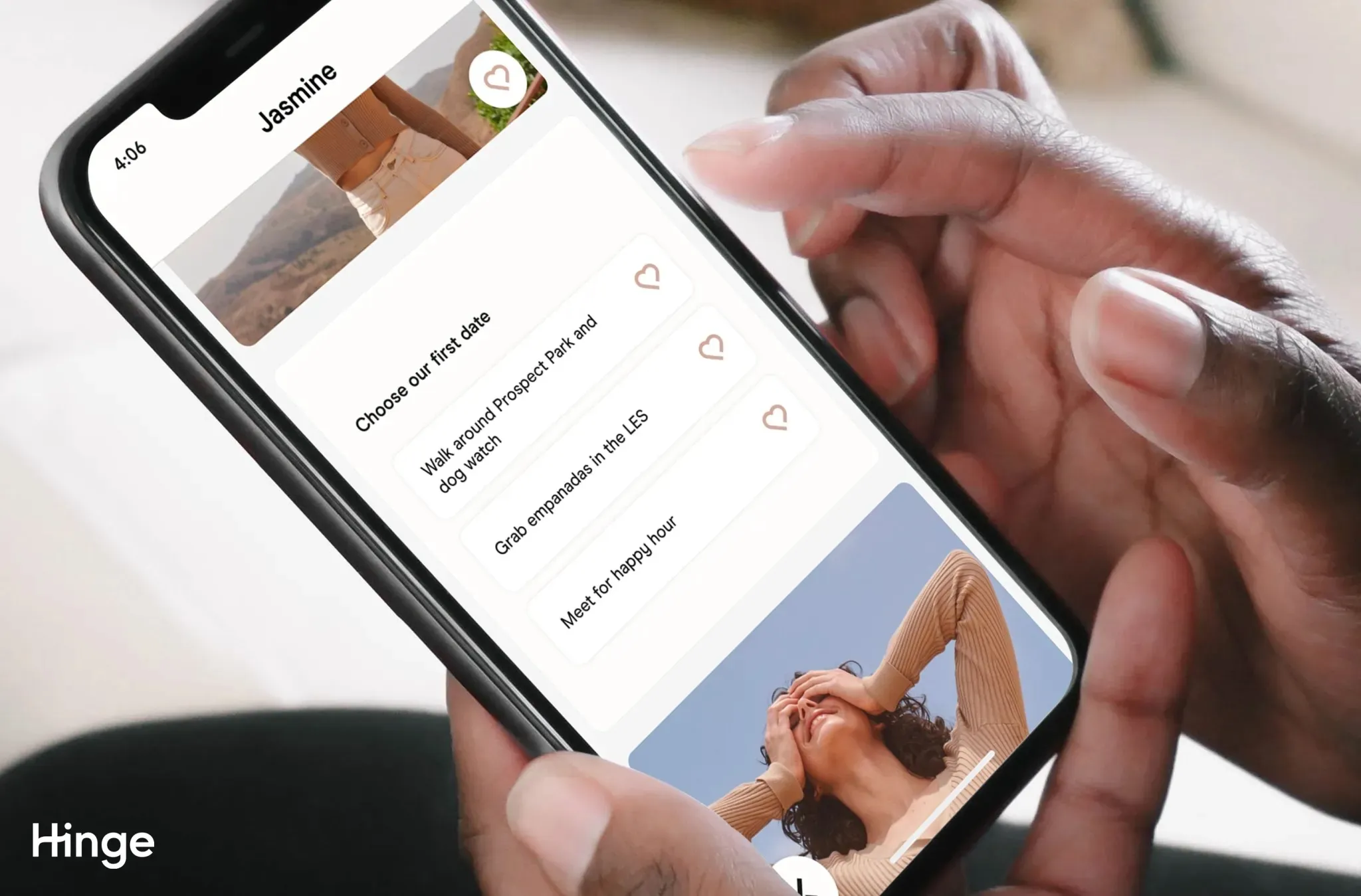
During its third-quarter 2026 earnings call on Monday, Match Group executives revealed that the new Hinge tier will incorporate targeted features such as additional filters and custom location boundaries. These additions are designed to give users significantly more control over precisely who they see and where they choose to meet potential partners.
"It’s designed for women in particular, but also for price-sensitive users," said Steve Bailey, chief financial officer of Match Group, explaining the strategic thinking behind the rollout. "Remember that Hinge is one of the highest-priced products we have. The revenue per payer, for example, at Hinge is almost twice that of Tinder, around $30. It also has one of the lower payer penetrations. Its payer penetration is only slightly more than half that of Tinder."
Match Group did not disclose the exact pricing for the upcoming lower-priced subscription tier. TechCrunch has since reached out to the company to gather further details regarding the rollout and potential test markets.
This strategic pivot arrives as dating apps across the board continue to struggle to convince modern consumers to pay for digital services that they are growing increasingly tired of using. A combination of widespread subscription fatigue, the psychological toll of endless swiping, and general frustration with the modern digital dating experience has left many users questioning whether premium dating app features are genuinely worth their hard-earned money.
Interestingly, Hinge is rolling out this cheaper tier despite currently standing as one of Match Group’s absolute strongest financial and operational performers. The app experienced a notably more successful quarter than its sister platform, Tinder. Global monthly active users on Hinge grew by 12 percent year over year, while direct revenue increased by 19 percent. Furthermore, paying users rose by 23 percent to reach 2.3 million. By the end of the quarter, the app had generated $221 million in direct revenue, defined as money earned directly from subscriptions and in-app purchases.
By comparison, the massive legacy platform Tinder brought in $480 million in direct revenue during the same period, but experienced a slight two percent decline year over year. Although Tinder maintains a much larger user base with 8.9 million paid subscribers, that figure also represents a four percent decline from the previous year.
The introduction of a lower-priced subscription option could help Hinge build substantially upon its current market momentum. By lowering the financial barrier to entry, the app may successfully convert a larger volume of active users into paying customers without requiring them to commit to steep upfront costs.
This development also marks a clear evolution in Hinge’s overall subscription strategy. Back in 2023, the platform experimented in the opposite direction by testing a much more expensive tier priced at around $60 per month. That pilot program was specifically targeted at power users who were willing to pay a heavy premium for advanced features designed to maximize their chances of finding a match. Now, the company is testing whether a more accessible, affordable option can successfully capture a broader audience.
Nevertheless, introducing cheaper subscription tiers on its own is unlikely to solve the overarching structural challenge currently facing the entire dating app ecosystem: chronic user fatigue. Match Group leadership acknowledges that while user burnout remains a hurdle, they are beginning to observe encouraging signs of improvement. Much of this progress is credited to deliberate corporate efforts to reinvent platforms so they feel less like traditional, screen-bound dating apps.
Recent initiatives from the parent company include the rollout of features like Group Hangouts and real-world Events, both of which provide users with alternative, low-pressure ways to connect organically beyond the standard, repetitive one-on-one matching experience. Match Group has indicated that it intends to significantly ramp up these real-world connection efforts throughout the fourth quarter.
Another major initiative on the immediate horizon is the implementation of real-time adaptive recommendations, which the company plans to begin testing before the end of the year. First announced during the CEO Connection presentation in September, this upcoming technological feature will allow Tinder to respond to user actions within seconds rather than hours. The ultimate goal is to make platform recommendations substantially more relevant, dynamic, and personalized for every individual user.