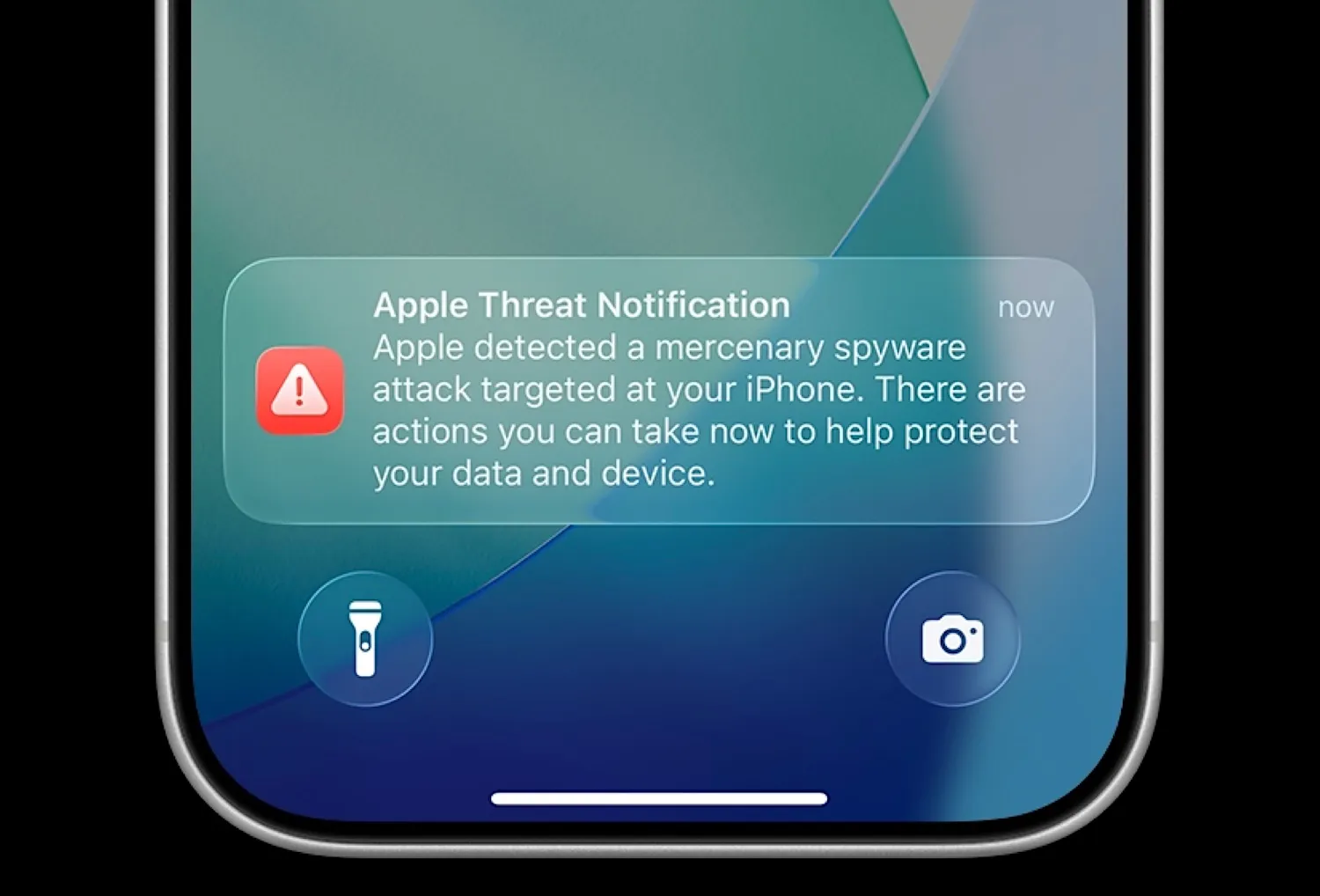
The German government has issued a formal warning to politicians and public figures across the country, advising them that they have been explicitly targeted by sophisticated, government-backed spyware. This urgent security advisory comes just days after tech giant Apple began issuing direct notifications to individuals warning that their iPhones may have been compromised by state-sponsored cyber actors.
The Federal Office for Information Security, Germany’s primary cybersecurity agency known by its German acronym BSI, released a note over the weekend confirming that it had become aware of a fresh wave of threats. According to the agency, members of the Bundestag—Germany’s federal parliament—alongside several other unnamed notable public individuals, had received alarming threat notifications from Apple indicating they were targets of targeted cyberattacks.
Addressing the gravity of the situation, German government spokesperson Stefan Kornelius told the Financial Times that the administration in Berlin is taking both the incident and the underlying warnings “very seriously.” However, the government stopped short of identifying specific individuals within the federal apparatus who may have been targeted, declining to comment on whether high-ranking officials, such as German Chancellor Friedrich Merz, were among those compromised or targeted by the malicious software.
Apple periodically dispatches threat notifications to users worldwide when its internal security systems detect patterns indicating that a specific device has been targeted by state-sponsored mercenary spyware. These advanced digital intrusion tools are capable of quietly harvesting a wide array of sensitive data, including private messages, precise location history, emails, photos, and other confidential files stored on the device.
Compounding the danger, this category of spyware frequently relies on what security researchers call zero-click exploits. These highly sophisticated methods allow attackers to compromise a device completely invisibly in the background, requiring no interaction, such as clicking a malicious link or opening an infected file, from the targeted victim.
Because of the extreme sensitivity surrounding intelligence operations and the risk of exposing ongoing security investigations, Apple maintains a strict policy of not attributing specific attacks to particular nation-states, nor does it definitively confirm whether a user’s phone has actually been successfully breached. Due to this opacity, the BSI has urged extreme caution, advising anyone who receives an official Apple threat notification that they “should therefore assume that their device may have been compromised.”
The recent wave of Apple alerts has not been confined to Germany. Individuals across the globe have reported receiving similar stark warnings about state-sponsored intrusion attempts. Radwan Mortada, a prominent filmmaker based in Beirut, revealed in a public post on social media platform X that he had received a fresh threat notification from Apple. The alert warned him that the company had detected “another attack against your device,” arriving years after an earlier spyware attack had targeted him back in 2021.
Despite the widespread nature of the alerts, it remains entirely unclear who is orchestrating this latest global campaign or which specific government may be behind the targeting. According to the broader operational notices dispatched by Apple—some of which were shared by recipients like Mortada—the latest batch of threat notifications was sent out to users spread across 99 different countries, illustrating the truly global scale of modern digital espionage.
This latest episode once again thrusts into the spotlight the murky and controversial multi-billion-dollar market behind the growing number of cyberattacks directed against members of civil society, journalists, dissidents, and political figures. Sovereign governments rarely develop these invasive hacking tools internally; instead, many procure them from private entities often referred to in the cybersecurity industry as “mercenary spyware” makers.
The most prominent and widely scrutinized firm in this sector is Israel’s NSO Group, the creator of the controversial Pegasus spyware. Pegasus has repeatedly made international headlines for its deployment against political opposition figures, journalists, and human rights activists. Ironically, even state security agencies in democratic nations have engaged with this market. Reports have previously indicated that Germany’s own central federal law enforcement agency, the Federal Criminal Police Office, or BKA, covertly purchased access to the Pegasus spyware platform back in 2019 to aid in domestic investigations, underscoring the complex and pervasive nature of the modern mercenary spyware trade.