Securing initial customers is widely recognized as one of the most grueling and high-stakes challenges in business. Even when young companies manage to generate early interest and capture initial attention, there is rarely any guarantee that those customers will stick around for the long haul.
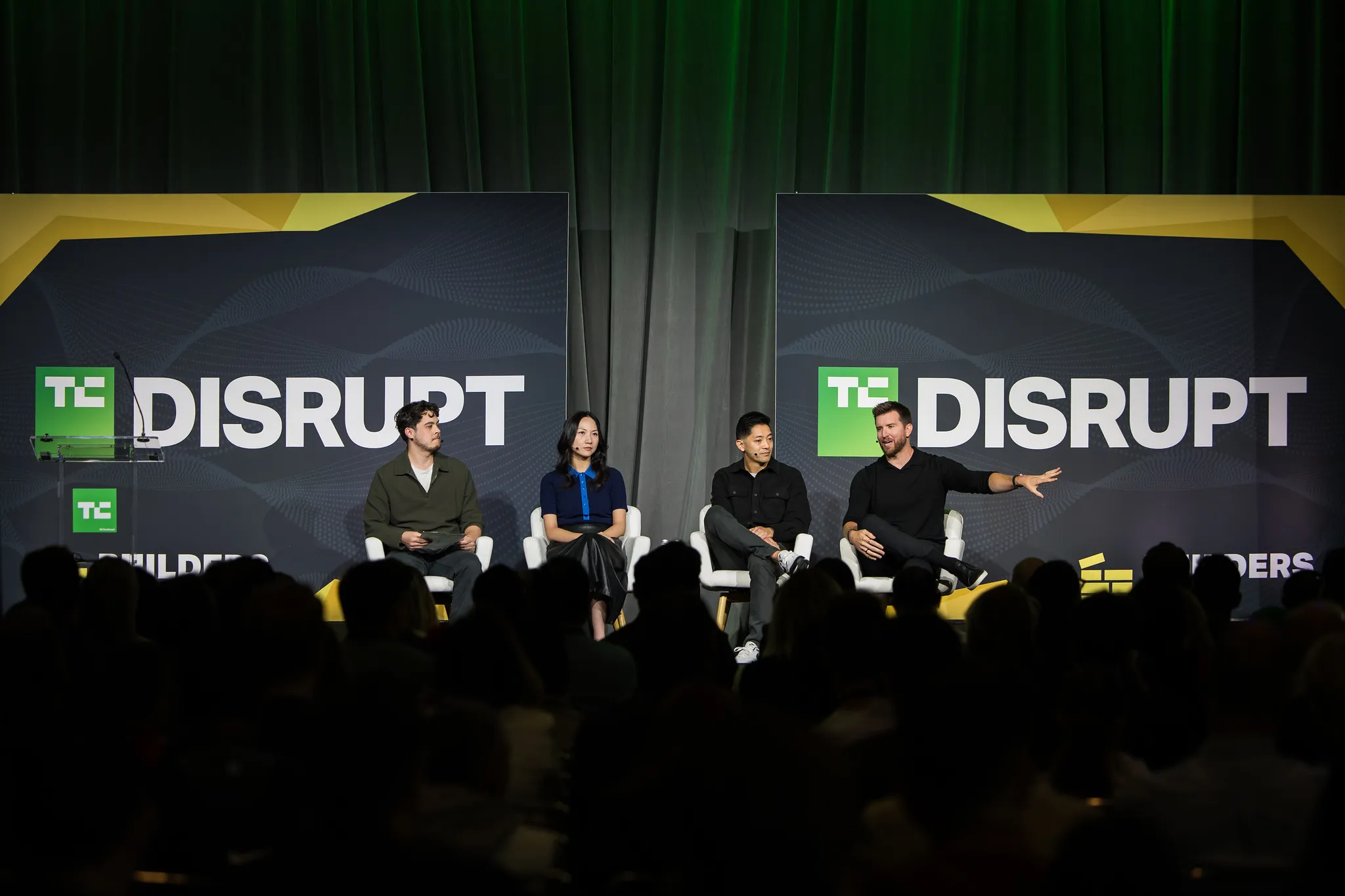
At TechCrunch Disrupt, industry leaders gathered to address this foundational hurdle. Elia Wallen, founder and CEO of travel startup Engine; Grant Lee, founder and CEO of Gamma; and Crystal Huang, general partner at Google Ventures, took the stage to share practical tips and hard-earned wisdom on how startups can effectively attract and retain customers in a fiercely competitive market.
In the current era, young artificial intelligence companies like Cluely and Instinct are successfully building massive audiences not just through their software products, but also through their founders’ colorful and visible online presences. Because of this trend, social media can easily seem like a magic bullet for reaching early customers. However, founders who want to elevate their business strategy with modern marketing must approach it with careful strategy, according to Lee.
Gamma, which sells AI-powered presentation software, managed to scale its business exponentially by deploying a clever social media strategy that leveraged influencers through its Ambassadors—or “Gambassador”—program. The company adopted this forward-thinking plan long before influencer-based marketing became a tried-and-true, standardized playbook for smaller technology companies. Ultimately, this approach helped propel Gamma to a multi-billion-dollar valuation, with the company reaching a significant milestone of $100 million in annual recurring revenue.
Despite Gamma’s success, simply giving influencers a platform and telling them to promote a brand online does not automatically translate to sustainable sales or long-term growth, Lee cautioned. There is a lot more depth and operational effort required behind the scenes.
"If you have a product that can serve many different segments or use cases, then you want to basically have creators that can target each one of those," Lee explained during the panel discussion. "If you have folks that are in consulting versus people that do all their marketing and create all the decks for their CMO, there’s all these different segments you might want to go after."
Lee noted that founders sometimes make the mistake of treating creator marketing or influencer marketing as a sort of "set it and forget it" campaign. Instead of treating influencers as passive billboards, startups need to invest significant time and energy into building genuine relationships with them.
"I think you’re better served by really spending a lot of time with these creators, because if they’re not able to understand how to articulate the value of your product, it doesn’t matter how much money you spend, it’s just going to fall flat," Lee added, emphasizing that comprehension and authentic advocacy are critical for conversion.
While social media and creator programs have proven transformative for certain companies, the ultimate effectiveness of digital marketing depends largely on the specific industry, business model, and target audience. Other, more traditional ways of reaching customers can be just as effective—if not significantly more so—depending on the nature of the enterprise.
Elia Wallen understands this dynamic firsthand. His company, Engine, which manages lodging and travel bookings for midsize businesses, bootstrapped its way to an impressive $150 million in bookings before ever taking on outside venture capital funding. Notably, the company achieved this rapid and massive growth with virtually no visible social media strategy at all. For Wallen, time-tested traditional sales tactics can be far more valuable and reliable than a viral TikTok video or a trending social media post.
"We did events and we smiled and dialed," Wallen said, describing the gritty early days of building his company. "We still have a lot of people picking up the phone. A lot of people who didn’t grow up with that or don’t understand it think that it’s outdated or it doesn’t work, but it does. It’s a hard thing. There are a lot of companies that just refuse to do it or don’t know how to do it well. But they’re missing out on a very big offline client base."
Reiterating the enduring power of direct communication, Wallen added simply, "The phone still works."
Wallen also shared a memorable, highly unconventional in-person engagement tactic that his company deployed during its scrappy early days to stand out at crowded industry events. In an effort to draw foot traffic, Engine hired a professional magician named David to perform close-up magic tricks for prospective clients at conferences and actively encourage them to visit the startup’s exhibition booth. This anecdote highlighted a broader point: old-fashioned personal engagement and creative, boots-on-the-ground marketing can work just as well, if not better, than the latest digital tricks circulating online.
Once a startup manages to secure its initial wave of customers, the next critical challenge is retention and identifying genuine product-market fit. Crystal Huang, a general partner at Google Ventures who has managed scores of startups and successfully shepherded them through their growth phases, emphasized that immense strategic value can be derived from closely analyzing how early users interact with the product.
"Can you look into usage data and figure out if it’s recurring, if it’s increasing, if they are referring their friends?" Huang asked the audience, pointing out the key behavioral metrics founders should monitor. "It can come across in early usage and retention information as well. And then also, do you see some super fans, right, who even want to work at the company, promote the company, be attached to the brand?"
Building a loyal community around a product requires more than just functional software; it demands a deliberate effort to cultivate passionate advocates who believe deeply in the company’s mission.
"You need to have ways to create evangelists who are really passionate about the product," Huang concluded.