By Sean Tinney | June 16, 2026
In the fast-paced world of digital marketing, capturing a consumer’s attention in a fraction of a second is vital for commercial success. Long before a potential customer reads a headline, evaluates a product’s features, or considers a price tag, they experience an immediate psychological reaction driven entirely by color. Industry research indicates that up to 90 percent of a subscriber’s initial impression of an email message or website is based on color and visual cues alone.
Understanding the psychology of color has thus become one of the most powerful tools available to marketers, brand strategists, and digital designers. Color instantly sets a mood, evokes specific emotions, and can either heavily support or severely detract from the perceived value of an offering. Market surveys consistently highlight the weight consumers place on these visual elements, with roughly 84.7 percent of surveyed consumers stating that color plays a primary role when purchasing a product. Furthermore, strategic use of color can increase overall brand recognition by up to 80 percent, cementing its status as a foundational pillar of modern brand identity.
By examining how different shades influence customer perception, businesses can better align their visual assets—such as websites, landing pages, sign-up forms, and email campaigns—with their core messaging and strategic goals.
How to Use the Psychology of Color in Marketing
The connection between color choice and customer perception is well-documented across academic and market research. When consumers think of their favorite brands, they almost invariably associate them with specific hues. These associations are not accidental; they are rooted in how human physiology and psychology respond to light and color spectra.
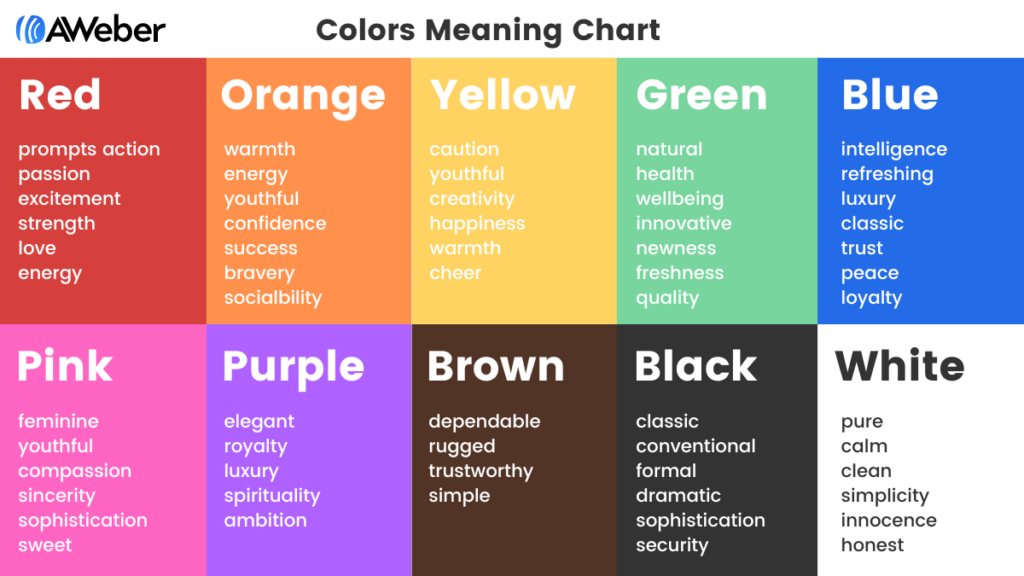
Different colors trigger distinct chemical reactions and emotional states within the human body. For instance, cool tones often promote tranquility, while warm tones stimulate energy and urgency. By mapping these emotional responses to marketing objectives, brands can guide consumer behavior more effectively without relying solely on copywriting.
The Meaning of Blue
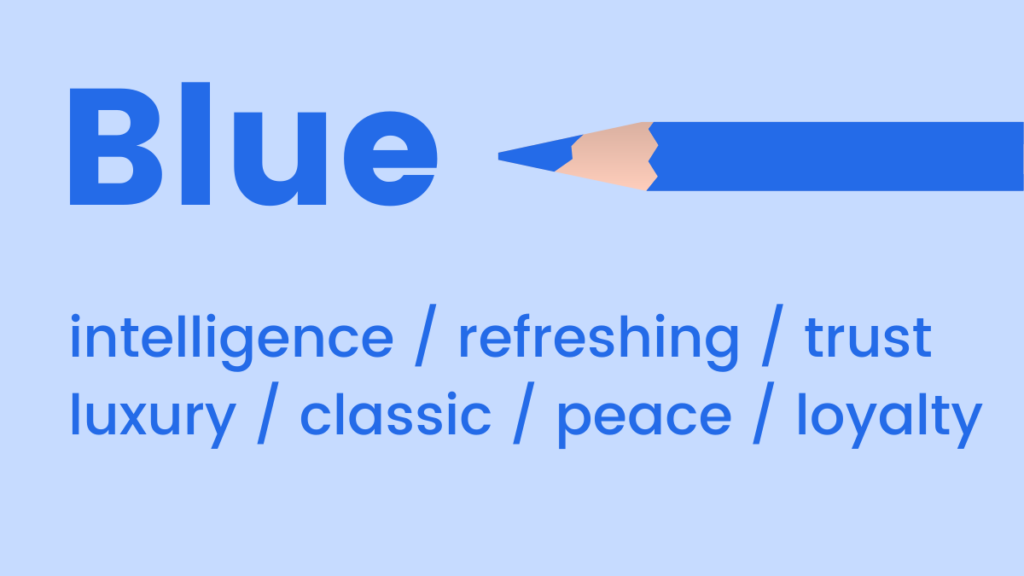
Blue is widely utilized across various industries to represent feelings of coolness and calm. The color possesses mood-boosting properties that signal the human body to produce calming chemicals, fostering a sense of positivity and trust.
Lighter shades of blue often serve as a refreshing splash of color, ideal for brands seeking an open, accessible vibe. By contrast, dark blue has long been a classic choice for organizations aiming to emphasize luxury and sophistication without the stark formality of black. Prominent financial institutions, technology companies, and apparel brands frequently leverage these attributes to build long-term credibility.
The Meaning of Pink
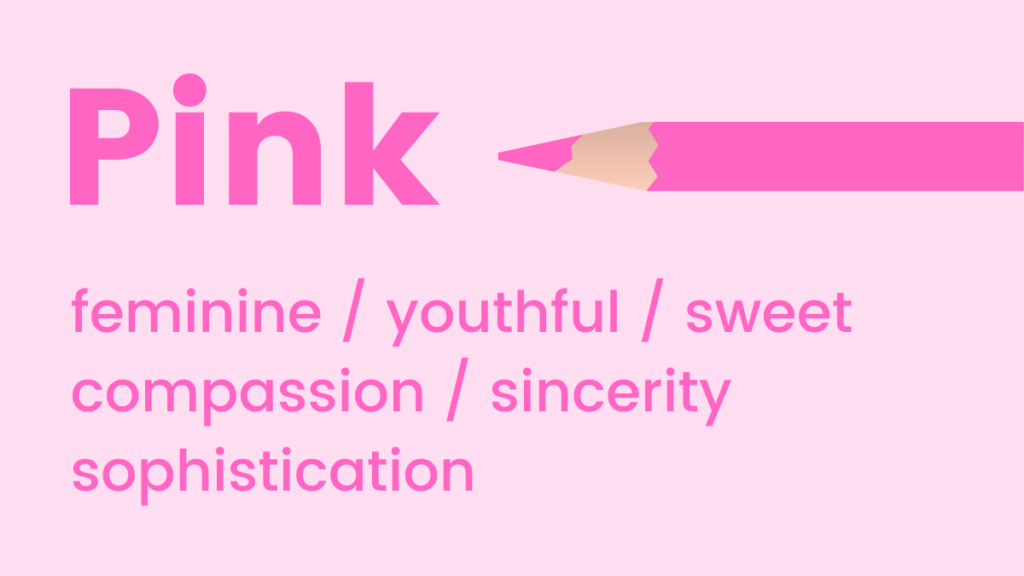
Pink tones are inherently youthful, fun, and exciting. This palette is frequently deployed to emphasize femininity, playfulness, or sweetness. Interestingly, psychological studies suggest a direct physiological connection between the color pink and a pre-determined taste expectation, often making consumers subconsciously crave sugary items like cotton candy.
Brands looking to foster a welcoming, friendly, and approachable atmosphere often incorporate pink into their welcome emails, promotional graphics, and lifestyle branding to lower barriers with new audiences.
The Meaning of Green
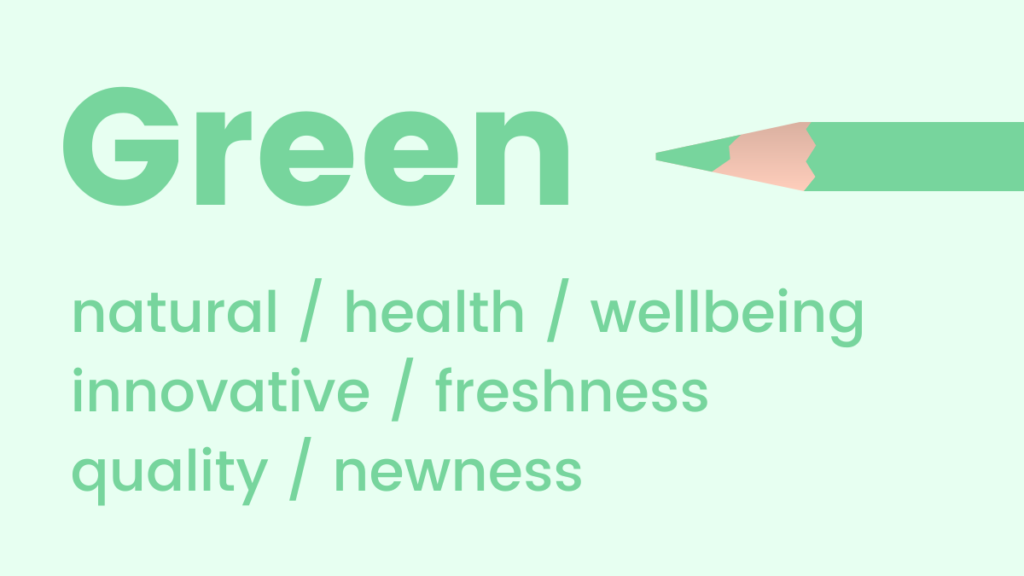
Green tones are deeply reminiscent of natural elements, health, and well-being. As a soothing choice, green promotes relaxation and harmony. From a physiological standpoint, green is the color to which the human eye is most sensitive, allowing people to discern a wider variety of shades within this spectrum than almost any other.
Because it feels inherently fresh and life-affirming, green is a premier choice for promoting new products, sustainable initiatives, or feature updates. It communicates vitality and balance, making it a staple for wellness, outdoor, and eco-conscious enterprises.
The Meaning of Orange and Yellow
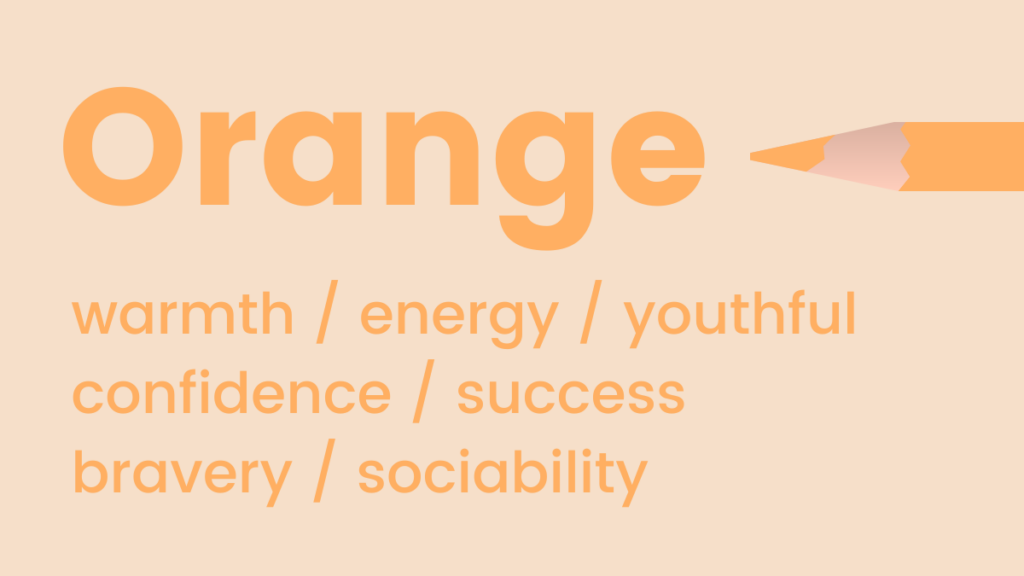
Orange represents warmth, energy, and enthusiasm. Fun and flamboyant, it is frequently utilized to project positivity and optimism while also subtly communicating trust and safety. Because orange is a particularly bold color choice that can occasionally intimidate designers, many marketers ease into its use by incorporating imagery featuring sunny shades rather than overwhelming blocks of solid color.
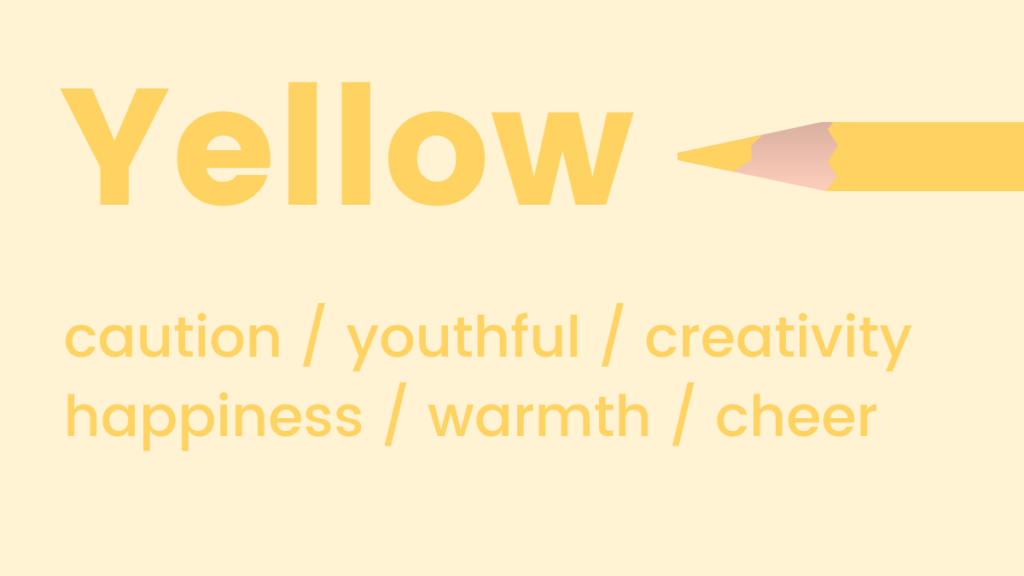
Similarly, yellow is celebrated as the happiest shade in the visible color spectrum. Alongside its capacity to project optimism, yellow is recognized for activating memory, stimulating mental processes, and encouraging communication. Brands aiming to engage younger audiences or stimulate quick cognitive processing frequently lean on yellow palettes to draw the eye.
The Meaning of Black, White, and Purple
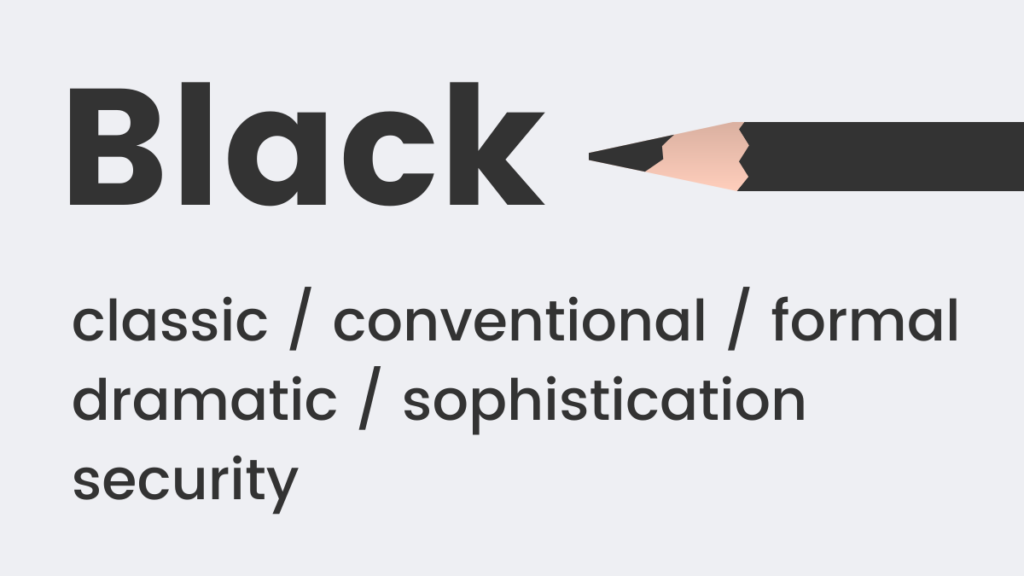
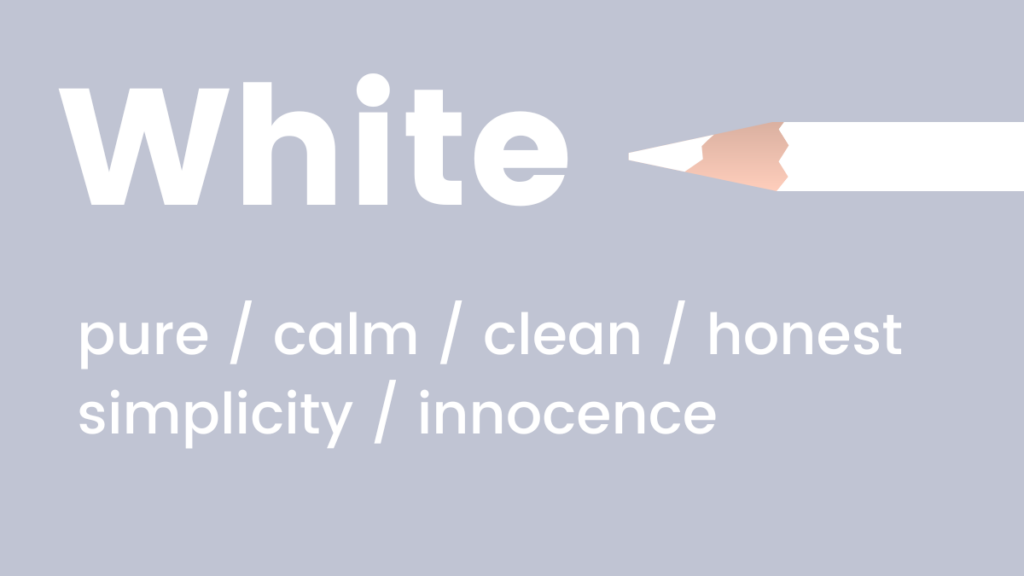
Black remains a timeless, classic choice that projects formality, authority, and elegance—reminiscent of formal black-tie events. It also carries a subconscious sense of physical weight and substance. White, conversely, is cool, calm, and serene, serving as the ideal foundation for brands that want to project a modern, clean, and minimalist aesthetic.
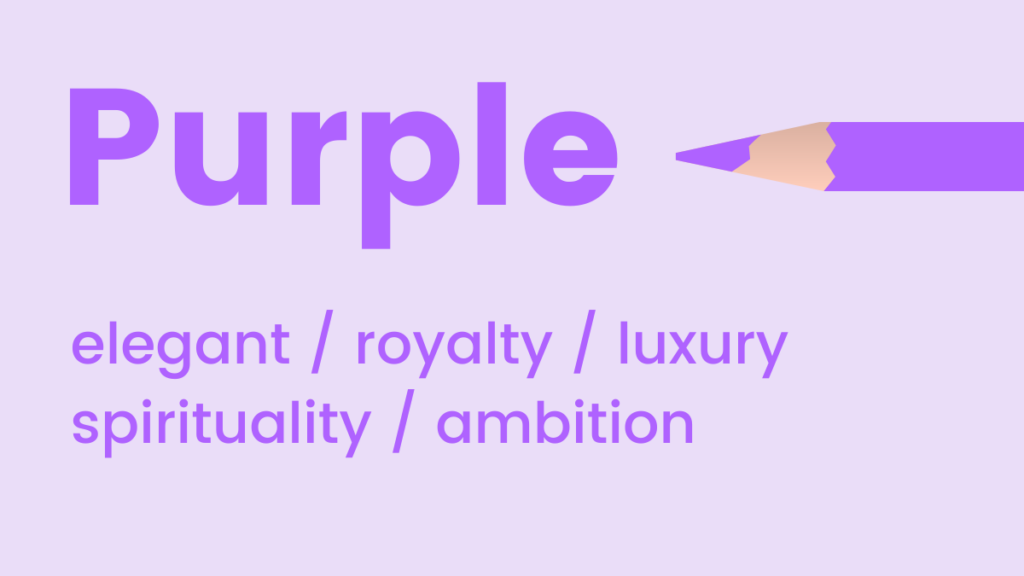
Purple occupies a unique middle ground as a luxe and elegant shade that uplifts while maintaining a sense of calm. It is also frequently associated with encouraging creativity and imagination, making it popular among premium lifestyle, beauty, and artistic brands.

The Meaning of Red
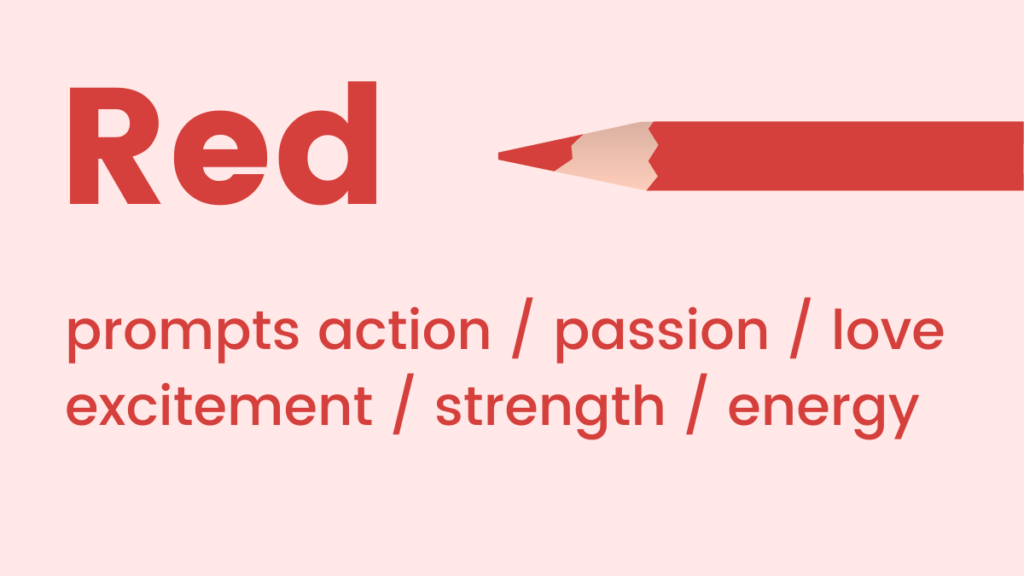
Red tones command attention by representing passion, adrenaline, and action. As a high-energy color, red can elevate heart rates and induce a sense of urgency. When marketers want customers to recognize the immediate importance of a message or time-sensitive offer, red frequently serves as the primary catalyst.

Choosing the Best Color Scheme for Websites and Landing Pages
Implementing multiple colors across a website or landing page often presents a challenge for non-designers, frequently resulting in confusion, hesitation, and suboptimal combinations. However, understanding basic color theory allows anyone to create visually striking layouts that capture user attention.

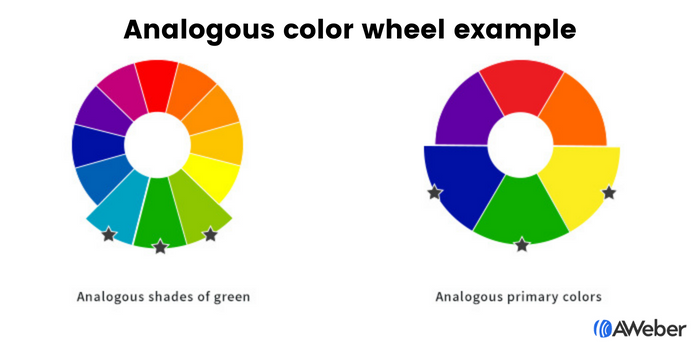
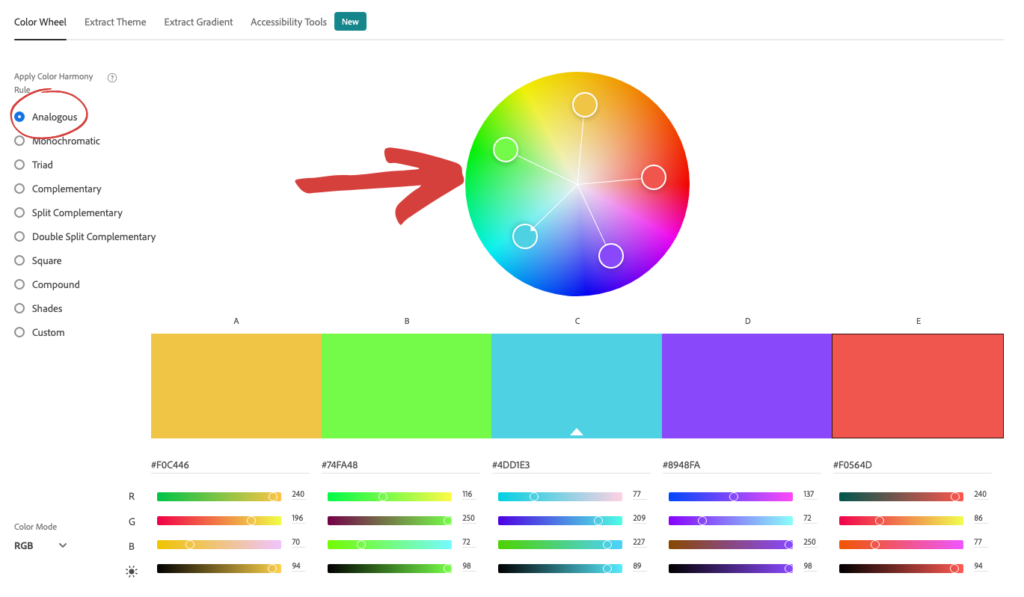
Analogous color schemes involve selecting colors that sit adjacent to each other on the color wheel, such as a combination of blue, green, and yellow, or multiple harmonious shades of a single color. This approach simplifies the design process, as identifying one preferred color immediately reveals its natural neighbors.

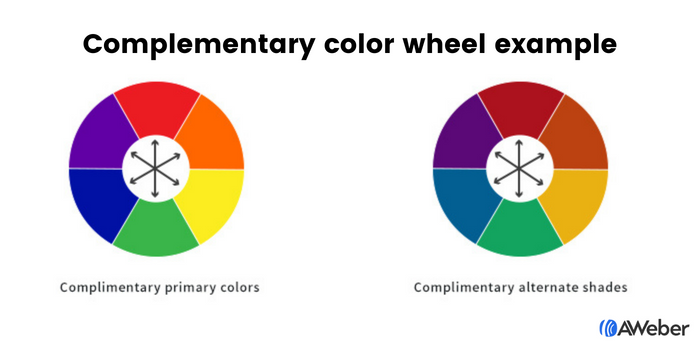
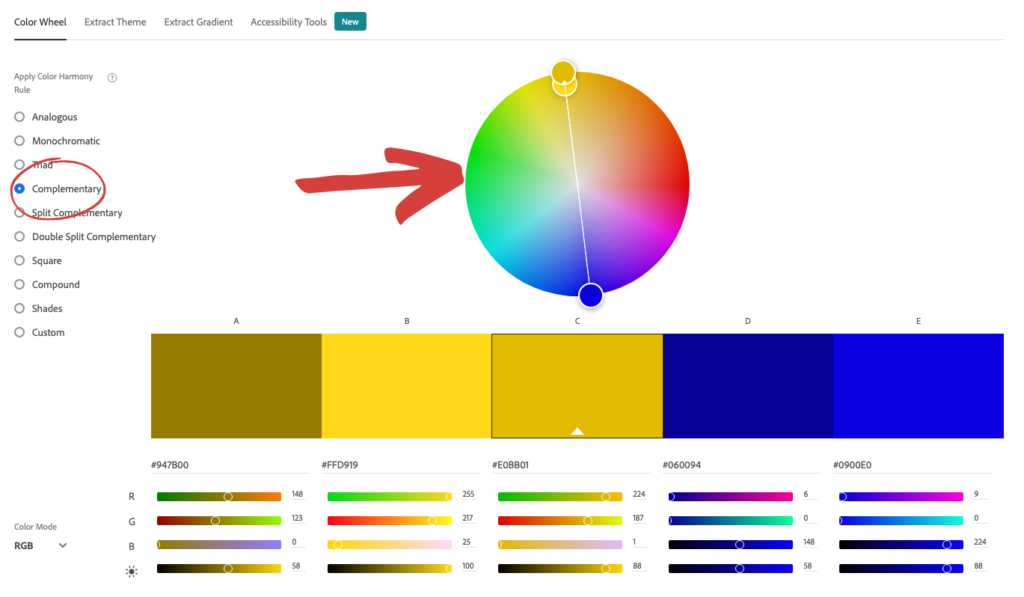
Complementary color arrangements utilize colors found on opposite sides of the color wheel, such as blue and orange, green and red, or purple and yellow. These pairings create high visual interest and strong contrast, making them ideal for drawing the eye to specific page elements when used thoughtfully away from harsh primary combinations. Free digital tools like Adobe Color CC allow creators to easily experiment with these wheel configurations to achieve balanced results.

Selecting Effective Colors for Sign-Up Forms
For sign-up forms to generate conversions, visitors must notice them immediately. Color plays a decisive role in achieving this visibility through analogous, complementary, or contrasting strategies.
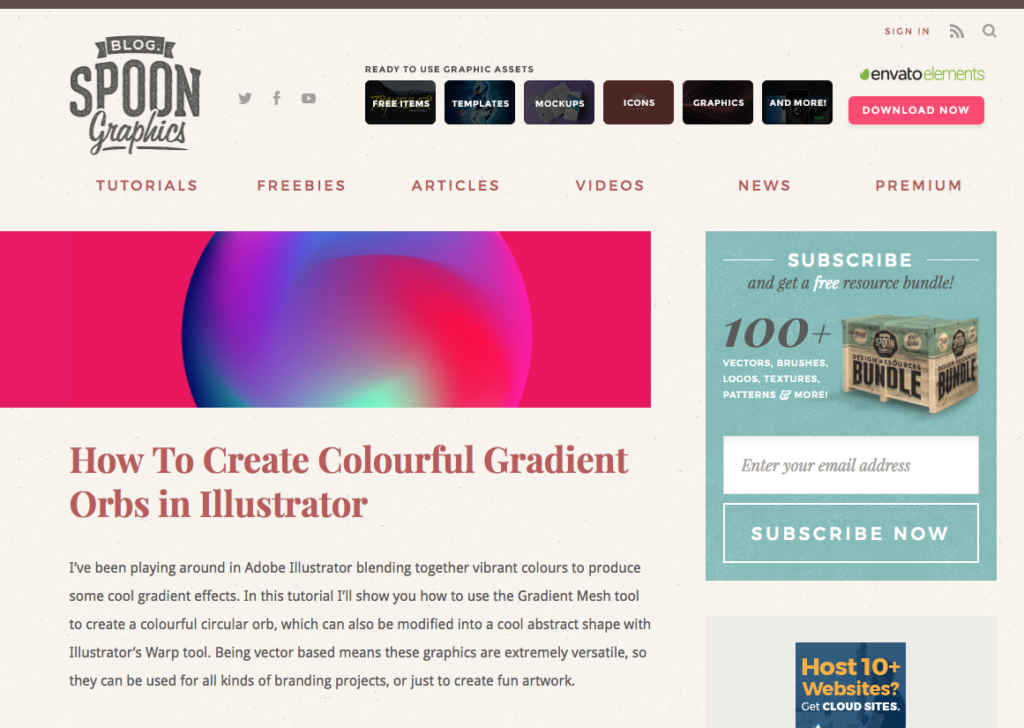
Applying contrast between a sign-up form and the surrounding website background allows the form to emerge naturally within the user’s field of view. Furthermore, internal contrast within the form itself—such as distinct, high-contrast text fields and action buttons—ensures that visitors intuitively understand what step to take next. Utilizing complementary background and button colors provides an unmistakable visual cue that encourages user interaction.

Tailoring Color Choices for Marketing Emails
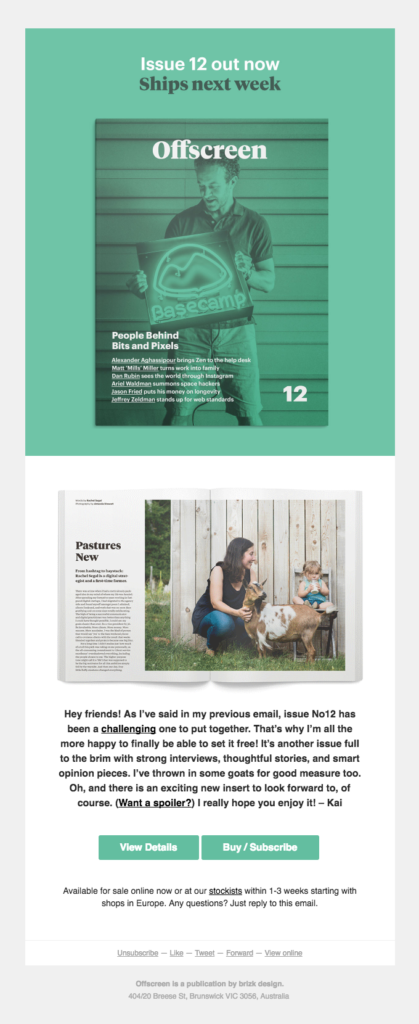
The color palette of a marketing email should align directly with its intended purpose. Email newsletters, which typically deliver regular news, updates, or educational content, benefit from generous use of white space punctuated by sparse applications of brand colors. This prevents secondary elements from distracting readers from the core text, reserving bold accents specifically for call-to-action buttons.
Welcome emails, representing a customer’s introduction to a brand, should leverage established brand colors to reinforce visual identity. Sales emails adapt their palettes based on the specific promotional offer, guided by the foundational principles of color psychology.
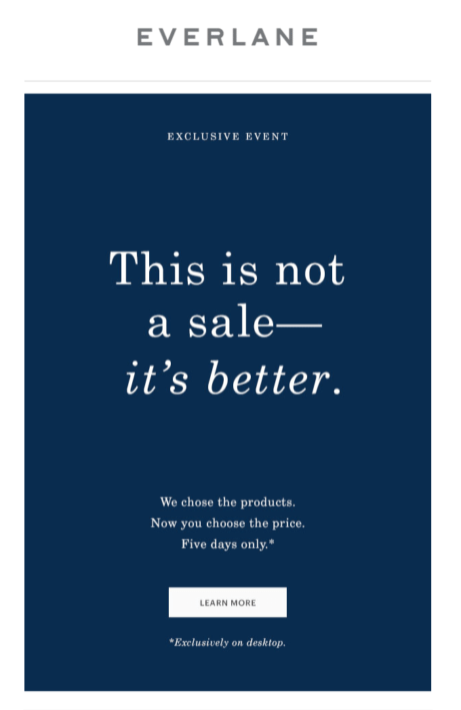
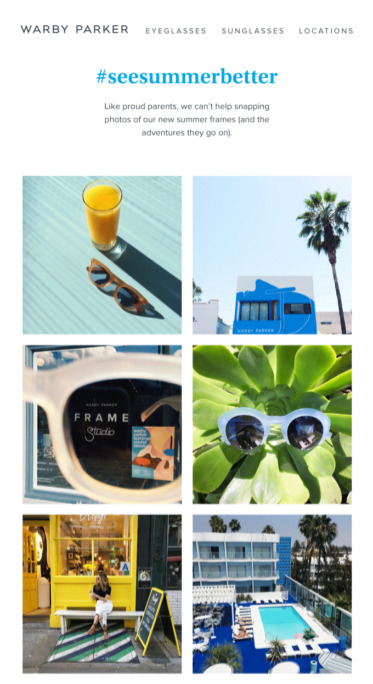
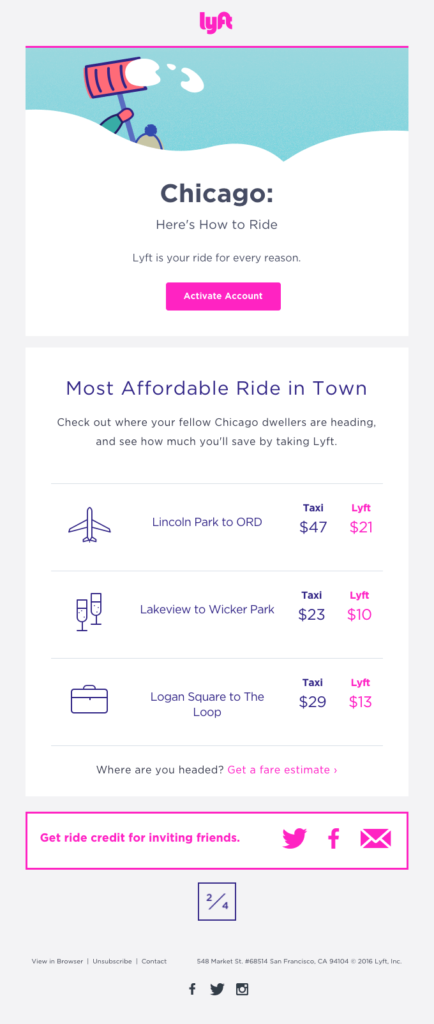
Real-world applications reflect these strategies. Eyewear brand Warby Parker utilizes pale blue to convey a light, refreshing vibe, whereas Everlane employs deep, dark blue to project sophisticated luxury. Lyft uses friendly pink tones in welcome messaging to build rapport, while Lego relies heavily on vibrant yellow to resonate with younger consumers. Harry’s utilizes minimalist black backgrounds paired with crisp white call-to-action buttons to maintain a classic, uncluttered aesthetic, and Stuart Weitzman incorporates its signature purple packaging into retention campaigns to reinforce elegance.
Evolving Brand Aesthetics Over Time
Integrating color psychology into an existing brand aesthetic can sometimes cause hesitation among business owners concerned about straying from established guidelines. However, dynamic brands must remain flexible enough to evolve. Just as individuals change their personal styles over time while retaining their core identity, businesses can introduce new accent colors to adapt to digital growth and shifting audience expectations. Tools like Coolors enable marketers to seamlessly integrate new shades alongside existing brand palettes.
Furthermore, technological advancements are streamlining the design process. Platforms like AWeber now incorporate AI-driven tools that allow marketers to build signup forms, landing pages, and email templates simply by describing their desired aesthetic, look, and feel. By translating color theory principles directly into descriptive prompts, creators can leverage automated design systems to build assets tailored specifically to their target audiences without starting from a blank canvas.