By Sean Tinney
June 17, 2026 — In the fast-evolving landscape of digital marketing, the strategic implementation of standalone web properties remains a cornerstone for commercial success. According to recent research from email marketing and automation platform AWeber, more than 90 percent of small business owners who utilize landing pages consider them either important or very important to their overall marketing strategy.
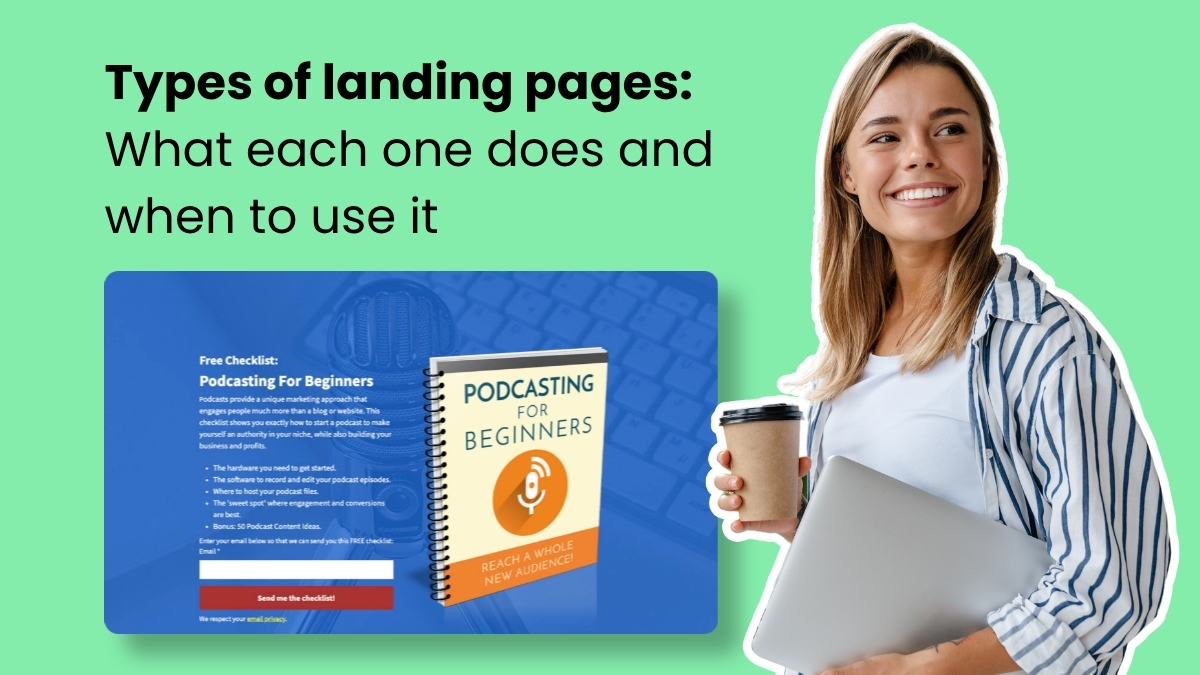
A landing page functions as a standalone web page built for a singular objective: compelling visitors to execute one specific action. Free of traditional website navigation and external distractions, these focused digital assets are designed around a single call to action. However, industry analysts note that the specific design, structure, and configuration of a landing page depend entirely on the nature of that single ask. A digital destination designed to harvest email addresses requires a fundamentally different architecture than one engineered to process a direct product purchase, while promotional assets for upcoming webinars demand unique structural elements compared to pre-launch announcements. Selecting the incorrect template or format remains one of the primary reasons modern marketing campaigns underperform.
The core challenge facing contemporary marketers is rarely whether to incorporate landing pages into their outreach, but rather determining which specific variation to deploy and at what precise moment in a campaign lifecycle. To maximize conversion efficiency, digital strategists categorize these pages into distinct operational models tailored to specific promotional goals, traffic sources, and audience behaviors.

Webinar Registration and Educational Outreach
Among the foundational formats utilized by digital marketers is the webinar landing page. These digital properties are engineered to promote upcoming virtual events and aggregate participant registrations. Successful implementations articulate what the educational session covers, identify the presenting expert, establish the precise schedule, and communicate the intrinsic value to the attendee.
Industry data indicates that high-converting webinar pages prioritize expected learning outcomes over speaker biographies. Messaging that focuses directly on actionable takeaways—such as mastering a specific software integration—tends to outperform traditional credentials-first copy. By answering the fundamental question of what value the participant will receive, organizers can drive higher registration rates before introducing speaker backgrounds. These pages are deployed whenever enterprises host live or recorded virtual events requiring dedicated registration funnels.
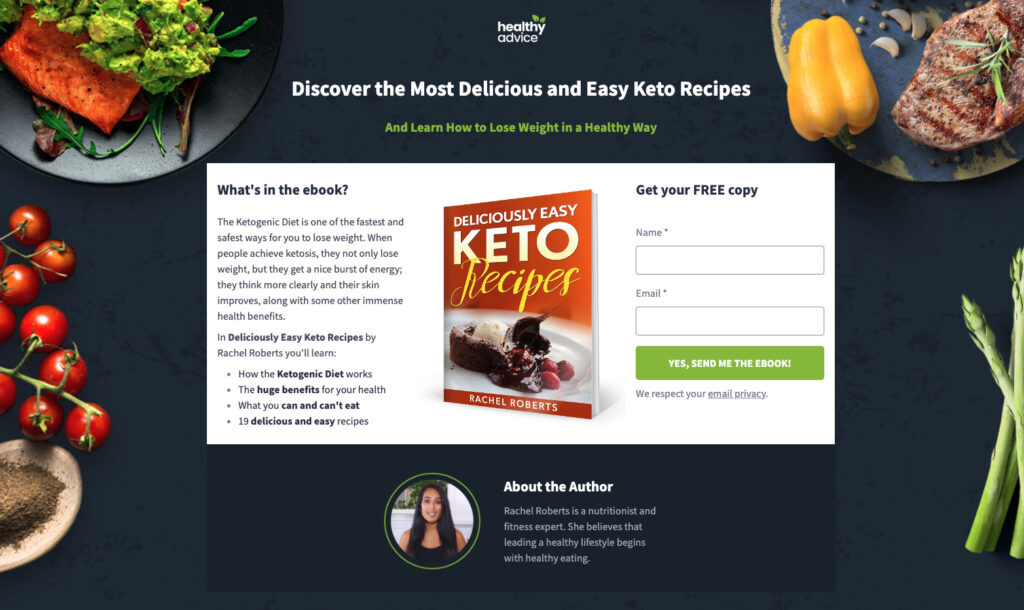
Closely related in educational and informational marketing are ebook and lead magnet landing pages. Ebook landing pages serve as digital storefronts and download hubs where audiences can evaluate the content, benefits, and acquisition paths for electronic literature. As digital publishing bypasses traditional print presses and distribution centers, entrepreneurs frequently leverage these assets to monetize specialized knowledge or employ publications as lead magnets to expand their subscriber base.
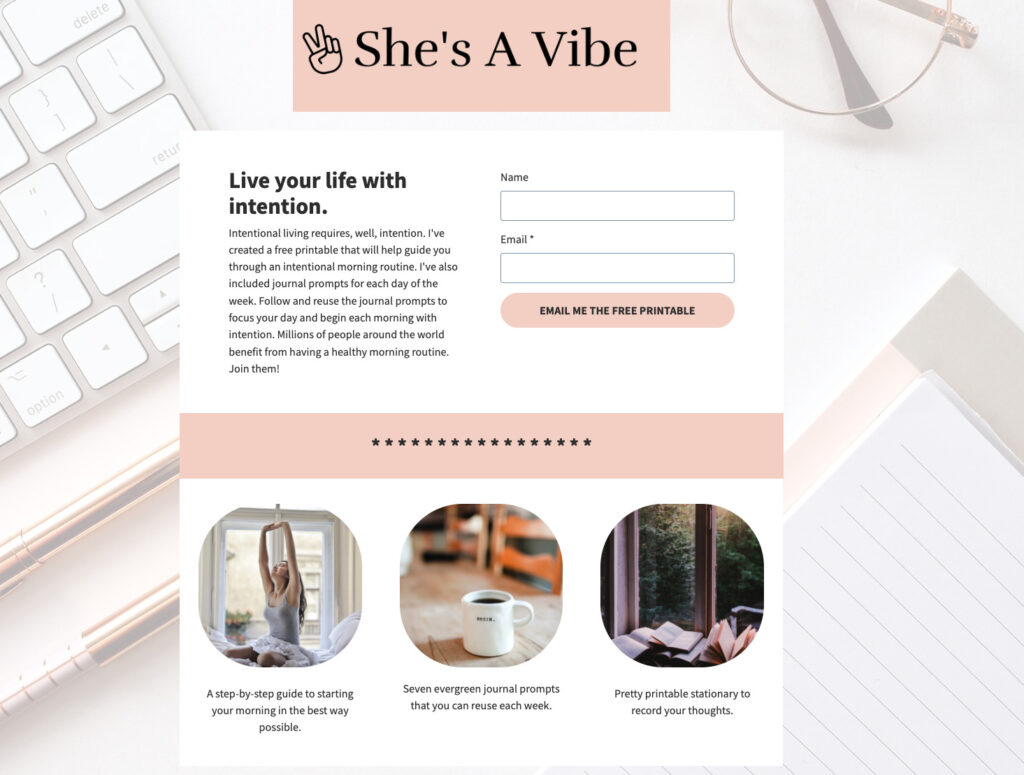
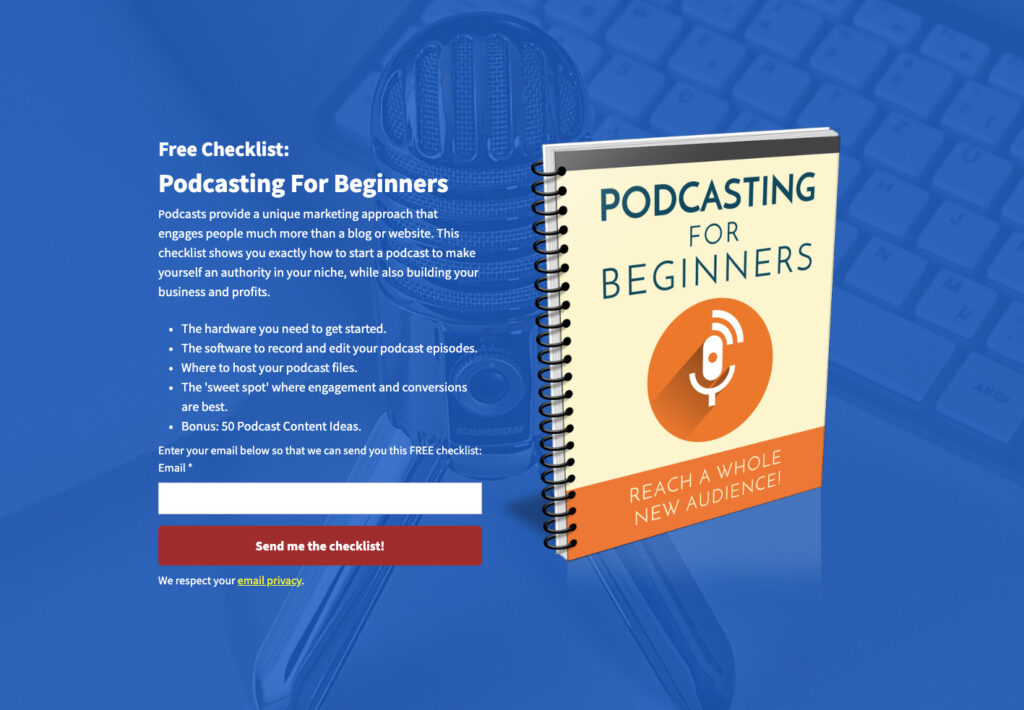
Lead magnet landing pages operate similarly, exchanging high-value digital resources—such as templates, checklists, toolkits, or free mini-courses—for a visitor’s contact information. By anchoring the page around an immediate solution to a pressing audience problem, the exchange of an email address feels equitable rather than burdensome, allowing brands to cultivate pipelines of interested prospects without heavy promotional selling.
E-Commerce, Squeeze Pages, and Direct-Response Frameworks
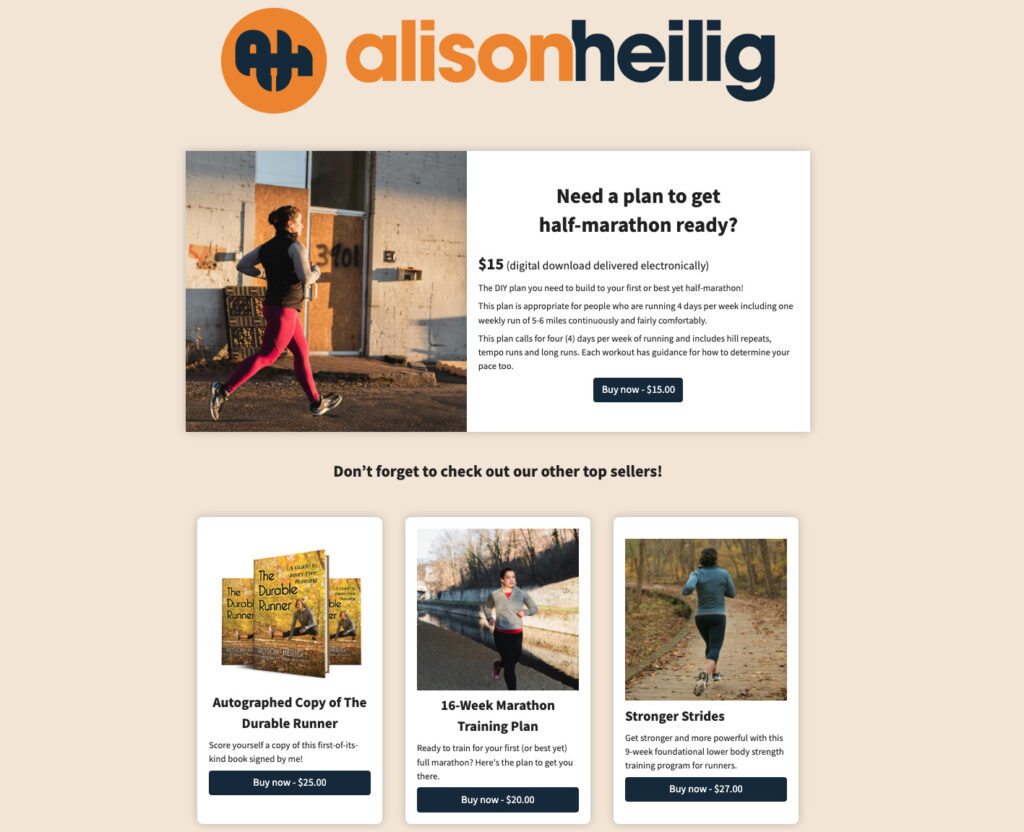
In the commercial sector, e-commerce landing pages pivot away from general product catalogs to focus intensively on a single item or tightly related category. When paid advertising campaigns direct traffic to a dedicated e-commerce landing page rather than a broad homepage or general shop page, conversion rates typically increase. By stripping away extraneous choices, these pages present one product, one offer, and one action, utilizing product photography, transparent pricing, social proof, and FAQs to overcome buyer hesitation.
For ultra-focused lead generation, particularly within paid traffic campaigns, marketers frequently deploy squeeze pages. These minimalist properties represent the most stripped-down iteration of lead capture architecture. Featuring only a headline, brief descriptive copy, an email input field, and a submission button, squeeze pages eliminate decision fatigue entirely. Their extreme simplicity helps maintain low cost-per-lead metrics when running paid acquisition campaigns across digital networks.
Complementing these transactional assets are click-through landing pages, which deliberately avoid immediate conversion demands. Instead, these pages act as a preparatory bridge between a cold advertisement and a final checkout or sign-up page. By providing product walkthroughs, feature comparisons, or trial information, they give prospective buyers the context required to build confidence before facing a financial commitment, effectively reducing drop-off rates on complex or high-ticket offers.
Speciality Formats for Content Creators and Paid Traffic
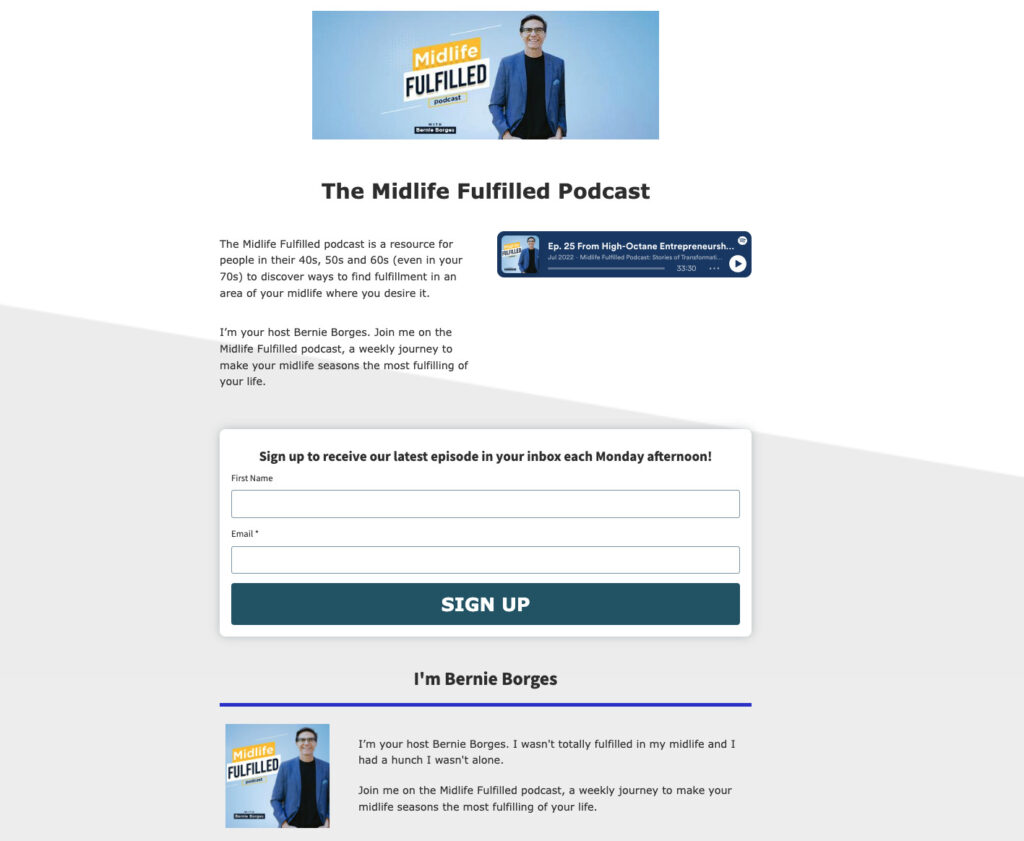
As digital ecosystems diversify, specialized landing page formats have emerged to support unique media channels. Podcast landing pages, for instance, help creators transcend the distribution limits of streaming platforms like Apple Podcasts or Spotify. By offering direct subscription options and newsletter sign-ups tied to new episode drops or bonus content, creators establish direct communication channels with their audience that are immune to algorithmic shifts.
Similarly, Pay-Per-Click (PPC) landing pages are engineered specifically for paid search traffic. Success with PPC architecture relies heavily on message match—the precise alignment between the user’s search intent or ad copy and the landing page headline and offer. Maintaining tight thematic consistency not only drives higher conversion rates but also rewards advertisers with better Quality Scores and reduced costs per click on major search engines.
Social media integration has likewise spurred the adoption of link-in-bio landing pages and platform-specific assets. Because major social networks typically restrict profiles to a single clickable URL, link-in-bio pages function as centralized hubs routing followers to newsletters, product pages, and booking calendars simultaneously. Dedicated Facebook landing pages bridge social traffic with owned media assets, capturing follower data to insulate brands from shifting platform algorithms.
Pre-launch landing pages and video landing pages round out the comprehensive digital toolkit. Pre-launch assets validate commercial demand and build anticipation before a product or service officially exists, generating an early subscriber base that can be activated on launch day. Meanwhile, video landing pages leverage visual demonstrations, explainer clips, and customer testimonials as their primary communication vehicle, building trust and clarifying complex offerings faster than text-based copy alone.
Finally, thank you pages complete the conversion cycle. Far from acting as dead ends, optimized confirmation pages capture users at peak engagement, offering secondary calls to action such as upsells, related resources, or webinar registrations to maximize the momentum of an initial conversion.