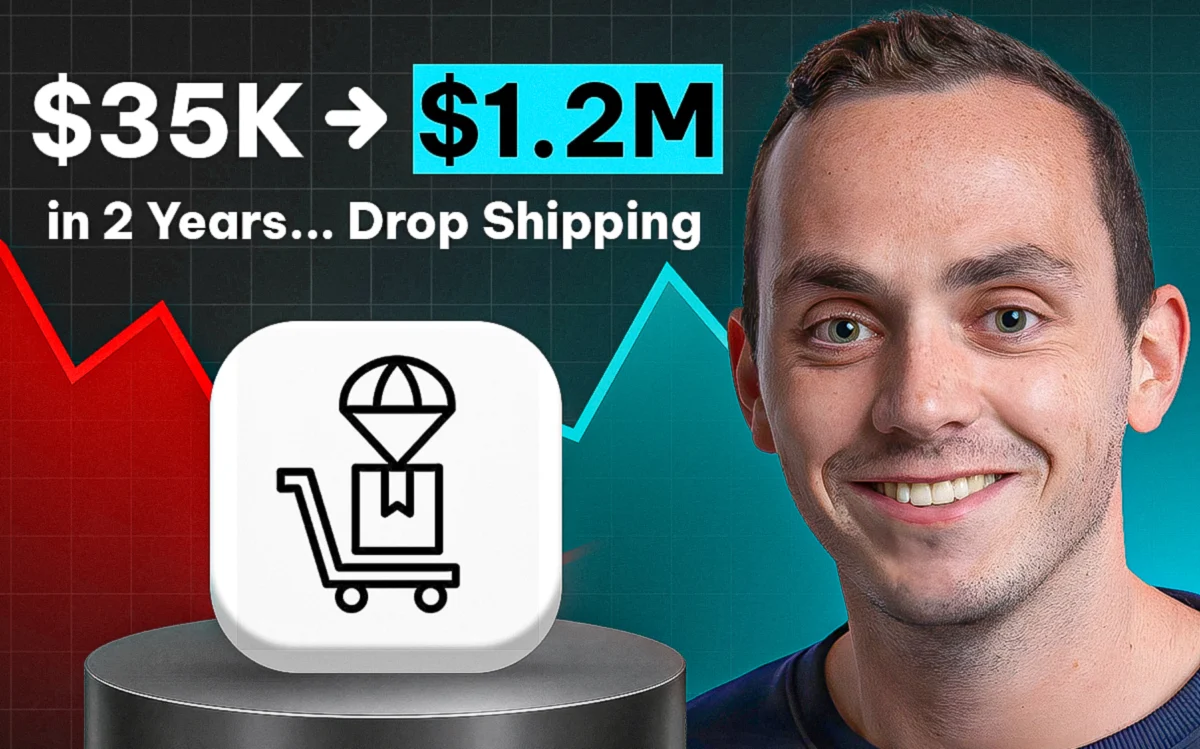
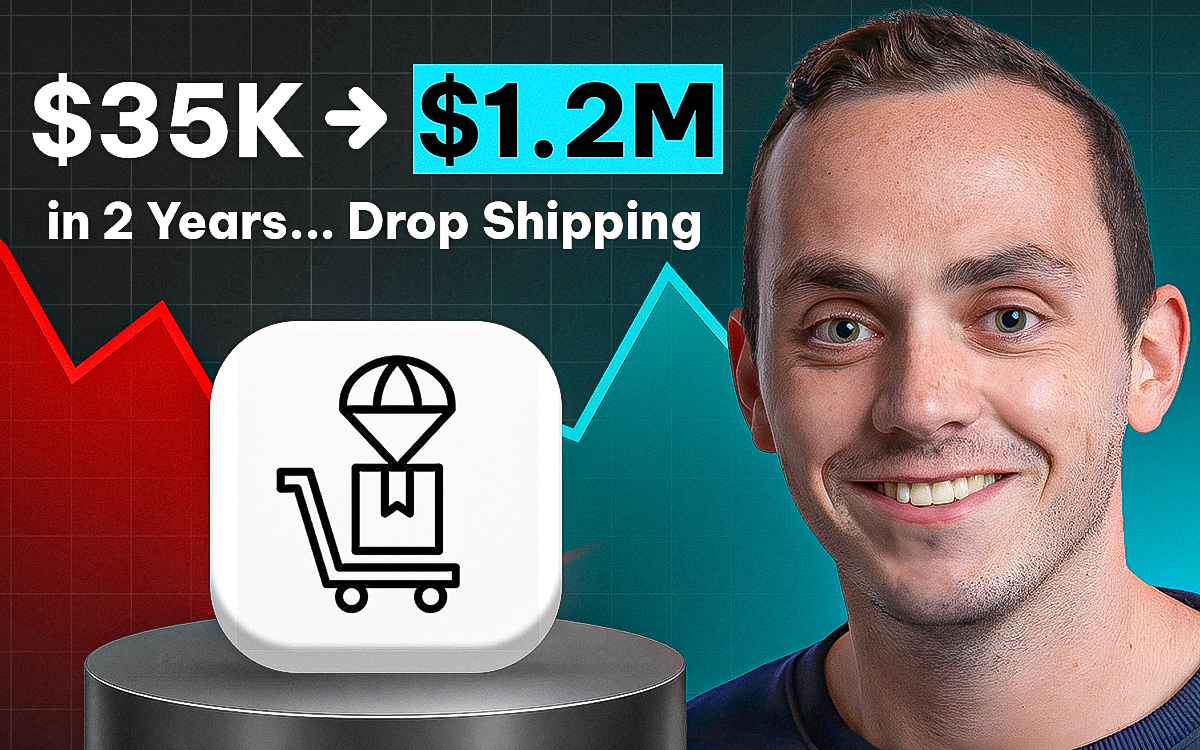
In the fast-paced world of e-commerce, building a sustainable brand while maintaining a demanding corporate career is a formidable challenge. Yet, on a recent episode of the Niche Pursuits podcast, entrepreneur Phil McEleney detailed precisely how he achieved this milestone with CamperNation. What began as a modest side project has blossomed into a high-ticket dropshipping enterprise generating roughly $1.2 million in trailing 12-month revenue.
The journey of CamperNation highlights a methodical approach to digital entrepreneurship. Growing from an annual revenue of approximately $30,000 to $35,000 in 2024 to an impressive $500,000 in 2025, and ultimately crossing the seven-figure threshold, the business demonstrates the viability of high-ticket retail models. With an average order value hovering near $1,500, a loyal base of around 900 customers, and peak organic traffic reaching 30,000 monthly visits, McEleney is now setting his sights on the next logical evolution: expanding beyond traditional dropshipping into proprietary product development.
Building the Business Alongside a Corporate Career
Before launching CamperNation, McEleney spent about a decade deeply immersed in corporate marketing, working extensively with major technology companies and mastering digital advertising channels like Google Ads and Facebook advertising. Over time, however, his day-to-day responsibilities naturally evolved from tactical campaign execution into high-level client management, team leadership, and complex problem-solving.
While this corporate background provided a strong foundation in marketing principles, it did not automatically hand him a turnkey e-commerce operation. Setting up a fully functional website, managing corporate bookkeeping, establishing reliable relationships with suppliers, orchestrating logistics, and handling the commercial complexities of retail required an entirely distinct set of skills.
McEleney’s experience serves as an encouraging precedent for aspiring founders who mistakenly assume that years of specialized agency experience are a strict prerequisite for launching an online storefront. Many of the most critical operational lessons had to be learned dynamically while CamperNation was actively taking shape. Crucially, his exit from traditional employment was executed through a gradual, phased transition. This deliberate pacing afforded him the luxury of a longer time horizon, removing the immediate financial pressure of forcing CamperNation to cover every personal expense from day one and giving the enterprise adequate breathing room to mature.
Choosing High-Ticket Dropshipping From the Beginning
Operating primarily in the UK market, CamperNation specializes in caravan and motorhome accessories. From its inception, the business has utilized a high-ticket dropshipping model. In this operational structure, CamperNation drives customer acquisition, marketing, and relationship management, while manufacturing partners typically fulfill and ship orders directly from their own warehouses, sparing the startup from handling massive inventories physically.
The high-ticket nature of the inventory fundamentally alters the unit economics of the enterprise. With an average order value sitting comfortably around $1,500, CamperNation does not require thousands of monthly transactions to achieve meaningful financial milestones. This dynamic creates distinct operational advantages, reducing shipping logistics headaches and lowering the sheer volume of customer service tickets needed to sustain profitability.
Naturally, higher-priced purchases inherently demand a more deliberate consideration process from consumers. A buyer preparing to spend $1,500 on motorhome accessories will thoroughly research competing brands, technical specifications, compatibility, sizing constraints, and alternative products before finally completing a transaction. Rather than viewing this friction as a barrier, McEleney recognized it as a strategic opportunity. By proactively answering these nuanced pre-sale questions through the website, CamperNation positioned itself to win the conversion even when competing retailers offered identical products at similar price points.
Starting Customer Acquisition With Google Shopping Ads
Initial revenue generation for CamperNation was anchored by Google Shopping Ads. By publishing product pages, forging supplier partnerships, and immediately targeting consumers actively searching for specific accessories, the company tapped into high-intent traffic. Shopping ads appealed to McEleney because they bypassed the exploratory phase of the buying cycle, connecting the brand directly with shoppers who were already close to making a purchasing decision.
As product-level data accumulated and revealed which items and search queries consistently converted into sales, McEleney expanded his paid strategy to incorporate conventional Google search ads. Although traditional search campaigns frequently carry a higher cost-per-click than product-focused shopping ads, initiating campaigns through Google Shopping provided a reliable baseline of consumer demand before allocating larger budgets to broader keyword campaigns.
Growing Organic Traffic From 10 Visitors a Day to About 1,000
Over time, search engine optimization transformed into one of CamperNation’s primary growth engines. The trajectory of this organic expansion has been striking. At its lowest point, the website attracted a mere 10 organic visitors daily—roughly 300 visitors per month. By contrast, during peak summer months, that figure surged to approximately 30,000 monthly visits, averaging about 1,000 daily visitors.
McEleney attributes a significant portion of this success to a disciplined strategy often referred to as Avalanche SEO. The core philosophy centers on targeting search terms that precisely match the domain’s current authority level and existing organic traffic, gradually scaling up to more competitive, high-volume keywords as the site’s authority compounds.
In the early stages, this meant prioritizing lower-volume informational queries. McEleney produced roughly 100 targeted articles addressing specific questions customers frequently asked regarding the catalog’s main product categories. These individual pages did not need massive search volume to deliver meaningful value. Furthermore, the composition of this traffic evolved; early visitors predominantly landed on informative blog content, whereas a much larger share of contemporary traffic arrives directly at commercial collection pages. For an e-commerce business commanding a $1,500 average order value, even modest conversion rates on commercial queries yield substantial financial returns.
Adding an Affiliate Channel With Limited Management
To diversify customer acquisition, CamperNation integrated an affiliate marketing program. Instead of managing individual publishers directly, McEleney partnered with a specialized UK-based agency that oversees the administrative overhead of the program. CamperNation establishes the revenue share it is willing to allocate across various brands or products, and the management company handles the distribution of commissions between itself and the referring affiliates.
During successful months, this automated channel generates approximately £20,000 in sales. The structure appeals to McEleney because it operates efficiently with minimal oversight. Because the program consistently produces revenue without demanding daily intervention, he can deliberately redirect his focus toward higher-priority initiatives, underscoring a vital entrepreneurial lesson: founders must continuously filter the endless array of potential projects to concentrate on the few efforts that genuinely move the needle.
Turning Product Questions Into a 5,000-Person Email List
Email marketing has matured into CamperNation’s fourth major acquisition and conversion pillar, supporting an active list of approximately 5,000 subscribers. One of the brand’s most effective lead-generation mechanisms originated directly from frontline customer support inquiries. Customers frequently requested guidance regarding the precise dimensions, sizing, or power requirements necessary for specific equipment.
Rather than dismissing these inquiries as routine administrative support tasks, McEleney converted them into a strategic lead magnet. Prospective buyers could input vehicle specifications, provide an email address, and optionally share a phone number to receive tailored expert assistance in selecting the correct product. To further dismantle buyer hesitation, CamperNation paired this sizing service with favorable return and exchange policies for participating customers.
Automated email sequences ensure that inquiries receive an initial response within 24 hours, followed by subsequent messages addressing related product considerations. By anchoring the lead magnet directly around a critical pre-purchase question, the company successfully bridged the gap between customer service and conversion optimization.
Managing a Business Where 70% of Revenue Arrives in Six Months
Operating within the caravan and motorhome accessories market exposes CamperNation to pronounced seasonal fluctuations. Approximately 70% of the company’s total annual revenue is concentrated within a six-month window centered around the warmer spring and summer months.
This cyclical reality creates an operating rhythm starkly different from traditional e-commerce brands that experience their primary sales spikes during the fourth-quarter holiday season. For CamperNation, autumn and winter represent notably quieter periods. McEleney actively recalibrates both marketing expenditures and operational workflows to align with this cyclical demand.
During the off-season, the team tackles long-term infrastructure projects, such as refining customer service dashboards with the assistance of artificial intelligence tools, ensuring the business is fully prepared for the inevitable spring surge. This seasonal rhythm also requires a specialized psychological framework regarding growth; a temporary dip in winter revenue does not signify stagnation, but rather a predictable industry pattern.
Building a Small Team Around Operations
To sustain this trajectory, McEleney has successfully transitioned out of day-to-day customer support. CamperNation now employs a full-time operations manager who oversees post-purchase logistics, supplier communications, delivery coordination, customer phone calls, emails, and live chat. Weekend coverage is managed by an additional team member, while specialized freelancers assist with periodic tasks like website maintenance and product uploads.
This delegation has freed McEleney to concentrate entirely on high-level growth initiatives. The extensive time he spent personally managing customer support during the company’s infancy was instrumental; those direct conversations revealed vital insights into consumer behavior, inspired the sizing lead magnet, and crystallized his understanding of CamperNation’s core demographic.
That demographic largely consists of retired, relatively affluent consumers who invest considerable time in pre-purchase research and deeply value direct human communication—a preference that continues to shape CamperNation’s customer service philosophy.
Using AI to Speed Up Content and Customer Service
Artificial intelligence is thoughtfully integrated into several facets of CamperNation’s daily workflow, particularly in scaling SEO content production while retaining strict human editorial oversight. McEleney employs a multi-step AI stack: Google’s Gemini assists with structural heading outlines, SEOWriting.ai generates initial article drafts, and Claude refines the prose. Human editors then thoroughly review, fact-check, and polish the material before publication.
Beyond content generation, AI streamlines internal operations and customer communication. However, McEleney remains mindful of preserving human touchpoints. Because his customer base places a premium on interacting with actual people, maintaining accessible human support provides a distinct competitive advantage in an era increasingly dominated by automated interactions. Looking ahead, he anticipates that search engines and AI discovery systems will increasingly rely on external authority signals—such as authentic backlinks and third-party reviews—to distinguish reputable sources as automated text generation becomes universally accessible.
Moving From Dropshipping Toward Owned Products
Dropshipping is viewed by McEleney not as the ultimate destination for CamperNation, but rather as an efficient entry point that establishes a solid foundation for higher-margin, proprietary product ownership.
The company has already initiated intermediate steps in this transition by purchasing bulk inventory for select best-selling items and partnering with a third-party logistics provider to handle warehousing and fulfillment. This practical exposure to inventory management lays the groundwork for eventual private-label expansion without forcing an immediate, high-risk capital commitment.
The strategic roadmap targets the introduction of the company’s first owned products by the spring of 2027, perfectly timed to coincide with the opening of CamperNation’s primary selling season.
Focusing the Next 12 Months on Three Areas
Following his first full year operating the business as a full-time entrepreneur, McEleney has established a clear, three-pronged priority list for the immediate future.
The primary focus centers on product development, leveraging years of accumulated customer data and sales insights to introduce proprietary items that offer enhanced brand control and superior margins. The second priority involves continued investment in SEO, capitalising on the domain’s increased authority to aggressively target high-value commercial keywords that were previously out of reach. Finally, the business plans to expand its headcount with a targeted strategic hire.
These initiatives build directly upon established, functional systems rather than requiring a disruptive corporate reinvention. With paid search, organic search, affiliate programs, email marketing, customer service, and fulfillment already operating in tandem, CamperNation enters its next growth phase with proven operational momentum.