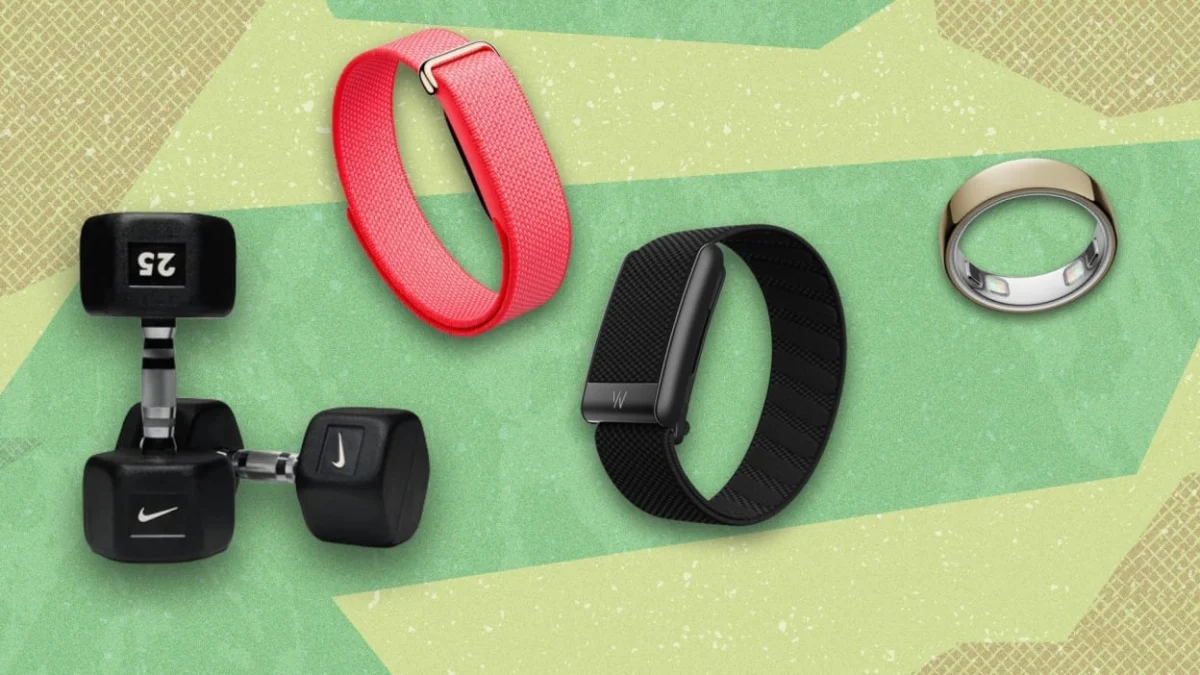
As another year rapidly draws to a close, millions of workers face a familiar financial dilemma: navigating the strict use-it-or-lose-it rules governing their flexible spending accounts (FSAs). With health insurance and benefit windows closing, consumers are scrambling to find legitimate, qualifying healthcare costs before their hard-earned pre-tax dollars vanish. While traditional medical expenses like prescription eyeglasses, doctor co-pays, and first-aid supplies are standard targets, a growing number of health and wellness brands are aggressively marketing a more enticing option: high-tech fitness trackers, smartwatches, and home gym equipment.
For many consumers, the idea of using pre-tax FSA or Health Savings Account (HSA) funds to purchase a brand-new wearable device—such as the latest Fitbit, a sleek Oura Ring, or a Whoop recovery band—sounds too good to be true. According to prominent retail campaigns, acquiring these devices using pre-tax health dollars is easier than ever. However, navigating the bureaucratic reality behind the marketing requires a closer look at federal tax guidelines, medical documentation, and the mechanics of modern digital health platforms.
When evaluating most fitness trackers and smartwatches, shoppers quickly discover that pre-tax dollars rarely cover the entire retail cost outright without proper procedural steps. Instead, utilizing health accounts for these purchases typically yields an average savings of about 30% on eligible health purchases, reflecting the tax advantage of using pre-tax funds. The fundamental distinction under Internal Revenue Service regulations comes down to whether a device is classified as a general wellness tool or a medical necessity required for treating, mitigating, or monitoring a specific, diagnosed health condition.
The primary hurdle for consumers looking to purchase wearables through an FSA or HSA involves proving that the technology serves a clinical purpose rather than simply encouraging a general lifestyle upgrade. Historically, this meant scheduling an appointment with a primary care physician to secure a formal Letter of Medical Necessity (LMN). This document acts essentially as a clinical prescription, proving to plan administrators that the targeted device is necessary for managing conditions such as obesity, high blood pressure, pre-diabetes, cardiovascular risks, chronic pain, or persistent sleep disorders.
However, the landscape of acquiring these letters has shifted dramatically in recent years, thanks to third-party verification platforms that streamline the administrative process. Companies like Truemed have integrated directly into the checkout flows of various fitness and wearable brands, including Coros and Amazfit. When shopping on these partner sites, consumers frequently encounter a payment option allowing them to evaluate their eligibility on the spot.
Instead of waiting weeks for a traditional doctor’s appointment, customers complete a short digital health intake survey detailing their medical history and relevant health markers. Independent, licensed medical providers then review these self-reported metrics to determine whether the requested product aligns with standard clinical care protocols. If the criteria are met, the platform issues an LMN, allowing the consumer to complete the transaction using their FSA or HSA debit card without ever stepping foot inside a traditional medical clinic.
Industry executives emphasize that this streamlined review process mirrors standard medical practices. When patients report a family history of certain health risks, clinicians frequently discuss risk management strategies without immediately ordering expensive laboratory work. By utilizing structured intake forms, licensed practitioners can evaluate whether a wearable device functions as an appropriate tool for prevention and maintenance based on a patient’s self-reported background.

Despite the convenience offered by digital health platforms, consumer advocates and financial experts caution that FSA and HSA eligibility for wearables remains far from an unvetted free-for-all. A granted Letter of Medical Necessity specifically covers an individual user for a designated product from a particular merchant, and it remains tightly bound to a singular health condition. Furthermore, corporate employer plan administrators exercise varying degrees of scrutiny when auditing employee claims. Even a fully compliant LMN does not entirely guarantee that a specific company plan will approve every reimbursement claim, making consumer awareness and transparency critical during the purchasing process.
Brand transparency across the fitness technology sector also varies widely. While manufacturers like Coros openly guide customers through the required digital medical consultation directly at checkout, other brands heavily market their products as HSA or HSA-eligible without fully explaining the underlying requirement for an LMN to validate the tax claim.
Recovery-focused wearables, such as screenless bands from Whoop and Amazfit, along with smart rings like the Oura Ring, often face heightened scrutiny from plan administrators. Because these devices are frequently marketed primarily as lifestyle and general fitness accessories, the depth and accuracy of a consumer’s initial health intake answers carry significant weight in establishing clinical legitimacy compared to traditional medical devices like blood pressure cuffs.
Smartwatches and heart rate monitors face similar scrutiny but can qualify successfully if cardiovascular tracking, training load monitoring, or heart rate accuracy directly connects to a documented health concern. While major industry players like Garmin do not offer direct point-of-sale eligibility through standard wellness platforms, other brands maintain dedicated filters on their e-commerce sites to help shoppers easily identify qualifying hardware.
Beyond wrist-worn wearables, home fitness equipment—including adjustable dumbbells, rowing machines, and connected exercise bikes—can theoretically qualify under the same clinical logic used by physicians who prescribe regular physical activity for patients managing pre-diabetes or elevated cholesterol levels. If a licensed clinician attests that structured exercise forms an integral part of a patient’s active treatment plan, fitness equipment enabling that prescribed regimen may fall within qualifying guidelines. Brands like Nike Strength have similarly explored pathways to make select training gear accessible through pre-tax health accounts.
Ultimately, tax authorities and financial planners emphasize that product eligibility is not determined by the brand name or the marketing language alone, but rather by the individual consumer’s personal health history. A high-end recovery tracker that easily secures approval for an individual managing a documented cardiac condition may face immediate rejection for a consumer with no relevant medical history on file. As the year-end deadline approaches, consumers reviewing their remaining FSA funds are encouraged to carefully evaluate their health backgrounds and explore available digital health platforms to ensure that pre-tax dollars are maximized effectively before the funds expire.