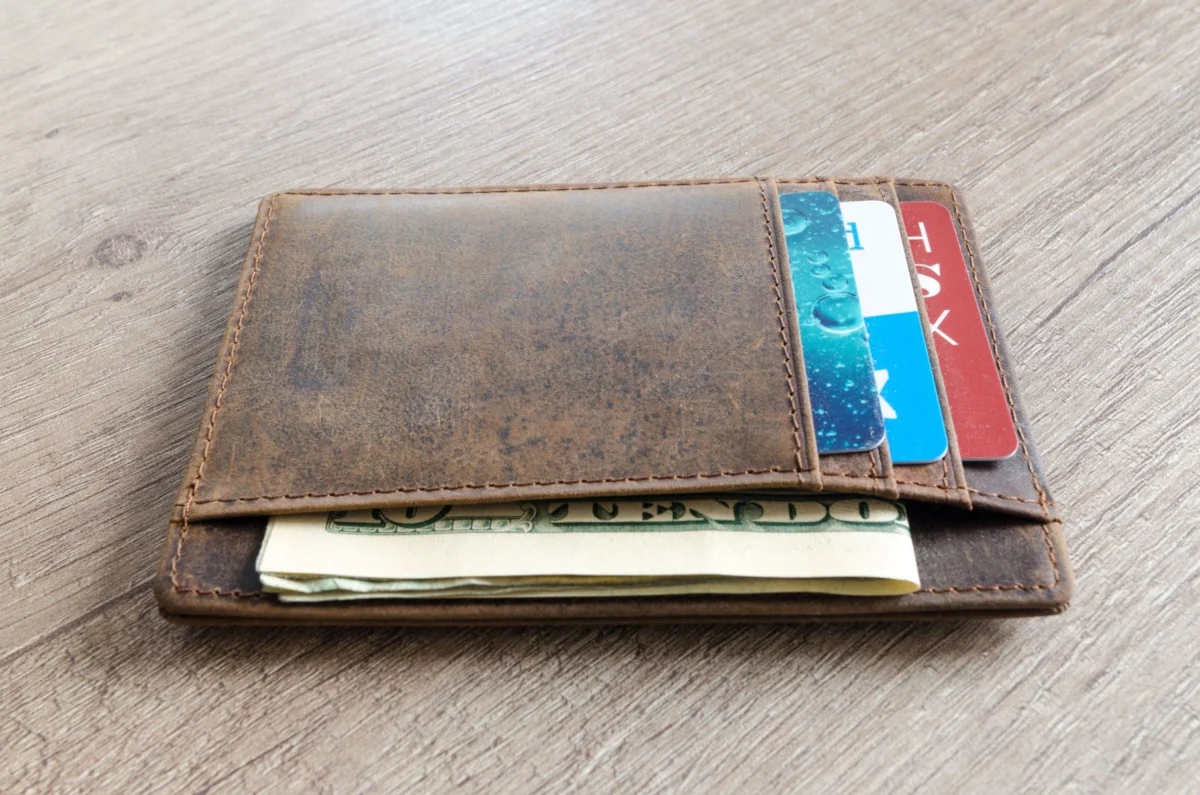
Losing a wallet is a universally frustrating experience, typically involving the tedious chores of replacing a driver’s license and canceling a handful of payment cards. However, security experts and federal agencies warn that a misplaced billfold can quickly escalate from a minor daily inconvenience into a severe financial crisis. The crucial difference lies in the contents of the wallet. When a lost or stolen leather case houses more than just basic plastic, it can supply a stranger with sufficient data to fraudulently open new lines of credit, drain bank accounts, or even misappropriate vital healthcare benefits.
This transformation from a simple lost item to an extensive security breach happens when individuals carry sensitive documents and redundant cards without realizing their true market value to illicit actors. According to data from the Federal Trade Commission, stolen personal identification details are frequently leveraged to orchestrate complex fraudulent schemes, ranging from unauthorized consumer purchases to medical treatments procured under a victim’s identity. Fortunately, safeguarding one’s personal and financial well-being against these vulnerabilities does not necessarily demand costly monitoring subscriptions or overly complicated technological barriers. Instead, a straightforward assessment of what is carried on a daily basis can dramatically reduce exposure and simplify recovery should belongings go missing.
Federal agencies and consumer protection advocates emphasize that removing seven specific categories of items from a daily-carried wallet can drastically minimize the potential fallout of identity theft.
The Danger of Carrying Your Social Security Card
At the top of the list of high-risk items is the physical Social Security card. This document remains one of the most sensitive pieces of paper an individual can possess, as its associated number serves as the primary gateway for employment records, tax filings, credit histories, and government benefits. The Social Security Administration consistently advises the American public against carrying physical Social Security cards in daily-carry items like purses or wallets, recommending instead that they be stored in secure locations at home.
When a thief obtains a physical Social Security card alongside other identifying pieces, the potential for severe fraud multiplies exponentially. Unlike a credit card, which can be canceled and reissued with a new account number in minutes, replacing a compromised Social Security card does not alter the underlying nine-digit number. Consequently, the risks and complications associated with exposure can plague a victim for years. Unless a specific appointment or official transaction requires the original paper document, it should remain locked away safely rather than traveling around town.
Passwords and PIN Numbers on Paper
Another critical vulnerability involves carrying written reminders of confidential access codes. Keeping banking PIN numbers or online account passwords jotted down on scraps of paper inside a wallet may seem like a harmless memory aid, particularly for individuals struggling to manage a growing portfolio of digital accounts. Unfortunately, this convenience carries an exceptionally high price tag if a wallet falls into the wrong hands.
The Federal Trade Commission explicitly warns consumers against storing ATM or debit card PINs in close proximity to their payment cards, and especially against writing those numbers directly on the plastic. A criminal who manages to locate both a debit card and its corresponding PIN within a stolen wallet can execute rapid ATM withdrawals before the account holder even realizes the property is missing. Rather than relying on physical notes tucked behind credit cards, cybersecurity experts recommend utilizing reputable password managers or alternative secure digital storage methods to protect sensitive credentials.

The Risks of Carrying Every Credit Card You Own
While the impulse to carry multiple credit cards may stem from a desire to be prepared for any purchasing scenario, doing so significantly magnifies the administrative and financial headache of a loss. Misplacing a wallet containing five different credit cards means the victim must immediately contact multiple financial institutions, review separate billing cycles, and dispute numerous unauthorized transactions across distinct platforms.
Federal regulations generally limit consumer liability for unauthorized credit card charges to a maximum of fifty dollars when a physical card is lost or stolen, and many major issuers voluntarily offer zero-liability protections. However, these safety nets do little to erase the immense inconvenience of ordering replacement cards, updating recurring automatic billing subscriptions, and continuously monitoring multiple statements for fraudulent activity. A much more practical approach to daily carry involves selecting only the primary payment cards necessary for routine transactions and securing the rest in a safe location at home.
Protecting Your Medicare Card from Medical Fraud
For retirees and older adults, a Medicare card represents a critical asset that demands the same level of protection as any high-limit credit card. Because the card displays a unique identification number tied directly to healthcare insurance and medical records, its exposure can lead to complex forms of identity theft. Official guidance from Medicare urges beneficiaries to treat their identification numbers with extreme care, recommending that the cards be shared exclusively with verified healthcare providers, legitimate insurers, and trusted personal representatives.
If criminals manage to acquire a physical Medicare card, they may attempt to submit fraudulent insurance claims for medical procedures, durable equipment, or pharmaceutical supplies that the victim never received. Medical identity theft not only introduces dangerous errors into personal health records, but it can also trigger protracted billing disputes with medical providers and collection agencies. To mitigate this risk, individuals should leave their Medicare cards safely secured at home and retrieve them only when heading to scheduled medical appointments or administrative healthcare visits.
Unsecured Checks and Old Checkbook Pages
Carrying blank checks or loose checkbook pages presents another hidden danger that many consumers overlook. A standard blank check exposes sensitive banking details, including the financial institution’s routing number and the exact checking account number. Armed with this information, an unauthorized user can manufacture fraudulent payments or execute transactions directly against the account.
Even canceled checks and older, forgotten checkbook pages tucked away in a wallet pocket can inadvertently expose private account data to strangers. Financial authorities consistently advise that checks, receipts, and related financial paper goods should be maintained in secure environments and disposed of through thorough destruction methods when no longer needed. For individuals who rarely rely on physical checks during routine shopping trips, the safest practice is to leave the checkbook at home and bring a single check only when there is a definitive, planned use for it.
Passports and Secondary Government Identification
A standard driver’s license already supplies a wealth of personal data to anyone who views it, including a full legal name, a photograph, a residential address, and a date of birth. Augmenting this primary identification by sliding a passport, passport card, or supplementary government-issued document into the same wallet provides bad actors with an abundance of supporting material for elaborate fraud schemes.

Furthermore, replacing a lost or stolen passport involves navigating complex administrative paperwork, paying replacement fees, and fulfilling specific reporting mandates that can disrupt upcoming travel schedules and personal plans. Guidance issued by federal identity theft recovery resources highlights the necessity of immediately notifying relevant government authorities if official identification documents disappear. Unless an individual is actively traveling or fulfilling a specific legal requirement that demands multiple forms of ID, passports and secondary documents should remain in secure domestic storage.
Receipts and Personal Paperwork
The accumulation of miscellaneous paper inside a wallet—such as folded pharmacy receipts, handwritten reminders, or notes containing personal data—represents the final major vulnerability. While modern federal truncation requirements prevent most standard retail receipts from displaying complete credit card numbers, other pieces of paper frequently harbor sensitive clues like full names, partial account figures, or private medical details.
The Office of the Inspector General within the Social Security Administration strongly encourages consumers to shred documents containing personal identifiers rather than discarding them casually. Periodically cleaning out a wallet helps eliminate extraneous paperwork, ensuring that an accidental loss does not hand opportunistic thieves an unnecessary collection of personal records.
Immediate Action Steps Following a Disappearance
Even the most vigilant individuals can occasionally lose a wallet, making rapid and informed response protocols essential. The moment a wallet is discovered missing, account holders should immediately contact their banks and credit card issuers to report the loss, freeze compromised accounts, and scrutinize recent transaction logs.
Federal consumer protection guidelines note that liability limits for lost debit cards can shift dramatically depending on how quickly the financial institution is notified, with potential consumer losses escalating significantly if reporting windows are missed. Individuals who suspect that sensitive personal data has been compromised are encouraged to access federal recovery resources for customized step-by-step action plans, as well as consider placing free credit freezes with major credit reporting bureaus including Equifax, Experian, and TransUnion. Any missing government-issued identification must also be reported directly to the respective issuing agencies without delay.
Preventing the worst outcomes of wallet-related identity theft often begins with a routine inventory of what is carried on a day-to-day basis. Eliminating unnecessary documents, securing payment cards, and maintaining accessible records of customer service contact numbers can mean the difference between a manageable inconvenience and weeks of financial distress.