Many digital publishers and content creators find themselves doing everything right according to the modern playbook, yet they still fail to see meaningful traction. They painstakingly write well-structured posts, meticulously optimize for search engines, and master the intricate nuances of their chosen blogging software. Yet, despite crossing all the technical thresholds, something fundamental remains missing.
That missing element is often personality. In an overcrowded digital ecosystem where generic, AI-assisted, and formulaic content floods search engines daily, personality serves as the ultimate differentiator. It represents the psychological bridge between a casual reader who stumbles onto a page and instantly forgets it, and a loyal audience member who forms a lasting connection and an impactful relationship with the creator.
Analyzing how industry leaders build their digital presence reveals valuable insights. Examining ten top bloggers demonstrates how distinct individual traits, creative branding choices, and authentic human elements can transform an ordinary website into a standout destination.
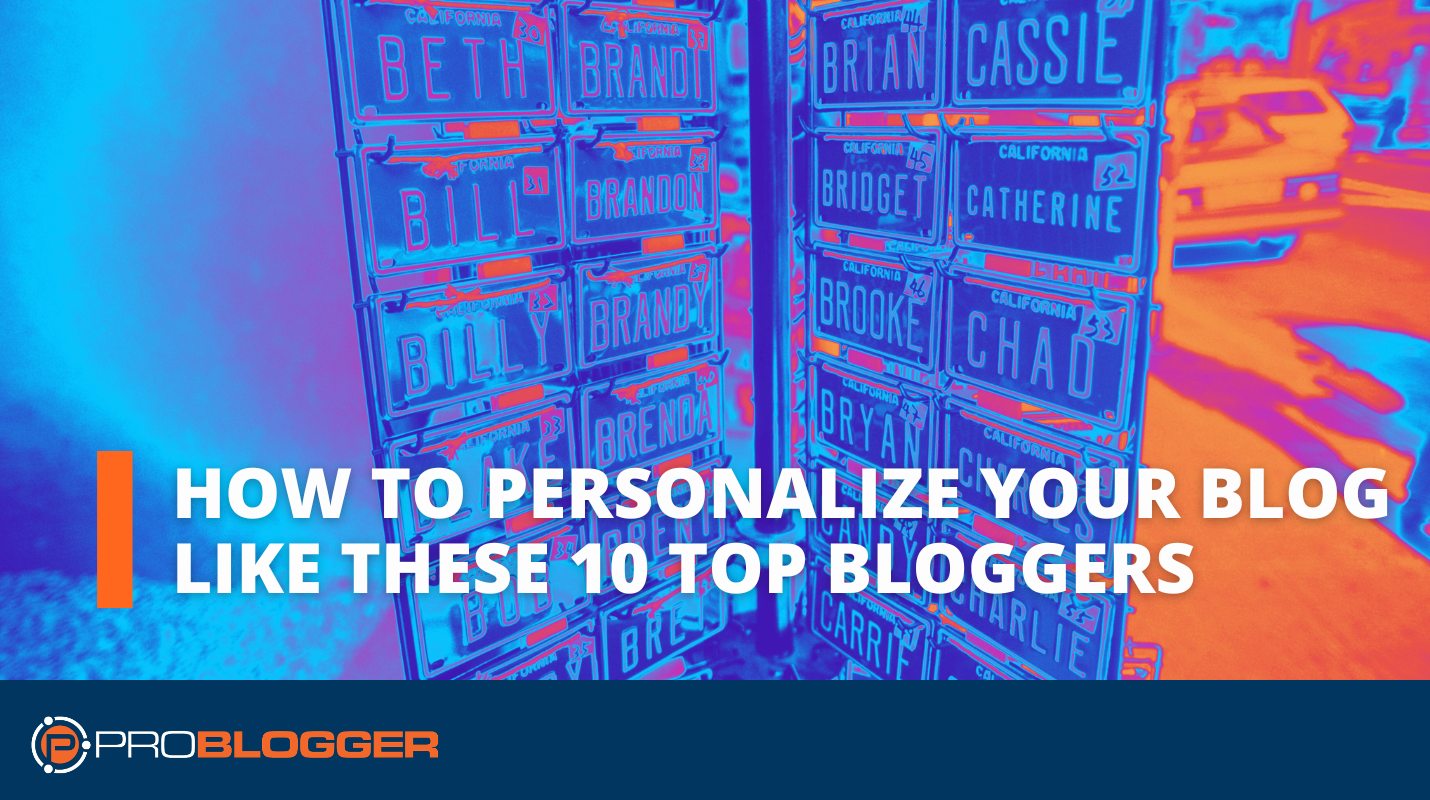
1: Include Great Photos, like Caz and Craig from YTravel
Certain content categories practically demand striking visual imagery to succeed. Travel blogging is a prime example of this rule, alongside food preparation, crafting, and fashion. When readers visit a digital publication focused on exploring the world, they want to see the human experience behind the journey.
Caz and Craig of YTravel excel at this by featuring gorgeous, smiling photographs of their family throughout their digital properties. Some of these visuals are simple, candid snapshots that capture authentic moments of daily life on the road, while other images are more intentionally posed to highlight specific destinations or milestones.
The lesson embedded in their approach is that visual authenticity grounds digital content in reality. Instead of relying on sterile stock photography that fails to evoke emotion, incorporating real people and genuine moments allows an audience to project themselves into the narrative, fostering a deeper sense of trust and community.
2: Add Some Flair, like Pat Flynn from Smart Passive Income
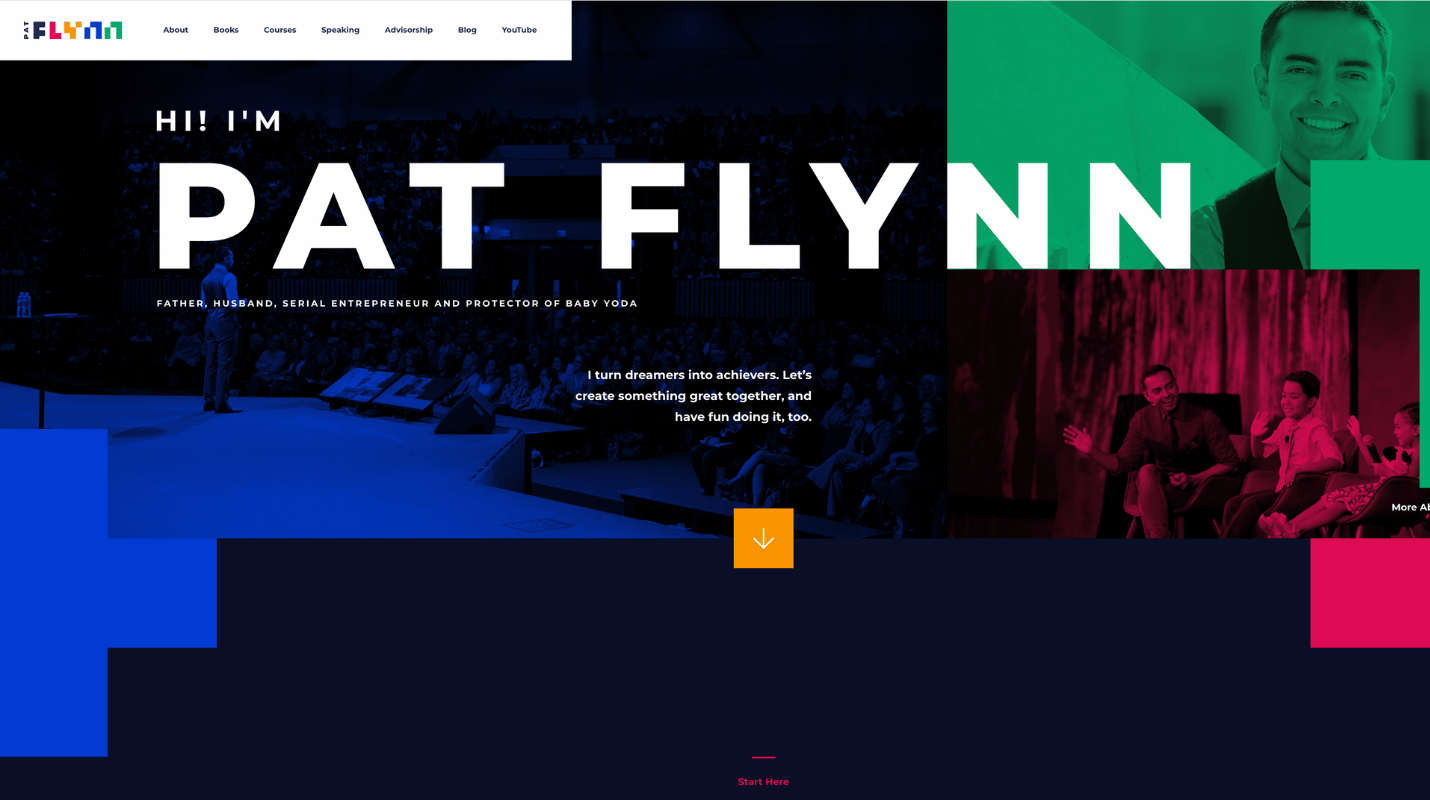
First impressions matter immensely in the digital publishing space. As soon as visitors arrive at Pat Flynn’s Smart Passive Income platform, they are greeted by bold typography displaying his name alongside descriptive imagery that immediately communicates his core identity as a father, husband, and serial entrepreneur, complemented by touches of his signature quirky humor.
This upfront declaration of personal identity establishes a conversational and transparent tone before the reader even dives into the substantive business advice. It signals that behind the complex strategies of passive income generation is a relatable human being with specific values, family commitments, and personal interests.
The primary takeaway from this branding choice is the importance of removing corporate anonymity from independent platforms. By foregrounding personal values and lighthearted character traits, creators can transform a business-centric website into an inviting destination where readers feel they are learning from a friend rather than a faceless corporation.
3: Develop a Strong, Identifiable Tone, like Shannon Kelly White
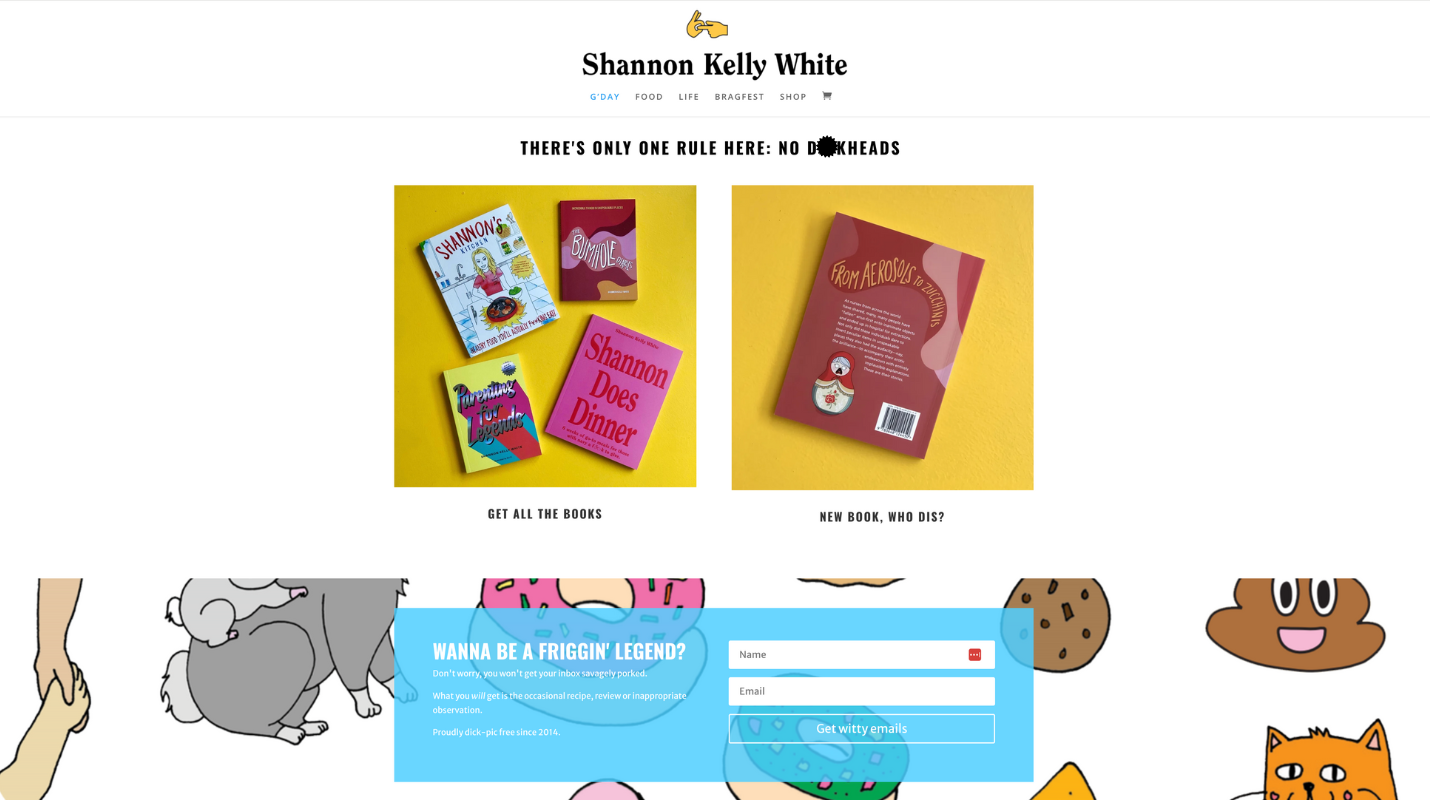
Adopting a distinct narrative voice invariably yields polarizing reactions among readers. A strong tone means that some visitors will deeply resonate with the style and find it to be the primary driver of their loyalty, while others may feel alienated and choose not to return. Shannon Kelly White embraces this dynamic by incorporating enthusiastic and frequent salty language directly into her platform, including her taglines and navigation menus.
This unfiltered approach ensures that her content is never mistaken for generic writing. It establishes an immediate filter that attracts an audience aligned with her unfiltered perspective while naturally repelling those looking for traditional corporate decorum.
The lesson here centers on the power of polarization in audience building. Trying to appeal to everyone often results in engaging no one. Developing an unapologetic, distinct tone guarantees that those who stay will form an exceptionally strong bond with the creator and the brand.
4: Get Custom Illustrations, like Ramsey from Blog Tyrant
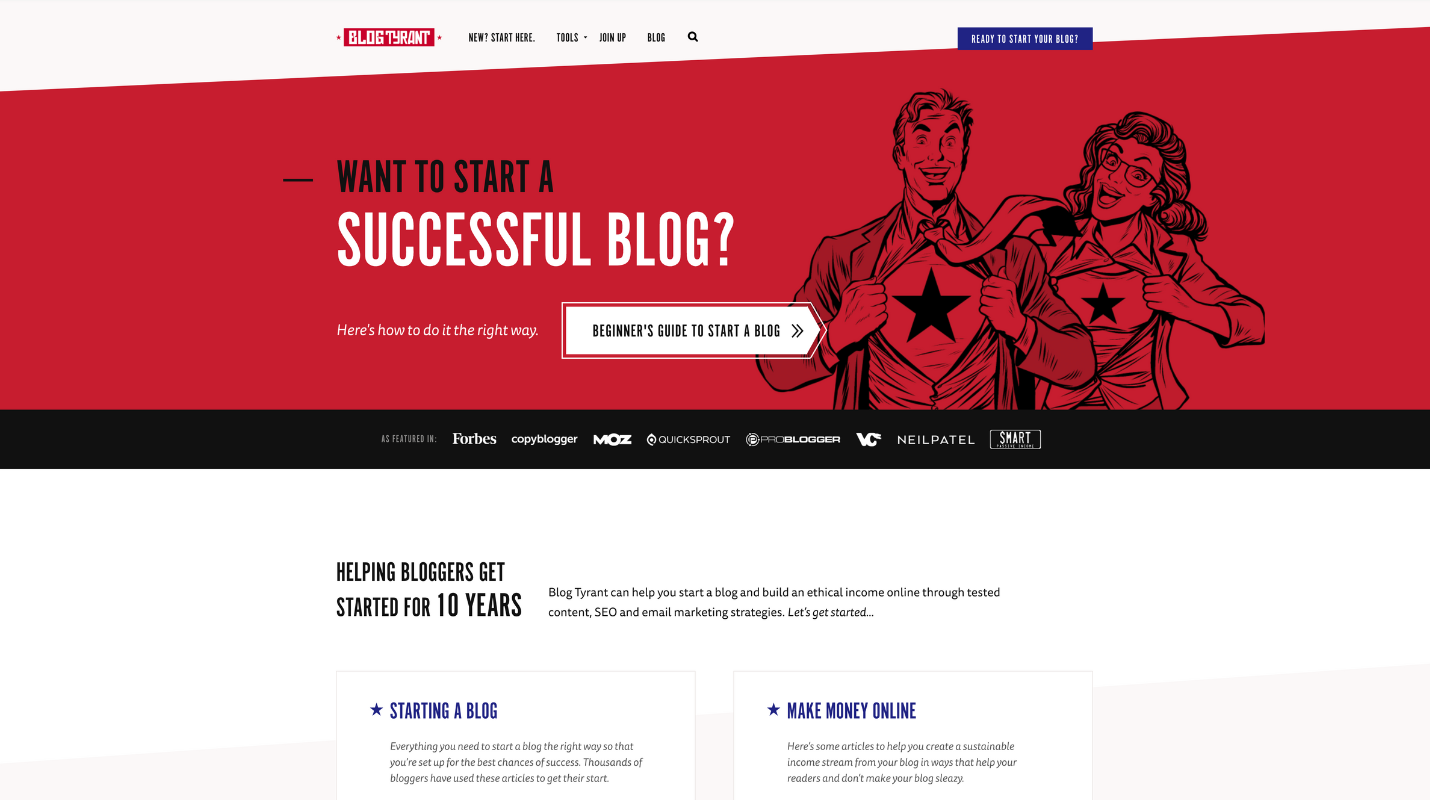
Visual branding extends far beyond traditional photography. On Blog Tyrant, visitors are immediately greeted by a signature red-shirted superhero avatar. This custom illustration is prominently featured in the primary banner on the homepage, integrated into the header images of multiple articles, and utilized on the cover of the site’s flagship free reports.
Rather than recycling generic vector graphics found on open-source design websites, investing in a unique, custom-illustrated persona creates an immediate visual anchor for the brand. It injects a sense of playfulness and storytelling into a niche that often takes itself far too serious.
This strategy demonstrates that visual consistency through bespoke art can solidify brand recognition. When readers encounter that distinct illustration across various social channels and promotional materials, they instantly recognize the source, reinforcing brand recall in a crowded marketplace.
5: Focus on Your About Page, like Elsie and Emma from A Beautiful Mess
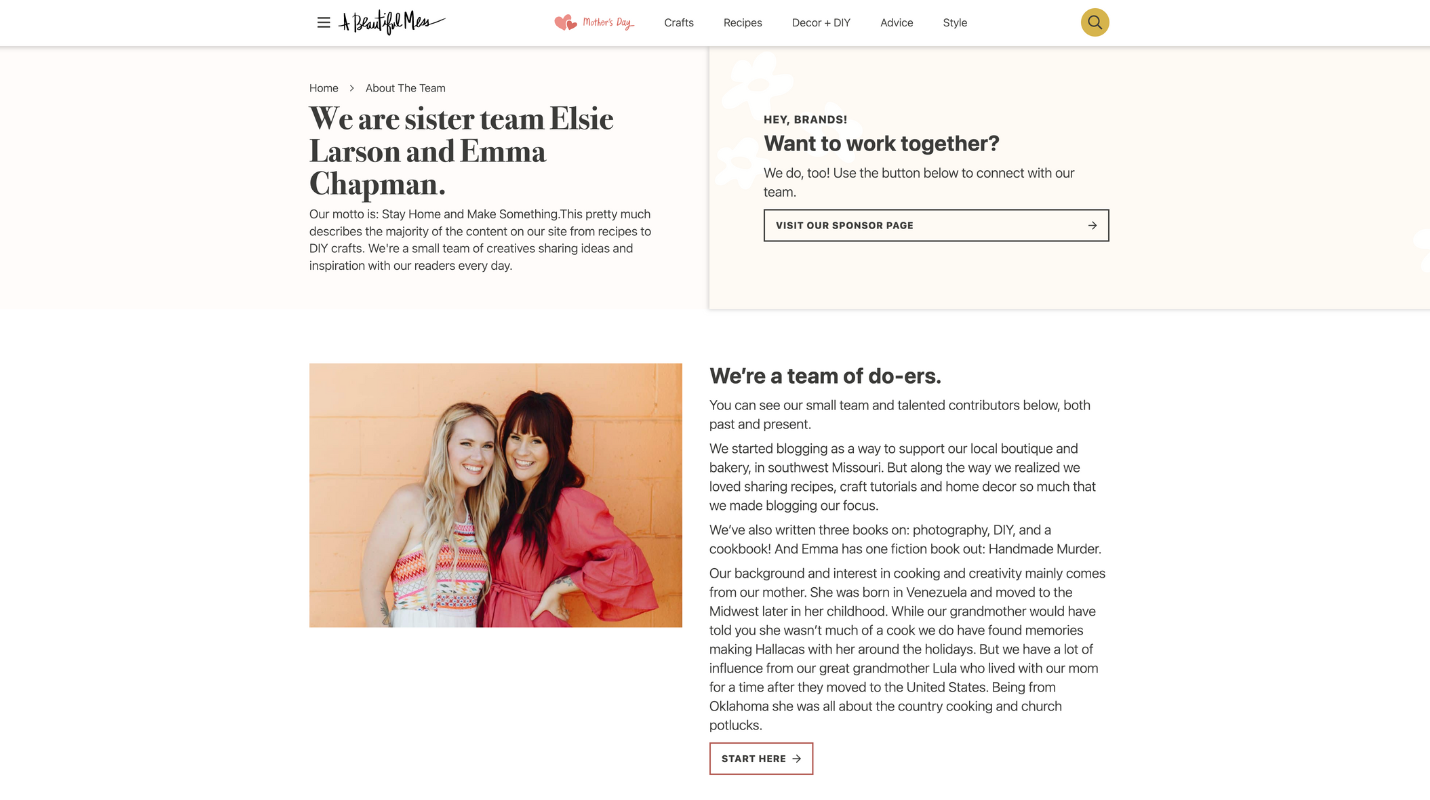
New readers frequently discover independent publications through specific articles rather than the homepage, landing deep within the archives via search engines or social media shares. Once a visitor enjoys a particular piece of content, their natural next step is to investigate the creator behind the words by navigating to the About page.
Elsie and Emma of A Beautiful Mess treat this crucial touchpoint with deliberate care. They provide an immediate, stylish glimpse into who they are through vibrant, bold imagery paired with concise yet captivating biographical introductions that capture their creative ethos.
The core lesson is that an About page should never be treated as an afterthought or a boring resume. It represents a prime real estate opportunity to convert a one-time visitor into a dedicated follower by establishing human connection, sharing core motivations, and presenting personal stories with flair.
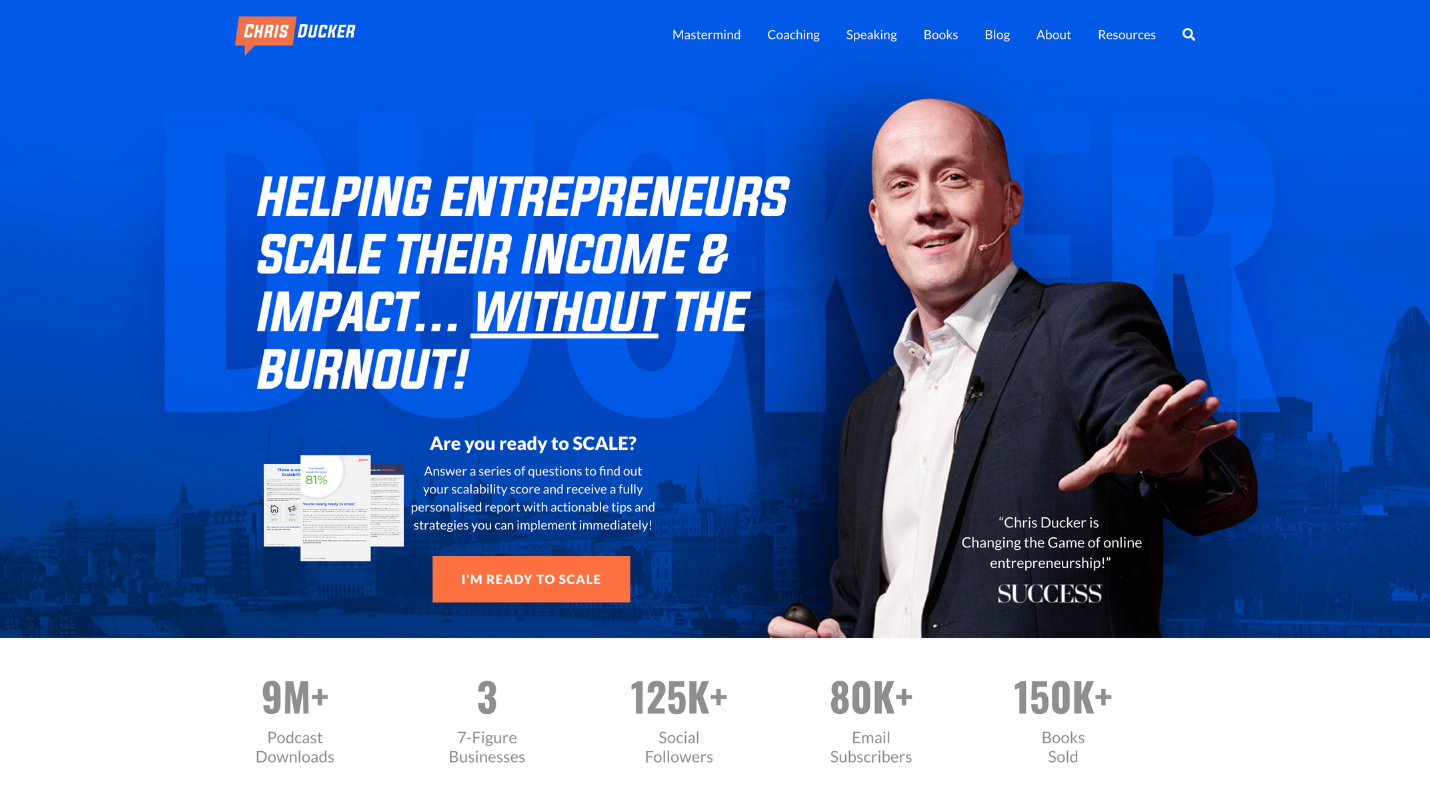
6: Be Consistent With Your Branding Across Platforms, like Chris Ducker
Digital creators rarely operate within the confines of a single website; they distribute content across social media networks, podcast directories, and guest blogging platforms. Chris Ducker maintains a cohesive digital footprint by utilizing the exact same professional yet approachable smiling headshot across his blog post graphics, his About page, and his profiles on Twitter, Facebook, and LinkedIn.
This deliberate visual consistency eliminates confusion for community members navigating between different platforms. Whether a reader interacts with his brand on an email newsletter, a social media thread, or the main website, the visual anchor remains identical.
The takeaway highlights the necessity of unified cross-platform branding. Consistency breeds familiarity and trust, ensuring that a creator’s digital presence feels like a singular, unified enterprise regardless of where the audience member chooses to engage.
7: Use Color to Boost Your Brand, like Jadah Sellner
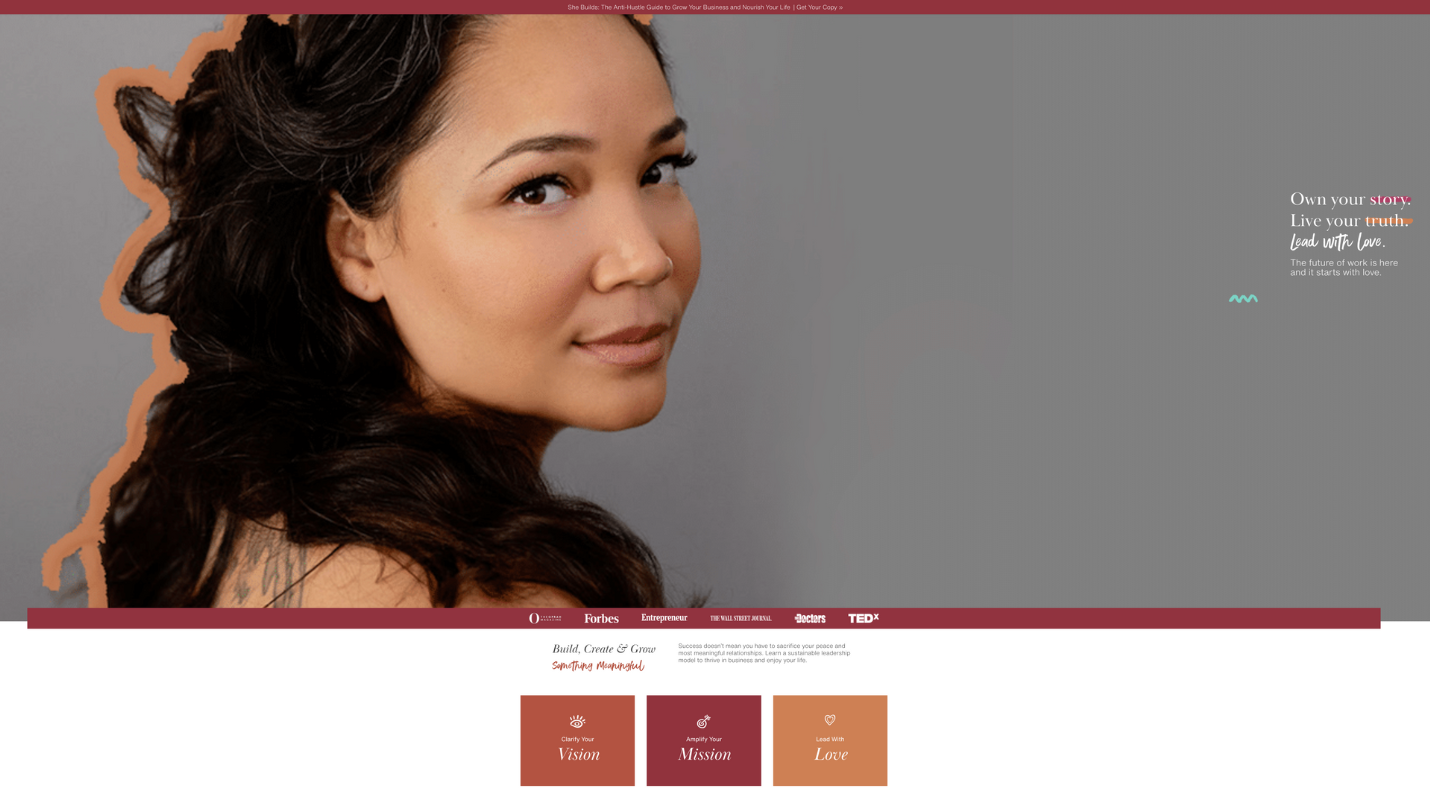
Aesthetics play a profound psychological role in how visitors perceive digital content. Upon arriving at Jadah Sellner’s website, the viewer’s gaze is instantly drawn to a carefully curated color palette that feels intentional, warm, and harmonious, reminiscent of an earthy makeup palette.
Crucially, the visual styling extends to the creator herself; the tones and colors worn in her imagery tie in seamlessly with the overarching design scheme of the site. This creates an immersive visual environment where every element feels connected.
The underlying lesson emphasizes that intentional design choices go beyond mere decoration. When color schemes, personal styling, and website aesthetics align cohesively, the entire digital property transitions from a simple text repository into an aesthetically pleasing and memorable brand experience.
8: Use a Brand Statement in Your Content, like James Schramko from SuperFastBusiness
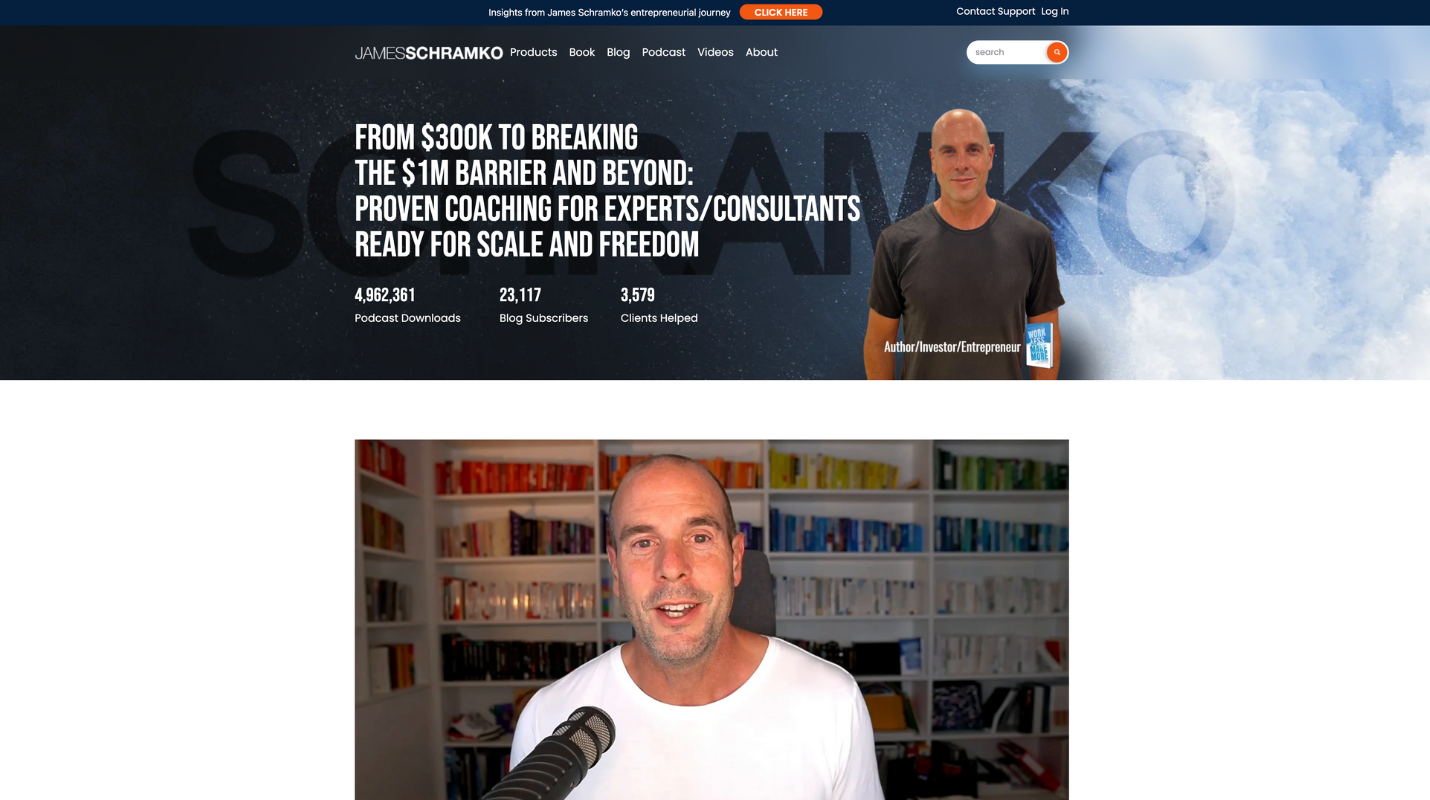
Clarity is paramount when capturing the attention of digital audiences who possess notoriously short attention spans. On James Schramko’s SuperFastBusiness platform, the very first element visitors encounter is an explicit brand statement that clearly outlines his business coaching services and precisely identifies the target demographic they are designed to serve.
This immediate clarity ensures there is zero ambiguity regarding the purpose of the site. Within seconds, a visitor knows exactly what problem is being solved, what expertise is being offered, and whether they belong in the intended audience.
This approach demonstrates that front-loading brand identity prevents visitor fatigue. By explicitly stating who the content is for and what value it provides right at the entrance, creators can immediately qualify their traffic and retain the right readers.
9: Have a Tagline and Call to Action That Cuts Straight to the Chase, like Kelly Exeter
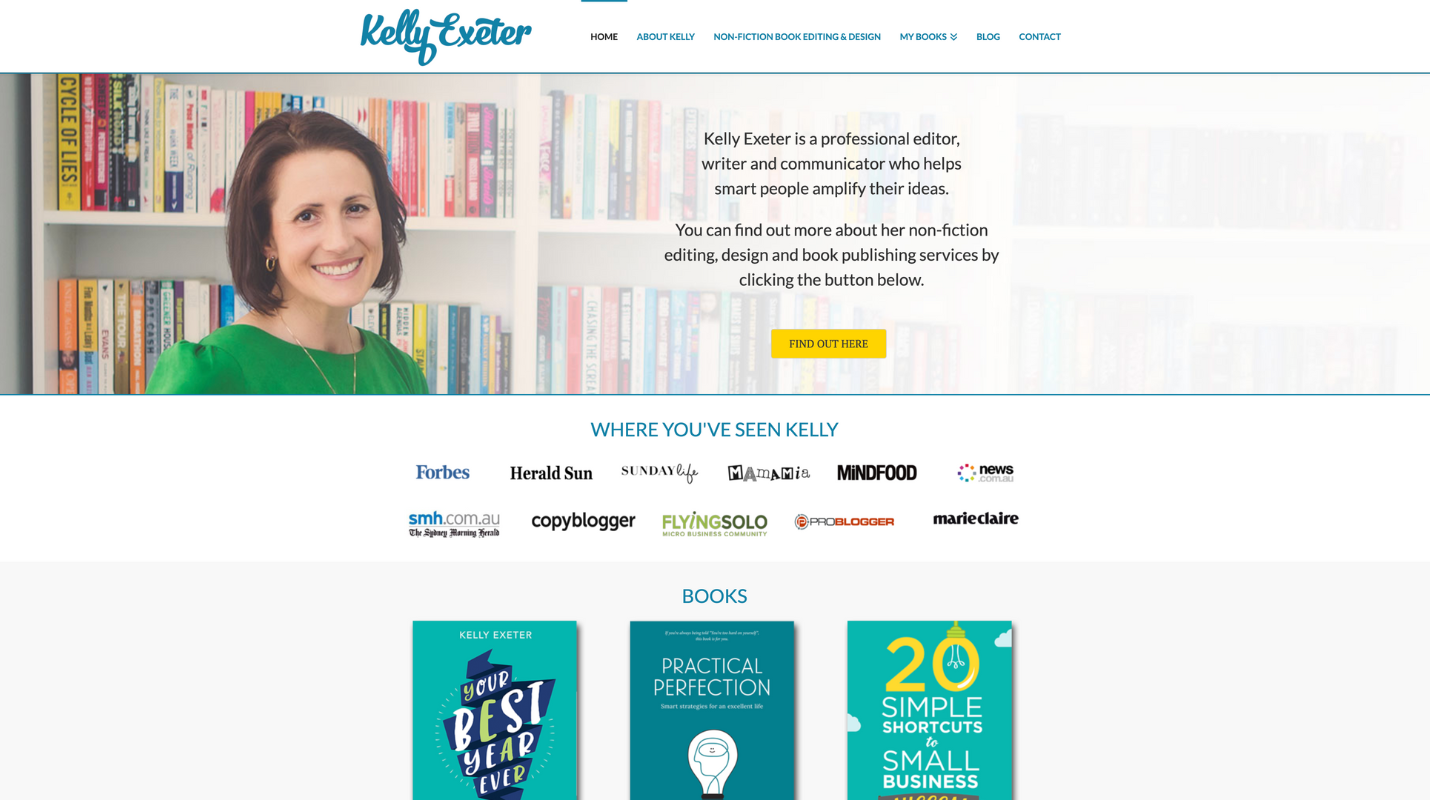
Successfully guiding readers requires removing unnecessary friction in the user journey. When a creator can articulate their value proposition concisely, letting ideal readers know they have arrived at the right place, engagement naturally increases. Kelly Exeter exemplifies this by pairing a direct, clarifying tagline with an immediate call to action.
Rather than forcing prospective subscribers through a complicated multi-step email sequence or burying conversion points deep within the site architecture, the approach relies on straightforward signposts that direct interested users precisely where they need to go to access assistance.
The lesson derived from this strategy is that simplicity converts. Complex funnels often deter casual visitors, whereas clear, frictionless pathways encourage immediate participation and deeper exploration of a creator’s offerings.
10: Personalize Your Reader by Defining Them
Defining an audience can be just as powerful as defining the creator. Emily, founder of Puttylike, popularized the term "Multipotentialite" through her widely viewed public speaking engagements, successfully establishing a psychological category for individuals with diverse interests and professional pursuits.
Leveraging this concept directly on her platform, she utilizes an interactive quiz on the homepage as a lead magnet, inviting random visitors to discover whether they fit the definition. This clever mechanism transforms anonymous drive-by traffic into invested community members who suddenly feel deeply understood.
The ultimate takeaway from these diverse digital publishing strategies is that personalization is not merely an aesthetic choice; it is a foundational mechanism for building resonance. Whether through striking imagery, distinct verbal tones, custom illustration, or audience categorization, injecting humanity into a digital platform remains the most reliable path to cutting through the noise of the modern web.