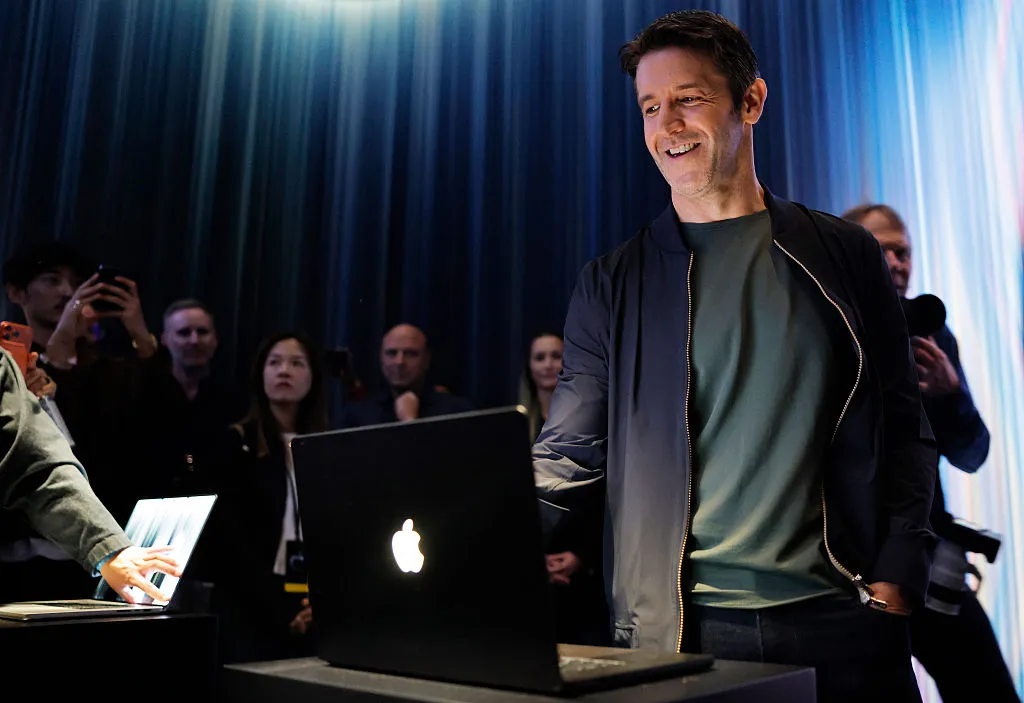
In a wide-ranging discussion that highlights a pivotal transitional phase for the world’s most valuable technology brand, Apple Chief Executive Officer John Ternus has strongly defended the company’s current positioning within the fiercely competitive artificial intelligence landscape. Speaking with veteran tech journalist Steven Levy for Wired, Ternus addressed longstanding criticisms that Apple has lagged behind its Silicon Valley peers in the AI race, offering a window into the philosophy guiding the tech giant under his new leadership.
The interview arrives at a crucial juncture for Apple. Over the past couple of years, market analysts, industry observers, and disgruntled consumers have frequently characterized the Cupertino-based company as playing catch-up in the generative AI boom. These perceptions were amplified by repeated delays surrounding a significantly more powerful, context-aware version of Siri—an upgraded assistant that ultimately rolled out to consumers earlier this summer.
Despite the murmurs and skepticism from competitors who rushed to flood the market with early, sometimes unstable AI features, Ternus remains remarkably unperturbed. Having officially stepped into the role of CEO at the beginning of September after succeeding Tim Cook, Ternus is wasting no time putting his stamp on the company’s public narrative. A longtime Apple executive who previously oversaw hardware engineering, Ternus acknowledged the peanut gallery during his conversation with Levy, noting simply that "everyone has an opinion." However, he made it abundantly clear that he is entirely comfortable with Apple’s current trajectory. "I really like where we’re at," he asserted.
Ternus elaborated on Apple’s overarching philosophy regarding emerging technologies, emphasizing that the company is deliberate rather than hesitant. He stressed that Apple is "absolutely going to leverage AI" across its expanding ecosystem of hardware and software products. Yet, he drew a sharp distinction between Apple’s methodology and the widespread industry trend of pushing out technology simply because it is new.
"We don’t want to ship AI for AI’s sake," Ternus explained to Levy. He articulated a vision where advanced technology recedes into the background, prioritizing seamless utility over flashy branding. "When we’re doing it right, people won’t have to think about whether it was AI that made this happen or more traditional software. What matters is, did we build something that they really love?"

This philosophy of integration over novelty has long been a hallmark of Apple’s product strategy, historically defining successful rollouts like the transition to Apple Silicon or the introduction of the original iPhone. By framing AI not as a standalone gimmick but as an invisible enabler of better user experiences, Ternus is doubling down on the company’s traditional strengths: hardware-software synergy and obsessive focus on consumer satisfaction.
The interview also touched upon deeper existential questions facing the software industry at large. As autonomous AI agents become more sophisticated, tech visionaries have increasingly debated whether these agents might eventually disintermediate traditional application ecosystems entirely. In such a future, consumers might no longer need to open individual apps for banking, travel booking, or messaging; instead, a singular AI agent would execute tasks behind the scenes based on natural language prompts.
When Levy pressed Ternus on whether this shift could profoundly disrupt Apple and its lucrative App Store ecosystem by rendering apps unnecessary, the CEO offered a grounded, human-centric perspective. While acknowledging the theoretical convenience of such a future, Ternus steered the conversation back to the craft of making things.
"That could make life really easy, I suppose," Ternus replied, "but the creation of products is a deeply human and personal thing, something that we love to do."
As Ternus settles into his tenure as chief executive, his early remarks signal that Apple intends to chart its own course through the AI era—prioritizing integrated, human-centric design over reactive industry trends, even as the landscape around it continues to shift at a breakneck pace.