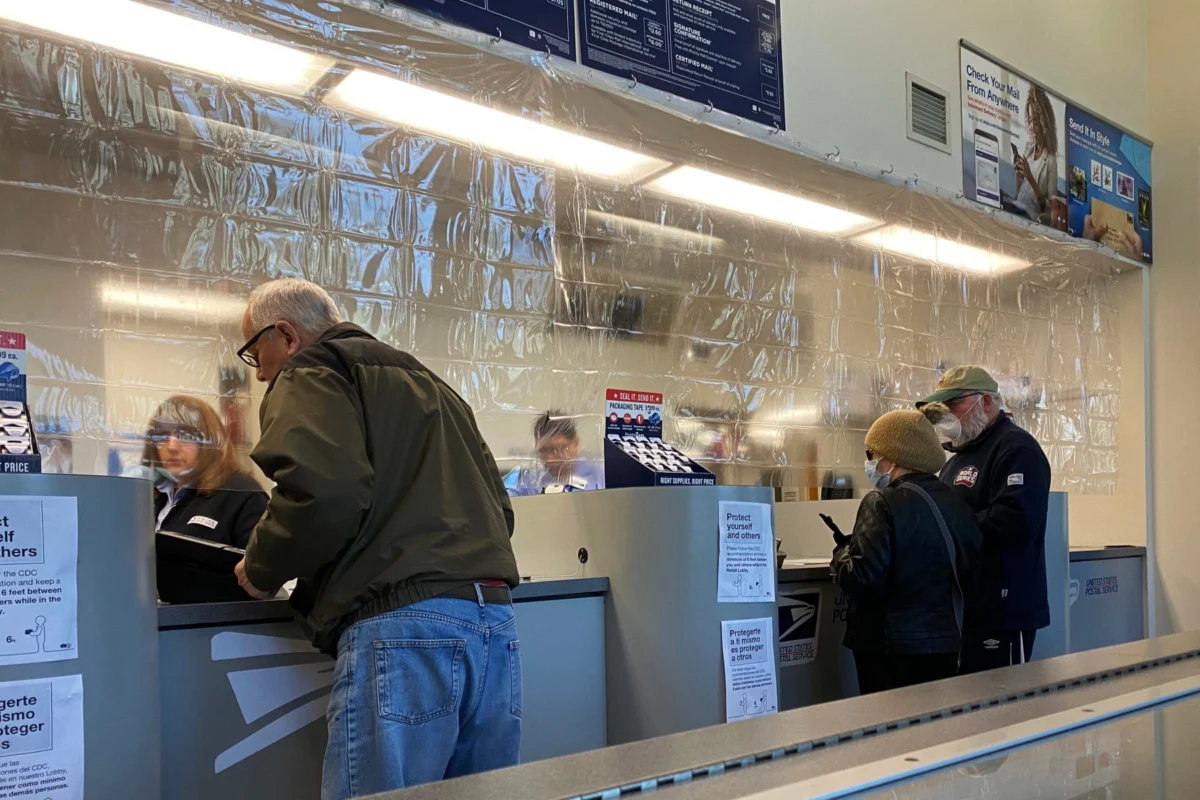
The United States Postal Service has officially introduced its temporary holiday shipping price increases, a seasonal adjustment that will impact millions of Americans mailing gifts, care packages, and online orders through the winter season. Depending on package weight, destination, and the chosen delivery service, customers could see additional charges ranging from 50 cents to more than $20.
For families already navigating a challenging economic landscape marked by elevated grocery prices, rising utility bills, and other seasonal expenses, these added shipping costs introduce an extra layer of financial pressure. A consumer mailing gifts to multiple relatives across the country, for example, could easily find their holiday budget strained by the cumulative effect of the surcharges. According to official announcements from the Postal Service, these temporary pricing adjustments take effect on October 4, and are scheduled to remain in place through January 17, next year. Understanding which services are impacted and how to manage these costs can help shoppers protect their wallets during the busiest mailing period of the year.
Why USPS Raised Shipping Prices for the Holidays
The implementation of temporary holiday shipping surcharges is a practice the Postal Service utilizes to manage the logistical challenges and financial burdens associated with the surge in package volume during the autumn and winter months. The postal agency originally announced these adjustments months in advance, noting that the dramatic increase in volume creates significantly higher handling and transportation demands across its nationwide infrastructure.
The seasonal updates apply to several primary domestic shipping services, including Priority Mail, Priority Mail Express, USPS Ground Advantage, and Parcel Select. Unlike permanent rate hikes that alter the baseline cost of postage indefinitely, these seasonal surcharges are designed to expire once the holiday rush concludes in mid-January, returning baseline pricing structures to their standard levels, though future regulatory adjustments remain a possibility. The Postal Service maintains that these temporary measures are necessary to sustain the reliability and integrity of its delivery network while keeping its package shipping rates competitive with private carriers.
Ground Advantage Packages Could Cost Up to $7.50 More
USPS Ground Advantage has become a preferred option for many consumers and small businesses looking for economical shipping solutions without paying premium prices for expedited delivery services. Under the revised retail pricing schedule, however, even this budget-friendly option sees notable seasonal increases.
For packages weighing up to three pounds traveling through shorter distances, specifically Zones 1 through 4, customers face an additional 50-cent surcharge. For shipments traveling across longer distances into Zones 5 through 9, the surcharge increases to 75 cents. As package weights scale upward between four and ten pounds, the financial adjustments range from 80 cents for nearby destinations up to $1.40 for cross-country shipments. Heavier packages experience the most substantial adjustments under the schedule, with certain shipments weighing between 26 and 70 pounds incurring increases of up to $7.50 when moving through Zones 5 through 9. These surcharges are added directly to the existing shipping rates rather than replacing the base postage, requiring consumers to calculate their final totals carefully before dispatching their items.
Priority Mail Customers Will Also Pay More
Consumers who rely on Priority Mail for dependable, faster delivery times during the holiday gifting season will also notice immediate price increases at post office retail counters. For retail packages weighing up to three pounds, the temporary holiday surcharge is set at 50 cents for Zones 1 through 4 and rises to $1 for Zones 5 through 9.
As shipment weights increase to between four and ten pounds, the additional cost ranges from 80 cents to $2.10, depending heavily on the geographical shipping zone. The adjustments scale up sharply for heavier parcels, climbing to $4.30 for certain packages in the 11-to-25-pound range, and reaching as high as $9.10 for heavy shipments weighing between 26 and 70 pounds traveling longer distances. For shoppers preparing to send large quantities of gifts to family members in distant states, evaluating the cost differences between Priority Mail and Ground Advantage can help mitigate these seasonal expenses.
Flat Rate Boxes Aren’t Exempt From the Increase
Priority Mail Flat Rate packaging has long been a favorite for holiday shoppers because it removes the uncertainty of weight and distance calculations, allowing customers to ship items of any weight for a single fixed price, provided they fit within the designated container requirements. Despite their simplicity and popularity, these flat-rate options are not exempt from the current seasonal price adjustments.
According to postal guidelines, the retail surcharge for a Large Flat Rate Box is $2.10, while other corresponding Priority Mail Flat Rate products face a $1 increase. For instance, a shopper mailing multiple Large Flat Rate Boxes over the course of the holiday season will accumulate noticeable extra costs purely from the seasonal surcharges alone. While flat-rate packaging continues to provide savings for exceptionally heavy, compact items, consumers are advised to compare these total costs against standard weight-based shipping options before making a final selection at the counter.

Priority Mail Express Has the Largest Increases
For those facing strict deadlines or shipping last-minute gifts, Priority Mail Express represents the fastest domestic delivery option offered by the Postal Service, but it also carries the highest financial burden during the holiday season.
Retail surcharges for expedited express shipments begin at $1.40 for packages weighing up to three pounds moving through Zones 1 through 4. For packages weighing between four and ten pounds, the seasonal additions scale upward from $2.45 to $6.30, varying according to the designated shipping zone. The highest retail surcharge listed under the current schedule is a substantial $20.80, which applies to specific heavy packages weighing between 26 and 70 pounds traveling across the longest distances through Zones 5 through 9.
Regular Stamps and Letters Aren’t Part of This Increase
Amid news of rising package rates, there is relief for individuals who primarily use the postal system to send traditional correspondence, greeting cards, and holiday letters. The temporary holiday pricing adjustments are strictly targeted at specific package delivery services rather than the entire portfolio of products offered by the Postal Service.
USPS has clarified that no other products or services are impacted by this particular round of seasonal adjustments, meaning traditional First-Class Mail letters and standard stamped envelopes remain untouched by these holiday surcharges. Nevertheless, this exemption does not preclude separate, periodic adjustments to standard mail rates authorized through regular regulatory channels. For those who choose to send handwritten holiday cards rather than physical gift parcels, the process will remain free from the specific package surcharges outlined in the current announcement.
Online Sellers May Face Different Shipping Increases
The seasonal pricing changes carry unique implications for independent creators, online merchants, and small business owners who rely heavily on e-commerce platforms to sell merchandise, handmade crafts, and collectibles. Commercial shipping rates, which are typically utilized by online sellers, differ significantly from standard retail counter prices. Furthermore, the specific seasonal surcharges for commercial accounts vary according to the selected service, package weight, destination zone, and occasionally physical dimensions.
For example, commercial Ground Advantage packages weighing up to three pounds traveling through the nearest zones face a 40-cent increase, which is slightly lower than the 50-cent retail adjustment for the same category. Conversely, certain heavier commercial shipments moving through distant zones face surcharges reaching up to $7.70. E-commerce operators are encouraged to review their shipping software integrations, label-printing platforms, and marketplace pricing configurations to ensure that these temporary operational costs do not erode their profit margins during the critical fourth-quarter sales period.
How to Keep Your Holiday Shipping Costs Down
Navigating the seasonal price increases effectively requires proactive planning and comparison of available mailing services before arriving at a local post office branch. The Postal Service provides online tools, such as its official postage price calculator, which allow consumers to estimate exact shipping costs by inputting package weight, precise dimensions, destination zip codes, and planned mailing dates. Selecting a slightly smaller, more appropriately proportioned box can often prevent dimensional weight penalties and lower overall shipping expenditures.
Consumers mailing gifts to scattered family members may also explore alternative fulfillment strategies, such as purchasing items directly from online retailers that offer free or discounted shipping promotions, thereby bypassing the need to receive and reship purchases independently. Additionally, acquiring postage labels online through authorized vendors may present different rate structures compared to traditional retail windows, though shoppers should always evaluate the final comprehensive cost to ensure they secure the best possible value.
A Little Planning Could Protect Your Holiday Budget
The introduction of the USPS holiday shipping price adjustments arrives at a time when households are closely monitoring their overall discretionary spending. While individual surcharges may appear modest at first glance, extra fees accumulate rapidly when managing multiple shipments to extended family members or professional clients. Because the most significant financial increases are concentrated on heavier shipments, longer shipping zones, and expedited delivery services, early preparation is essential for maintaining control over seasonal expenses.
Utilizing available online estimation tools, evaluating alternative packaging sizes, and considering slower, ground-based delivery options can help prevent unexpected expenses at the retail counter. With the seasonal pricing structure remaining active well into the new year, reviewing mailing options ahead of time offers a practical way to manage holiday logistics without financial surprises.