The modern web development landscape has shifted dramatically, making it faster and easier than ever to spin up a static website without ever touching a traditional content management system. Leveraging static frameworks like Astro, Jekyll, Gatsby, Hugo, and Next.js has become a popular approach, turbocharged by the rise of "vibe coding"—a development style heavily driven by artificial intelligence. However, industry professionals are warning that an easier build process does not automatically translate to an easier optimization process.
Traditional content management systems like WordPress quietly handle a multitude of search engine optimization basics right out of the box. Through built-in functionality and plugins, they manage canonical tags, XML sitemaps, automated redirects, metadata templates, structured data schema, and 404 error handling. When developers and marketers transition to static websites, that administrative safety net disappears, transferring the burden of configuration and monitoring entirely to the creator.
To explore where implementations frequently falter in real-world scenarios, industry experts Suganthan Mohanadasan, Pedro Dias, and Ryan Law recently shared their insights on the practical challenges of building and maintaining static sites.
Summarizing the core paradigm shift, Suganthan noted that moving to a static architecture does not actually eliminate SEO labor; rather, it simply relocates it. While WordPress conceals a vast array of defaults behind automated plugins, static frameworks turn each of those underlying functions into an individual task that must be handled manually. This reality does not render static sites inferior for search visibility, but it does necessitate a thorough understanding of what automated systems previously managed and what must now be consciously built, configured, and monitored.
Common Technical Pitfalls in Static Environments
While static websites are celebrated for their speed and clean codebases, the absence of an active CMS or automated plugin layer leaves a wide margin for subtle technical errors to slip unnoticed into production. This vulnerability is magnified significantly in vibe-coded projects. Although artificial intelligence can rapidly construct web pages, it inherently lacks a comprehensive awareness of overarching site-wide SEO conventions unless explicitly and meticulously guided.
Among the most frequent issues are conflicts between trailing slashes and canonical URLs. Website hosting platforms and static site frameworks frequently disagree on whether a specific URL should terminate with a trailing slash. When a framework generates one URL format while a host serves or redirects to another, canonical tags, internal links, and redirect paths can quickly fall out of alignment. At best, this friction creates redundant redirect chains; at worst, it introduces duplicate URLs that split ranking signals across search engines.

Similar complications frequently arise with XML sitemaps and robots.txt files. Because static site sitemaps are typically generated programmatically, the underlying code often fails to cross-reference pages marked with a noindex directive. Consequently, drafts, thank-you pages, confirmation screens, and other sensitive URLs intended to remain hidden from search engines can accidentally populate public sitemaps and RSS feeds. Furthermore, if a deployment lacks a properly configured robots.txt file, critical crawling directives may be omitted entirely, leaving site managers to audit their infrastructure manually using comprehensive diagnostic tools like Ahrefs Site Audit to catch these hidden oversights.
Image Optimization and Template-Driven Metadata Failures
Another area requiring rigorous oversight involves asset management and image optimization. While certain static frameworks include advanced tools for resizing, compressing, and serving modern image formats efficiently, others—such as Jekyll—copy image files in their raw formats by default unless supplemented by plugins, content delivery networks, or pre-publishing workflows. Even frameworks equipped with robust native components will fail to optimize assets if developers drop raw images directly into standard HTML markup instead of routing them through the designated pipeline. Publishing oversized files or omitting essential alt text can silently degrade mobile page weights and accessibility compliance without causing the build process to fail.
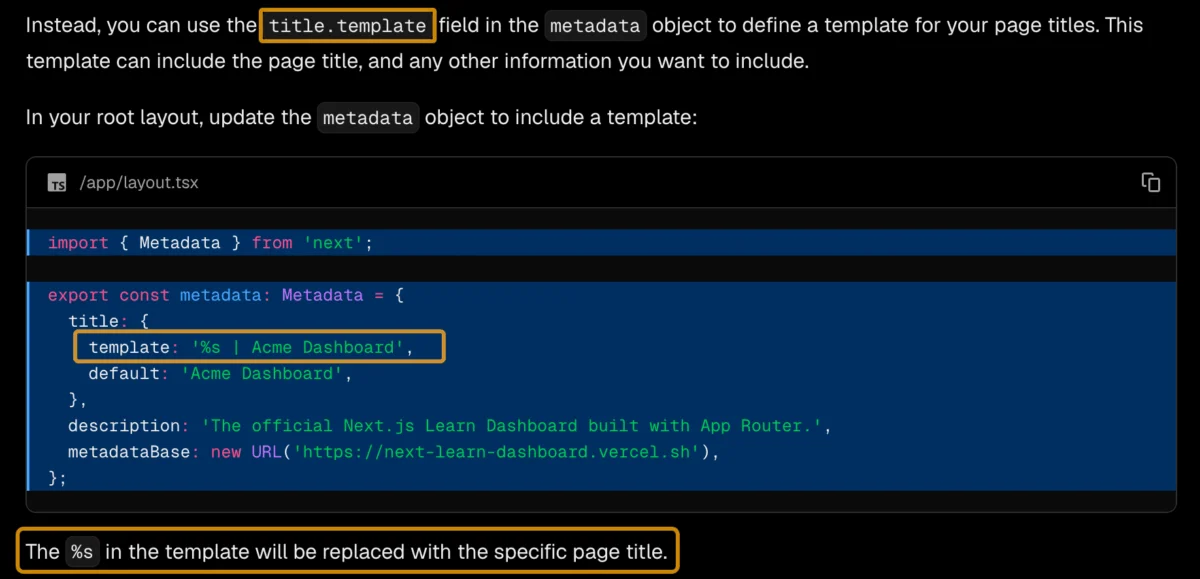
Shared templates introduce another layer of risk regarding metadata and structured data schema. Because static sites heavily rely on shared layouts to manage titles, meta descriptions, canonical tags, and schema markup across hundreds or thousands of pages simultaneously, a single misconfigured default can instantly corrupt an entire site. For instance, an automated script that appends a brand name to every page title can inadvertently push important titles past optimal character limits, while a flawed schema template can propagate invalid structured data globally. Because AI-generated templates often produce metadata that looks superficially polished, these structural errors frequently evade detection until performance metrics begin to suffer.
HTTP Status Codes and Internal Linking Discrepancies
Maintaining accurate HTTP status codes presents yet another technical hurdle. A static web page can visually display a user-friendly "404 Page Not Found" notice while inadvertently returning a successful 200 OK HTTP status code to search engine crawlers. This phenomenon typically occurs when framework configurations or hosting environments serve a default single-page application fallback for unrecognized routes. Search engines interpret these occurrences as soft 404 errors, wasting vital crawl budget on non-existent content.
Internal linking inconsistencies similarly plague rapidly deployed static projects. When AI-generated components or multiple templates construct internal links using varying conventions—such as mixing relative paths with absolute URLs or inconsistently applying trailing slashes—search engine crawlers experience confusion. Left unchecked, these discrepancies dilute internal PageRank distribution and undermine the effectiveness of the site’s intended architecture.
Ultimately, transitioning from a traditional content management system to a static framework requires treating the project as a comprehensive technical migration rather than a simple aesthetic redesign. While static architectures and vibe-coded workflows offer unprecedented speed and autonomy, they demand a rigorous commitment to manual configuration, rigorous testing, and continuous technical auditing to ensure long-term search performance remains uncompromised.