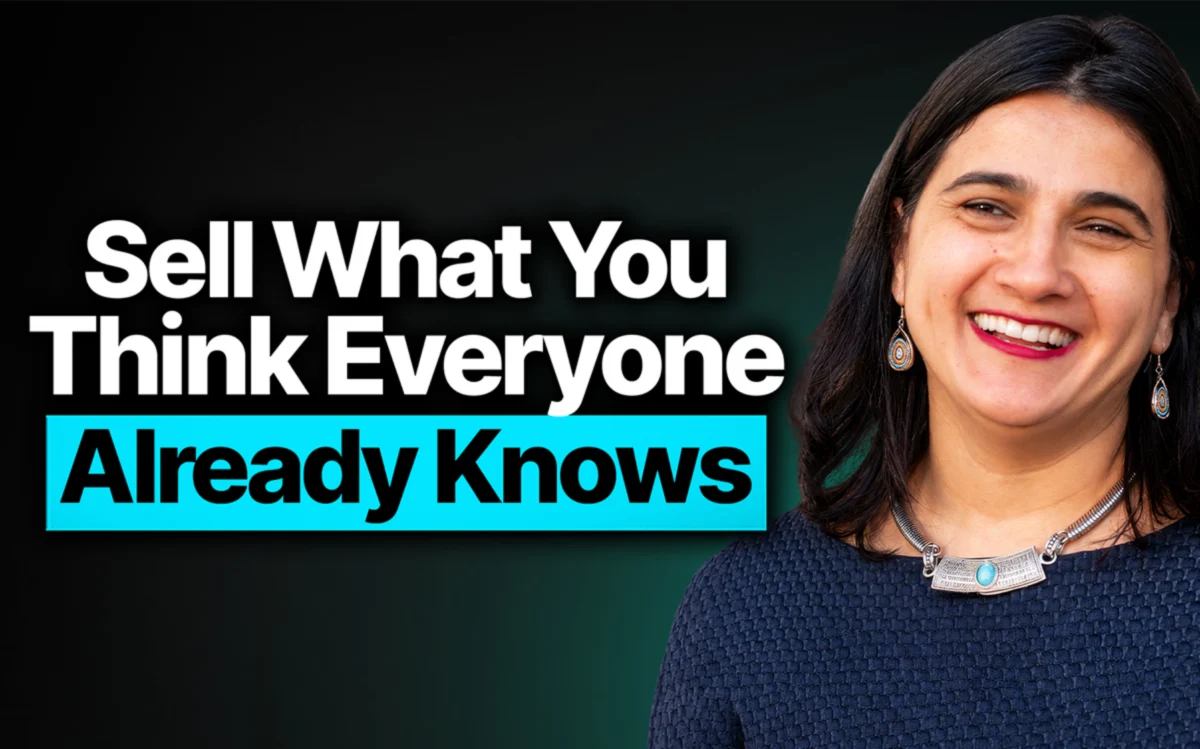
In the modern digital economy, depending on a single source of attention can leave media businesses vulnerable to shifting algorithms and unpredictable traffic drops. For media entrepreneur and veteran journalist Natasha Tynes, the solution has been to build an interconnected multi-channel ecosystem. Bringing roughly 25 years of extensive journalism and writing experience to her current business, Tynes has developed a sophisticated lead-generation framework that leverages Substack, LinkedIn, YouTube, and an upcoming paid community to guide prospective clients naturally toward her high-ticket services.
In a recent episode of the Niche Pursuits podcast, Tynes sat down to discuss the inner workings of her digital strategy. Rather than forcing all potential clients down a rigid, linear sales funnel, she utilizes a diversified publishing model where each platform serves a distinct, complementary purpose. Together, these channels provide multiple entry points for prospective clients to discover her expertise, build familiarity with her work, and ultimately transition into paying coaching or ghostwriting clients.
At the core of her email acquisition strategy is Substack, which currently supports an organic list of approximately 3,000 subscribers. Tynes built this audience entirely through organic reach across Substack, YouTube, and LinkedIn, entirely bypassing paid acquisition methods. Her approach to newsletter publishing involves maintaining both free and paid subscription options.
The free tier acts as a low-commitment gateway for new followers to enter her professional ecosystem and familiarize themselves with her perspectives on writing and media. Meanwhile, the paid tier offers deeper access for dedicated followers who want a closer look at her work. Crucially, Tynes does not view her newsletter merely as a direct-revenue product. Instead, she treats it as the primary engine feeding her high-value coaching and ghostwriting pipeline. Because service-based businesses often require repeated exposure before a prospect feels ready to hire, her newsletter provides a reliable touchpoint that nurtures relationships over weeks and months of consistent reading.
While Substack helps deepen relationships over time, LinkedIn serves a different and vital function in Natasha’s ecosystem: rapid professional discovery. Transitioning her focus to the professional networking platform, Tynes has found substantial success in placing her content directly in front of corporate and professional audiences who already have an operational need for high-level writing, journalism, and media strategy.
LinkedIn effectively shortens the distance between content consumption and direct conversation. A prospective client might stumble upon one of her posts, navigate directly to her profile, interact with her insights, and initiate a private message or consultation request without ever leaving the platform. This makes LinkedIn an indispensable tool for generating immediate business conversations, contrasting sharply with the long-form, nurturing relationship fostered by her Substack newsletter.
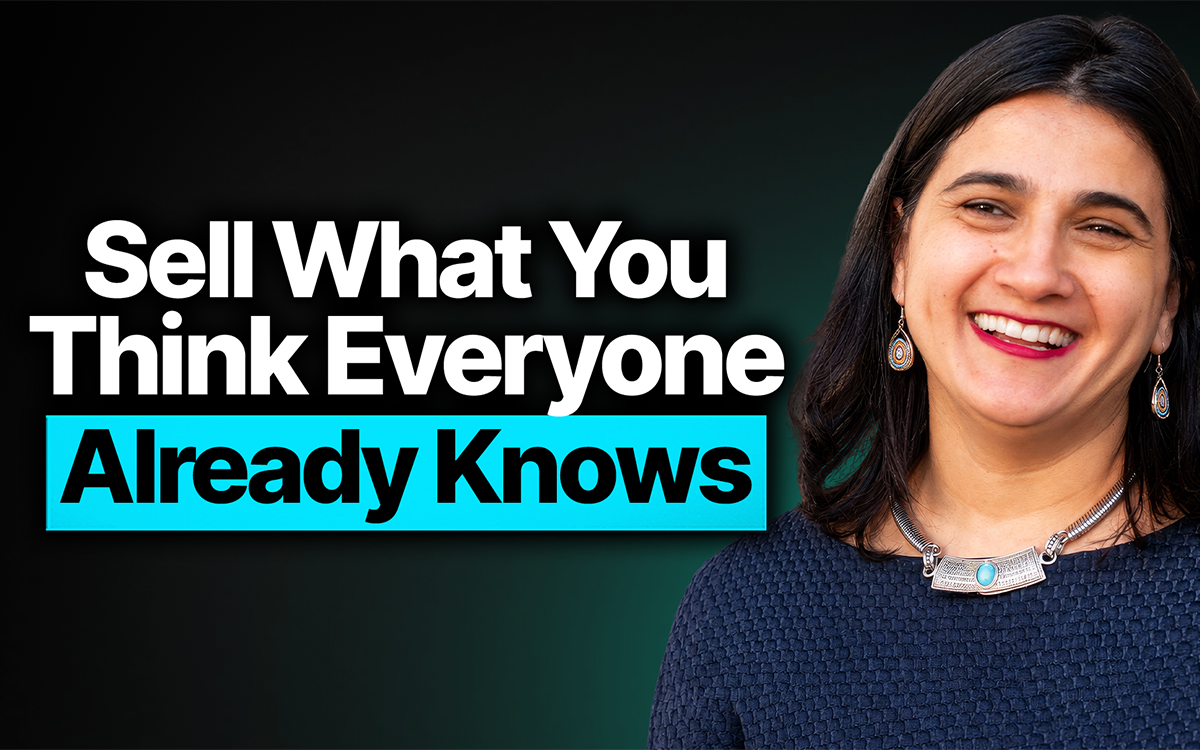
Adding another layer to her discovery engine is YouTube, which Tynes utilizes to expand her reach through video. Video content establishes an entirely different kind of connection, allowing potential clients to hear her communicate directly and spend extended periods engaging with her ideas. YouTube does not necessarily need to act as an immediate conversion point to prove its value. Instead, a viewer might discover Tynes through a video and later find their way to her newsletter, website, or LinkedIn profile, reinforcing the interconnected nature of her digital presence.
A central theme of Tynes’s business strategy is the deliberate connection of these channels rather than treating them as isolated marketing silos. A typical client journey rarely follows a single, predictable path. A prospective lead might encounter several pieces of content across multiple platforms over an extended period before finally reaching out. They may first discover an insightful video on YouTube, subscribe to the Substack newsletter for several months, engage with professional updates on LinkedIn, and finally submit an inquiry. This cross-pollination means attribution is rarely straightforward, yet the cumulative effect is a powerful, trust-building apparatus.
Because Tynes operates a service-based business centered around her decades of professional journalism and writing experience, her content serves as an ongoing live portfolio. Her posts, newsletters, and videos act as continuous demonstrations of her communication skills, strategic perspective, and industry expertise. This allows prospective clients to thoroughly evaluate her capabilities before making a financial commitment, paving the way for high-ticket client engagements rather than low-cost, hourly freelance assignments. Her professional offerings span specialized writing, publishing advisory, and comprehensive media work.
Furthermore, Tynes is actively expanding her funnel by developing a paid community. This upcoming initiative is designed to sit comfortably between consuming free public content and hiring her for bespoke, one-on-one professional services. The community will give her most committed followers a deeper level of engagement and participation, giving them an alternative reason to remain embedded within her digital ecosystem.
Despite utilizing a robust mix of digital platforms, the question of whether an entrepreneur needs to occupy every available channel remains common. Tynes’s experience suggests that while multiple channels can amplify one another, they do not require equal distribution of time or energy. When asked which platform she would prioritize if she could only keep one, Tynes unhesitatingly selected LinkedIn.
That choice underscores a fundamental principle of her business philosophy: audience size alone is not the definitive metric of a platform’s value. For a high-level service provider, a smaller, highly targeted audience containing decision-makers and potential clients who are close to revenue is vastly superior to a massive passive audience with low buying intent. LinkedIn bridges the gap by combining professional context, discovery, and direct messaging capabilities in a single environment where her ideal clients are most accessible.
Ultimately, Natasha Tynes’s multi-channel lead system demonstrates how decades of deep industry experience can be packaged and distributed effectively in the digital age. By aligning each platform with a specific purpose—whether it is YouTube for discovery, Substack for relationship-building, or LinkedIn for professional conversions—she has built a resilient business model that consistently turns casual readers and viewers into long-term clients.