By Sean Tinney | October 15, 2026
In the crowded landscape of modern web browsing, where internet users routinely juggle dozens of open tabs at any given moment, minor visual cues often carry out the heavy lifting of digital navigation. Recognizing this vital detail of user experience, email marketing and web tools platform AWeber has announced a new feature for its AI Landing Page Builder designed to ensure that digital brands never get lost in the shuffle. Moving forward, every landing page published through the company’s AI-powered creation tool will automatically receive a customized, professionally optimized favicon drawn directly from the user’s established branding.
For years, the creation and implementation of favicons—those tiny, distinct graphics nestled inside browser tabs next to page titles—have required varying degrees of manual technical effort. Website creators often had to design custom image files in external software suites, resize them down to precise dimensions, convert them into specific formats, and manually insert HTML code into their site headers to ensure proper display across different operating systems and browsers. AWeber’s latest update effectively eliminates this friction by automating the entire process from start to finish, allowing creators to focus entirely on their messaging and audience engagement rather than the technical minutiae of web development.
The operational mechanics behind the new feature rely heavily on the intelligent parsing capabilities already embedded within AWeber’s AI Landing Page Builder. When a user generates a new page, the system analyzes the existing visual elements, such as the primary brand logo or the overarching color palette, to construct a matching icon. This integration means that creators no longer need to upload separate image assets for their browser tabs. Instead, the AI handles the design translation seamlessly, producing a cohesive visual identity that extends from the main body of the landing page right down to the browser’s smallest interface elements.
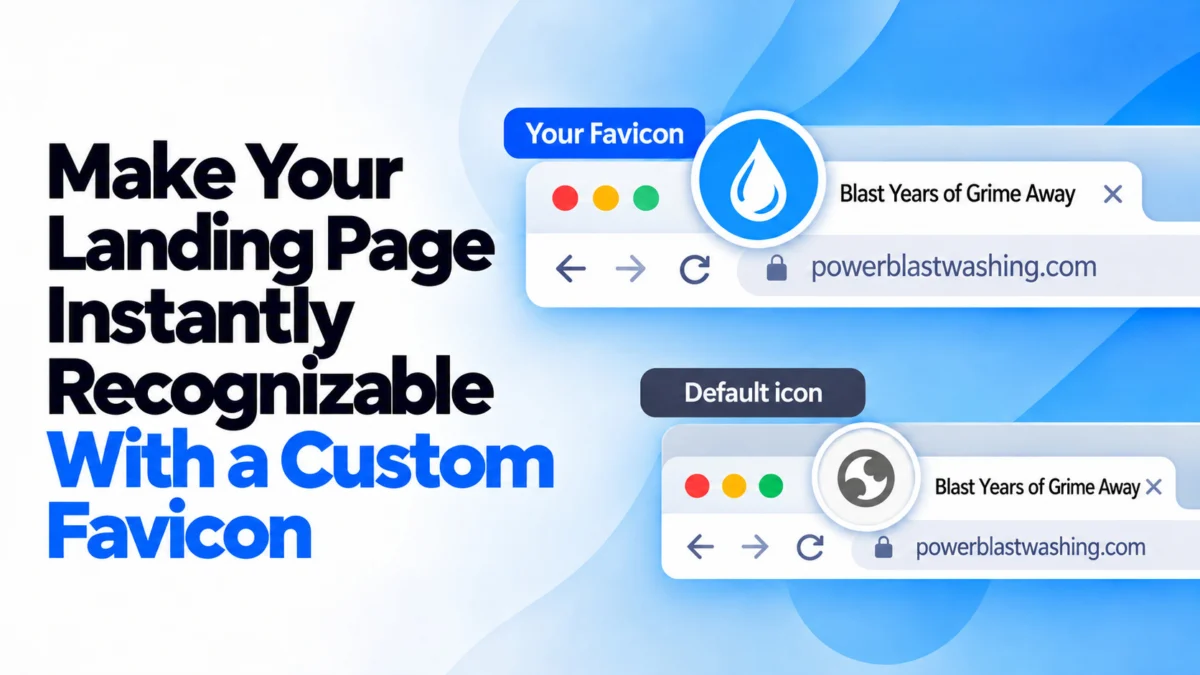
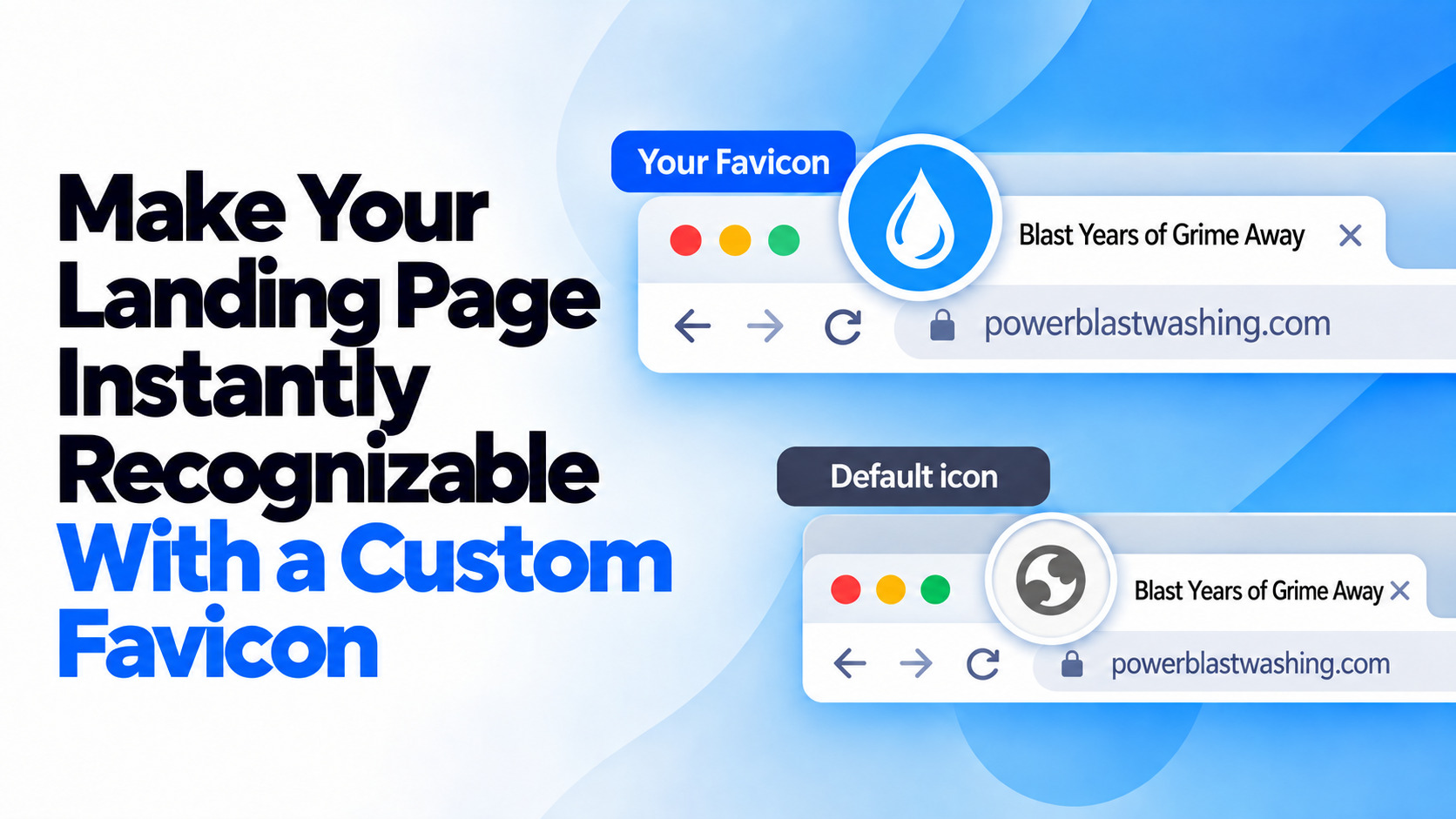
Beyond mere convenience, the introduction of automated branding addresses a fundamental psychological hurdle in web traffic management: legitimacy and trust. When an internet user lands on a newly discovered web page and subsequently returns to it after exploring other links, or when they pin the page for future reference, the presence of a recognizable brand icon serves as an immediate anchor. A page lacking a favicon typically defaults to a generic browser icon—a blank globe, a blank sheet of paper, or a standard application symbol—which can inadvertently project an unfinished or less professional image. By contrast, a branded favicon signals to the visitor immediately that they have returned to an authentic, secure, and established digital destination belonging to a specific creator or organization.
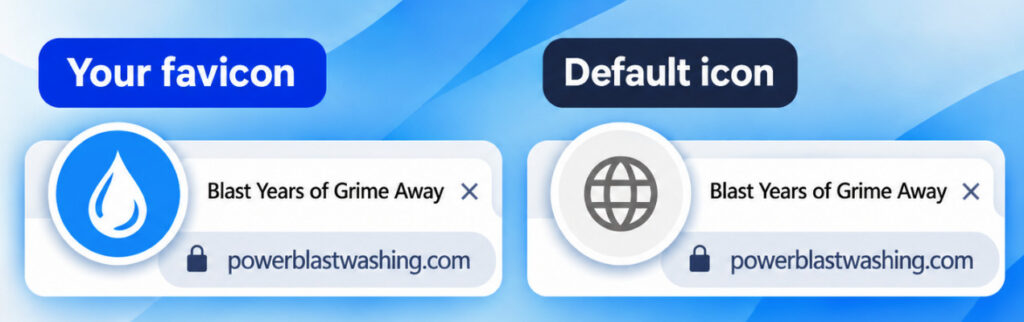
The technical specifications of the automatically generated icons have been engineered to meet modern multi-platform display standards. Each published page receives a dual-format implementation consisting of a 32-by-32 pixel PNG file optimized for standard desktop and mobile browser tabs, alongside a larger 180-by-180 pixel Apple touch icon tailored for mobile users who choose to save the landing page directly to their smartphone or tablet home screen. Furthermore, the icons are engineered with transparent backgrounds, ensuring they maintain high visual clarity and legibility regardless of whether a user’s browser is configured for light mode or dark mode themes.
For creators who desire a hyper-specific aesthetic that ties directly back to their core corporate or personal identity, the system remains entirely flexible through conversational interaction. Rather than navigating complex settings menus, users can communicate directly with the builder interface via chat prompts. By simply typing a request such as asking the system to create a favicon based on their uploaded logo, the AI immediately re-evaluates the visual assets and updates the icon accordingly. This conversational approach mirrors the broader design philosophy of the AI Landing Page Builder, which seeks to democratize advanced web design techniques for solo entrepreneurs, small business owners, and digital marketers who may not possess formal graphic design training.
Reviewing the generated asset prior to public launch is handled through the same intuitive chat interface. Creators can request a visual preview of their favicon at any point during the drafting phase by asking the system to display how the icon will appear to the public. This preview capability allows publishers to verify that the color contrast, scaling, and overall composition of the icon look correct before the page officially goes live. Once published, the favicon becomes immediately visible in live browser environments, matching the exact visual experience encountered by prospective subscribers, customers, or clients.
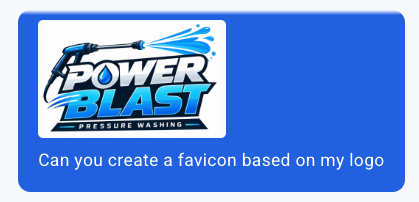
In the event that branding shifts or a creator decides to update their visual identity, modifications are handled just as fluidly. By issuing a new instruction through the chat interface, the builder recalibrates the icon assets in real time. Once the updated page is republished, the new favicon propagates across live browsers, ensuring that a brand’s digital presence remains consistent and up to date without requiring manual backend coding or file management.
This latest enhancement underscores a broader industry shift toward intelligent automation in digital publishing. As tools powered by artificial intelligence continue to absorb repetitive administrative and technical tasks, platforms like AWeber are increasingly focusing on the micro-details that collectively define a polished online presence. By removing the technical barriers traditionally associated with favicon creation and multi-device icon optimization, the platform aims to elevate the baseline professional standards of landing pages generated across its ecosystem, helping independent creators project an established and trustworthy image from the moment their pages go live.