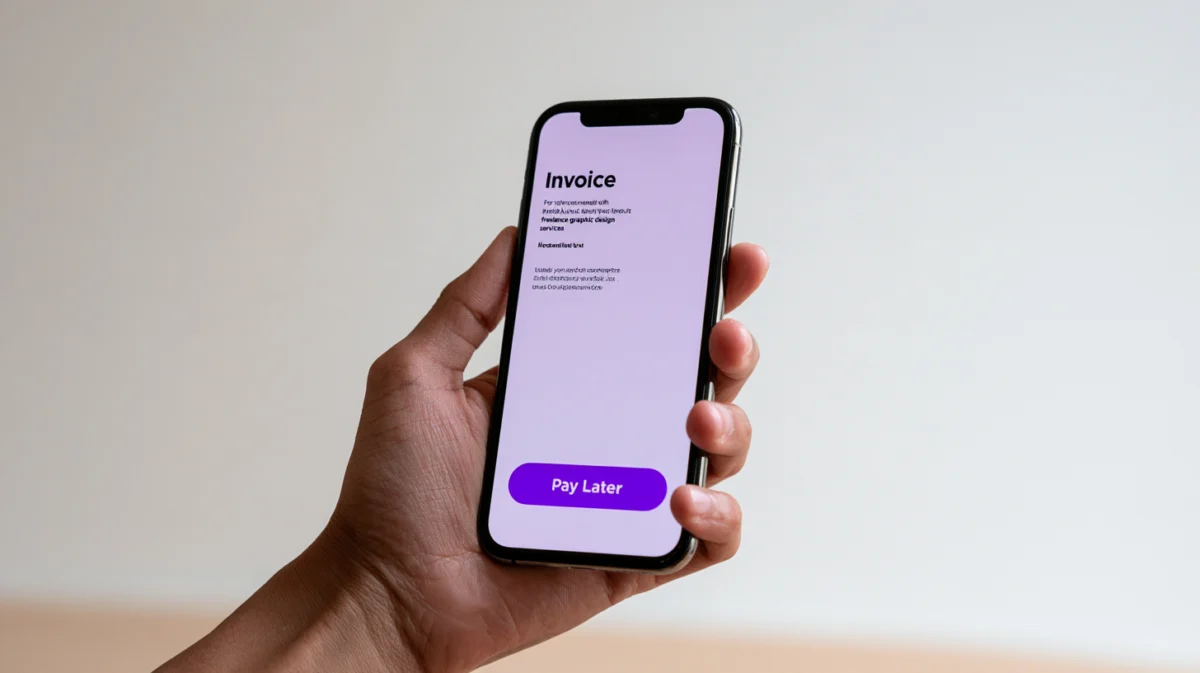
When an $8,000 branding proposal falls flat, it is rarely because the client has decided they do not want the creative work or the strategic value it brings. Far more often, the proposal simply vanishes into the digital ether, resulting in a silent rejection known across the independent workforce as being ghosted. According to industry insights, the underlying issue is rarely a lack of desire for the service; rather, it is the psychological and operational barrier of facing an $8,000 lump sum all at once. This specific financial friction presents a unique challenge for freelancers and small agencies, and it demands a deliberate, structural solution.
Independent professionals and small creative agencies consistently undercharge for their services. This phenomenon typically stems not from a lack of confidence in their hourly or project rates, but rather from a feeling of constraint dictated by a mental ceiling. That ceiling is determined by what clients feel comfortable writing a single check for on demand. However, introducing structured payment terms fundamentally alters that financial ceiling. When a $6,000 website development project is recast as $1,500 spread across four manageable months, the calculus changes entirely for the client, easing both their immediate psychological hesitation and their short-term cash-flow constraints.
This approach is fundamentally distinct from offering a discount. Instead, it serves as a method of removing friction from the purchasing process, positioning it as one of the most underutilized operational levers available to freelancers and small agency owners.
Why Productized Service Businesses Already Know This
Anyone who has spent time observing the productized services sector will immediately recognize this dynamic at play. Companies specializing in monthly design subscriptions, search engine optimization retainers, or ongoing copywriting packages realized years ago that recurring billing of $2,500 per month is often a much easier sell than a single $30,000 annual contract, even though the total math over the course of the year is completely identical. In these business models, the payment structure itself functions as an active part of the sales strategy, smoothing out the transaction.
By contrast, freelancers working on traditional project-based engagements have been much slower to adopt this line of thinking. The default standard across much of the freelance economy remains the classic split: 50 percent paid upfront as a deposit, and the remaining 50 percent due upon final delivery. While this traditional structure works well enough for smaller, low-ticket projects, it creates an entirely different set of hurdles for mid-tier work.
For an engagement valued between $5,000 and $15,000, this traditional setup frequently forces the client into a position where they must write two substantial checks back-to-back within a relatively short window. Even when a client possesses a genuine, enthusiastic desire to hire the professional, this sudden cash-flow demand creates hesitation. Consequently, the fix is rarely found in lowering prices or devaluing the work, but rather in rethinking how the payment itself is structured.
Three Ways to Structure Client Payments
To bridge the gap between high-value proposals and client cash-flow realities, independent businesses generally look to three primary structures.
The first approach is milestone billing. Breaking a comprehensive project down into distinct, sequential phases with a designated payment tied to each specific milestone is the most common alternative and works exceptionally well for scopes that are clearly defined. For example, a brand identity project might be organized into three distinct stages: discovery and strategy, concept development, and final delivery, with one-third of the total fee due at the completion of each stage. This method aligns incoming payments directly with visible project progress while significantly reducing the perceived financial risk for the client.
The second approach is the retainer or subscription model. Monthly retainers successfully convert volatile project revenue into predictable, recurring income streams. These structures perform best when an engagement involves ongoing work, such as continuous content creation, website maintenance, strategic advising, design support, or social media management, rather than a single, isolated deliverable. For clients who operate at a higher level, the total annual value of a retainer can ultimately be significantly larger than any one-off project they would have otherwise approved as a lump sum.
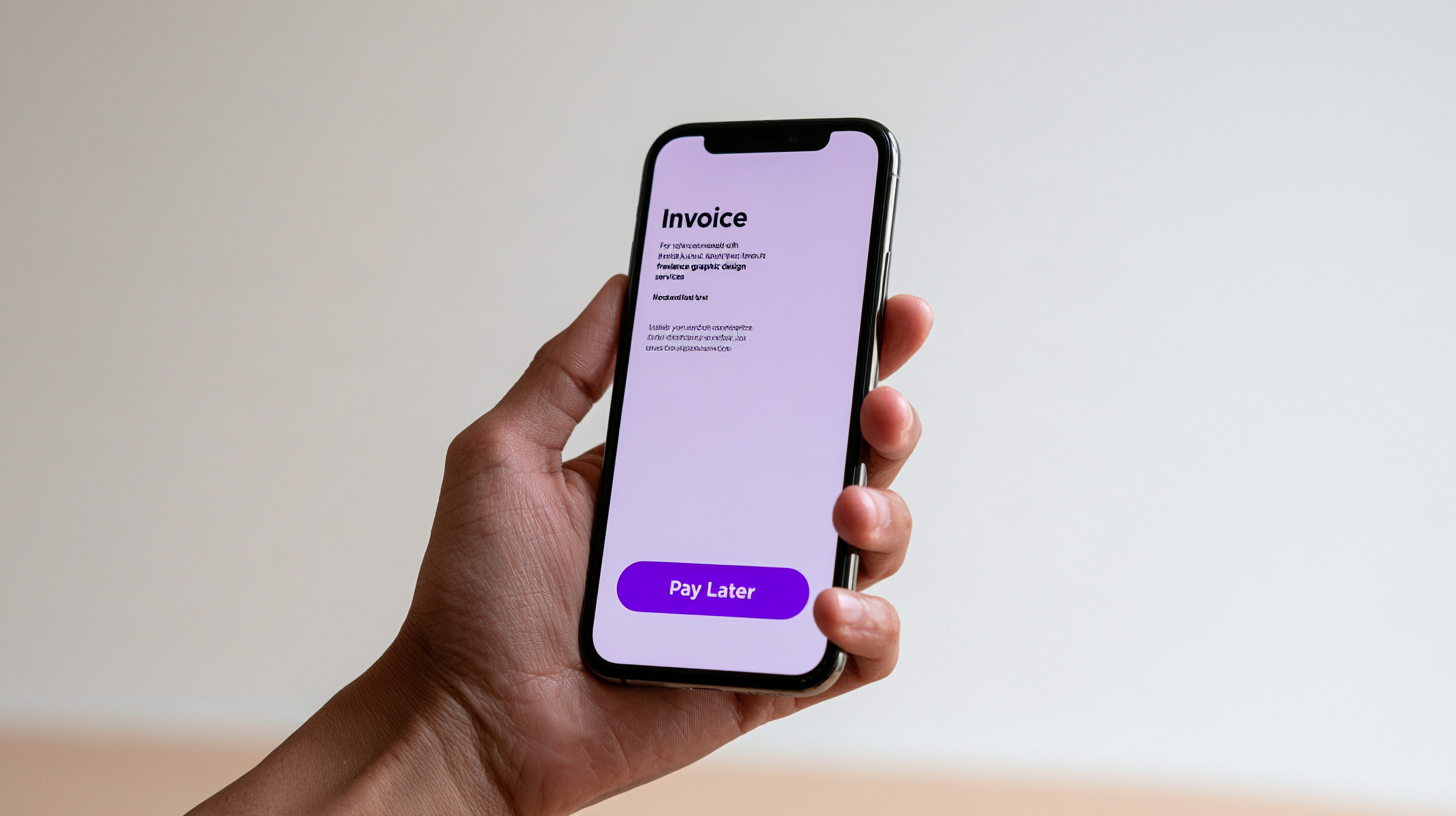
The third approach involves third-party financing, an option that many independent professionals have historically overlooked. Instead of attempting to manage complex installment billing internally, a provider can utilize a dedicated financing platform. This third-party service pays the freelancer or agency upfront in full, while the client reimburses the platform through scheduled monthly installments. Through this setup, the independent business receives their capital immediately, the client gains the financial flexibility they need, and the administrative burden of chasing delayed payments is eliminated.
What Customer Financing Actually Means for a Service Business
Historically, customer financing has been closely associated with retail furniture stores, electronics retailers, and home improvement contractors. Over time, however, the model has expanded significantly. Today, service-based businesses—including professional creative providers and consultants—can offer structured payment plans through specialized third-party platforms that manage all the underlying credit checks and collection mechanics.
For a service business, the operational workflow is straightforward. The provider applies with a financing platform and integrates the option into their billing process. When a client expresses a desire to spread their payments over time, they apply directly through the platform. Most modern financing platforms utilize a soft credit check that leaves the client’s credit score entirely unaffected while providing an almost instantaneous approval decision. The service provider then receives their full payment within a few business days, while the client fulfills their financial obligation to the platform over time.
To put this into perspective, a $7,500 branding engagement under this model might translate to the client paying approximately $625 per month for a duration of 12 months. For the client, that figure represents a manageable operational expense. For the freelancer or agency owner, it means the project is paid in full long before the final deliverables are handed over.
Does It Work for B2B Freelancers? What Types of Services Fit?
The honest assessment of whether this approach works depends heavily on who the clients are and how their organizations handle disbursements.
Consumer-facing freelancers—those who contract directly with small business owners, solo entrepreneurs, or individuals rather than corporate procurement departments—tend to find the most success with this model. These particular clients often make purchasing decisions much like individual consumers do: through a lens that combines practical needs with personal cash-flow considerations. A $9,000 website development fee feels vastly different to the owner of a local restaurant than it does to an enterprise marketing department operating out of a corporate office with a six-figure annual vendor budget.
Services that fit this model naturally include comprehensive brand identity and logo design, website design and development, copywriting and content strategy for growing businesses, professional photography and video production, and ongoing social media management packages. These specific engagements usually feature an owner or operator making the hiring decision independently, a price point that benefits greatly from installments, typically ranging from $2,500 to $15,000, and a client whose genuine desire to move forward is blocked strictly by temporary cash flow rather than skepticism regarding the value of the work.
Conversely, this approach tends to fit far less effectively when dealing with enterprise-level clients who rely on formal procurement processes, agencies that bill other agencies, or very low-ticket projects where the administrative overhead of financing simply outweighs any potential benefit.
How to Present Payment Options Without Undercutting Your Value
One of the most common missteps independent professionals make when introducing payment plans is apologizing for the price before the conversation even begins. Leading with financial flexibility primarily as a tactic to soften a price point that the provider feels unconfident about sends the wrong psychological signal to the client, who will likely notice the hesitation.

The correct framing involves stating the price clearly and confidently, then presenting any payment option as a matter of logistical convenience rather than a rescue mission. A standard pitch might sound straightforward: "This engagement is $8,500 total. Most clients prefer to structure that investment over three or four months, and I am more than happy to set that up if it works better for your cash flow." By phrasing it this way, the professional is not asking for permission to charge their true rate, but rather offering a tool to make the business logistics smoother.
When utilizing a third-party financing platform, the underlying principle remains identical. The option can be presented matter-of-factly, explaining that the business works with an integrated financing platform where clients can apply within minutes to receive an instant decision, allowing them to spread out costs while the provider is paid upfront. Maintaining confidence during the presentation is just as vital as the actual mechanical structure of the offer itself.
The Mindset Shift: You’re Not Discounting, You’re Removing Friction
Freelancers who initially resist the idea of offering payment plans often do so because the arrangement feels like an unwanted concession—a subtle signal that their pricing is negotiable or that the client cannot genuinely afford their services. However, industry observers argue that this perspective fundamentally misframes the situation.
Examining what actually occurs when a high-quality proposal is ghosted reveals a different story. The prospective client wanted the work done, and they frequently believed entirely in the value being offered. What ultimately halted the deal was not the price tag itself, but the immediate reality of the lump sum. That total number felt risky to commit to all at once, even if an equivalent monthly expenditure would have felt completely comfortable for their business operations.
Ultimately, offering flexible payment options does not signal weakness or price flexibility. Instead, it demonstrates that the provider understands how modern businesses manage their cash flow and that they have built the professional infrastructure necessary to collaborate smoothly at a higher financial tier. Agencies and freelancers who consistently secure projects in the $8,000 to $15,000 range rely on more than just strong portfolios; they have intentionally made it operationally seamless for a client to say yes. Payment flexibility forms a vital cornerstone of that operational infrastructure, costing nothing to implement beyond the initial time required to set it up.