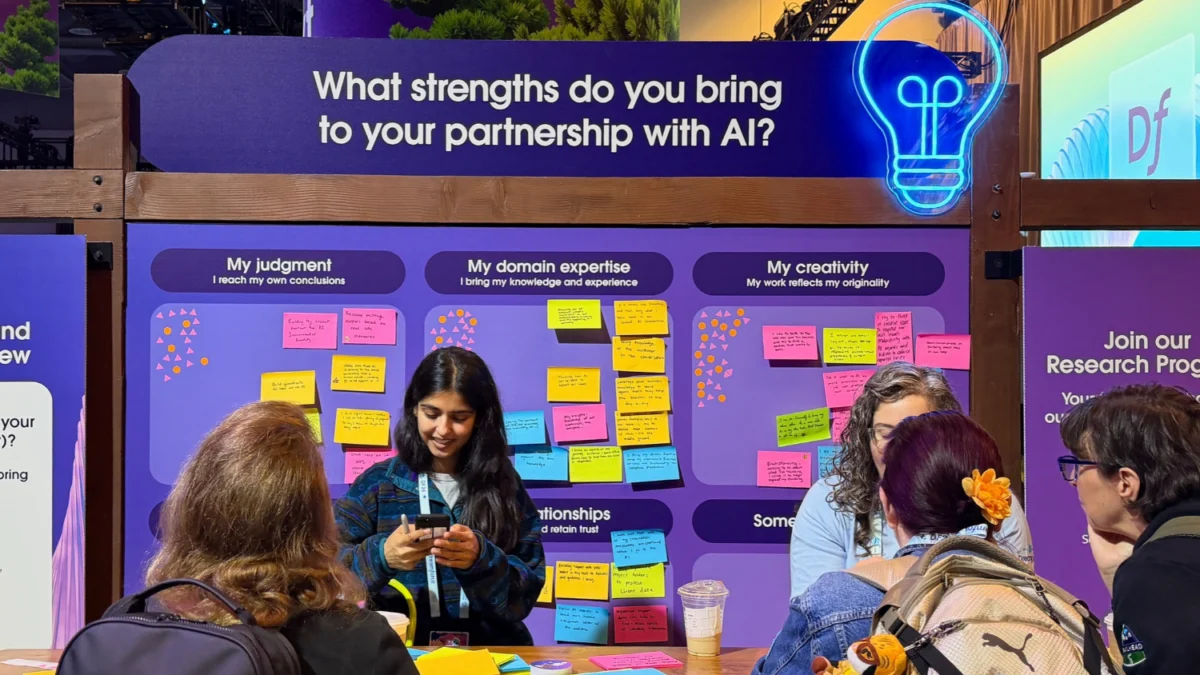
As artificial intelligence becomes an increasingly standard fixture in the modern workplace, a critical question is emerging for designers and developers: how do we build systems that prioritize human agency rather than replacing it? A new study from the Salesforce Research & Insights team offers a compelling glimpse into this transition. By surveying 2,714 participants—known as "Trailblazers"—at the recent Dreamforce conference, researchers sought to understand the specific human strengths professionals are currently bringing to their AI-assisted work, and which ones they aspire to integrate more deeply into their daily workflows.
The findings reveal that the relationship between humans and AI is far from passive. Rather than simply accepting automated outputs, professionals are actively providing context that the technology cannot infer, applying domain-specific judgment, and maintaining strict accountability for the final results. This study, conducted alongside the Salesforce Office of Ethical and Humane Use, suggests that the future of AI-driven design must move beyond merely generating content toward creating ecosystems that empower, rather than sideline, human expertise.
Who Leads the Creative Process: The Human or the AI?
One of the most striking findings from the survey is the gap between the creative strengths professionals currently utilize and those they desire to exercise more fully. Creativity was the most frequently cited strength that participants expressed a strong desire to amplify. This data point highlights a growing tension: while users are excited about the capabilities of AI, there is a palpable concern that an over-reliance on generative tools could erode the very creativity that defines their professional value.
One participant noted that they currently rely too heavily on AI-generated ideas and expressed a clear intention to strengthen their own creative muscles. This sentiment reflects a broader trend observed in the research: the "human-first" approach. Many professionals are intentionally changing their workflows to ensure they remain in the driver’s seat. For instance, many reported that they now produce a rough sketch, a conceptual outline, or a preliminary draft before turning to AI. By establishing their own creative foundation first, these professionals use AI not as an architect of their ideas, but as a sophisticated tool for pressure-testing concepts, identifying potential pitfalls, or expanding on themes they have already established.
This behavior suggests a significant design opportunity. If designers can build experiences that invite a user’s initial sketch, draft, or unique point of view before offering AI-generated suggestions, they can help users protect their creative autonomy. By shifting the starting point of the interaction, the technology ceases to be an external authority and instead becomes a collaborative partner that supports the user’s original vision.
Building Upon Expertise Rather Than Reconstructing It
Domain expertise emerged as the most frequently cited strength that participants are already bringing to their AI interactions. This encompasses not just technical knowledge, but the "soft" intelligence of organizational culture, business strategy, and the nuanced understanding of what will succeed or fail in a specific environment. Professionals are acting as the crucial link between raw data and actionable strategy, providing the necessary context that AI lacks and identifying which sources are credible enough to trust.
The research indicates that this expertise is currently being used to translate complex requirements into technical solutions and to bridge the gap between disparate systems. However, the current friction in many AI experiences is the need to constantly re-input this context. Every time a user initiates a new prompt, they often find themselves explaining the same organizational realities or project parameters. This creates a burden that limits productivity.
For designers, the challenge is to move toward systems that "remember." If an AI experience can allow a user to supply relevant background once and maintain that context, the quality and relevance of future interactions will improve significantly. Whether through specialized agents, workflow templates, or persistent knowledge stores, the goal is to make professional expertise a foundational element of the system rather than an ephemeral input that must be reconstructed with every new query.
The Critical Need for Transparent Verification
Judgment—the ability to assess whether an AI’s output is accurate, relevant, and trustworthy—was identified as the second-most important strength currently being deployed by professionals. The survey participants described a rigorous process of "pressure-testing" AI outputs against real-world scenarios and established domain knowledge. They are not simply reading AI-generated content; they are interrogating it.
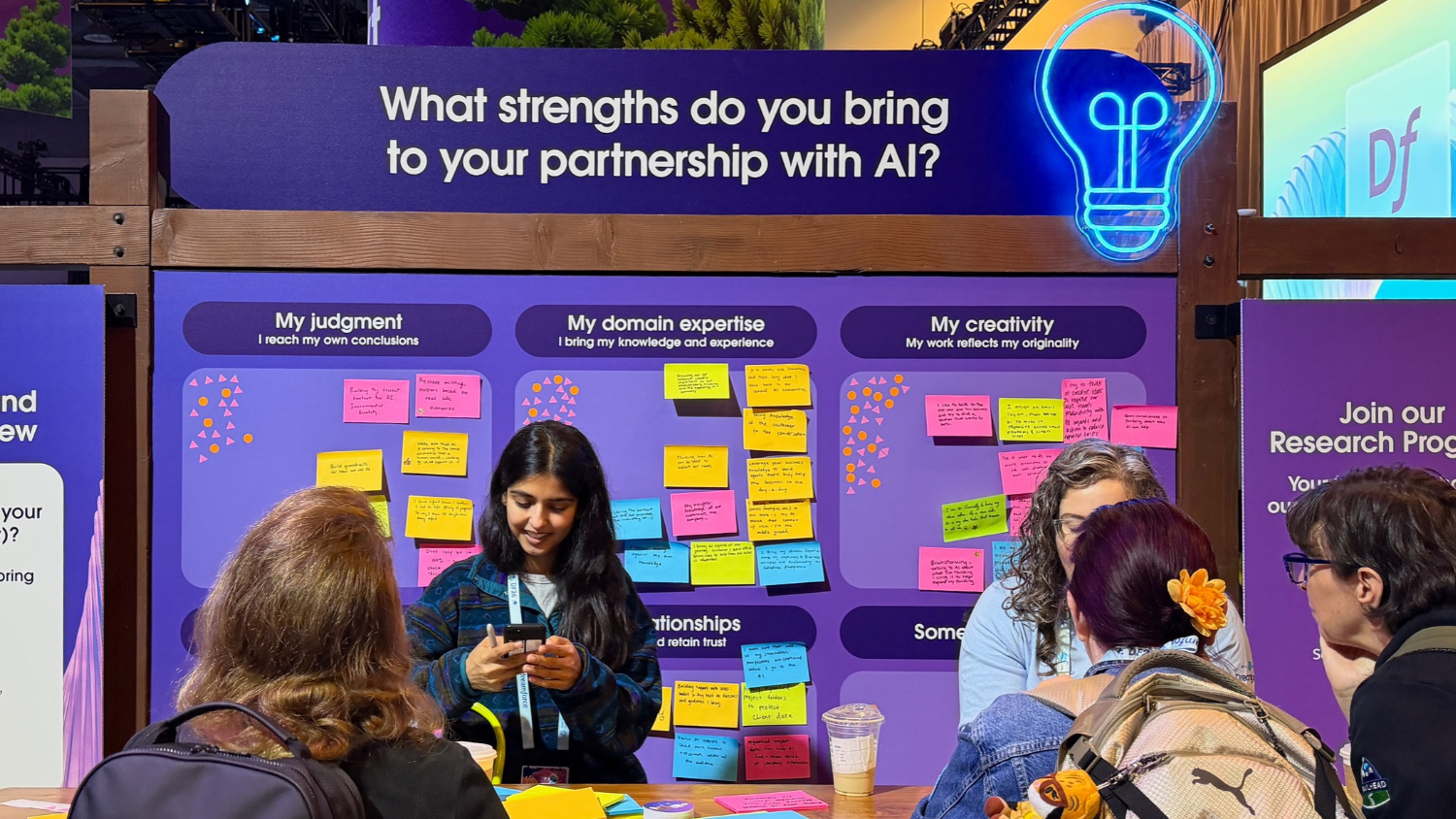
This process involves comparing responses across multiple models, checking claims against known facts, and questioning the validity of the underlying request before the AI even begins its work. Some users even task the AI with validating its own output, though the researchers caution that this should never replace independent verification against reliable, external sources.
The design takeaway here is that scrutiny should be an integrated feature of the workflow, not an afterthought. If an experience can make it as easy to challenge an answer as it is to accept one—for instance, by providing transparent links to sources or allowing users to easily inspect the reasoning behind a conclusion—it can fundamentally change the dynamic of AI-assisted work. By embedding these verification habits into the interface, designers can help transform skepticism from a manual, time-consuming routine into a seamless part of the professional process.
Accountability and the Human "Skin in the Game"
A fascinating, if somewhat paradoxical, finding was the low number of votes for "accountability" as a primary strength, despite it being the subject of the most-starred note on the research wall. The comment, "AI has no skin in the game," struck a chord with many attendees. While professionals may not always explicitly label "accountability" as a core strength, the research suggests it is the silent engine driving their work. They recognize that, ultimately, the final output is their responsibility.
This accountability manifests in the final, crucial phase of work: the review process. Whether it is re-running numbers, testing outputs against external compliance standards, or escalating a decision to a human subject matter expert, professionals are ensuring that the work is ready for real-world application.
Designers must therefore consider how to make this verification process more visible and accessible. If an agent is designed to take action, the experience should clearly delineate boundaries, provide explicit review points, and ensure that a human has the final say before any consequential decision is implemented. By formalizing these checkpoints, developers can empower users to exercise their accountability with confidence, rather than leaving it as a responsibility that they must manually remember to fulfill at the very end of a project.
Fostering Organizational Trust Through Human Connection
Finally, the research touched upon the role of relationships in the adoption of AI. Participants noted that they often start with small, low-stakes proofs of concept to build trust among hesitant colleagues. By involving multiple stakeholders and gathering feedback early, they ensure that the AI is solving the right problems for the right people.
This highlights an important reality: the implementation of AI is as much a social process as it is a technical one. The most successful users are those who treat AI as a means to deepen professional relationships rather than a substitute for them. They use these tools to handle the heavy lifting, which frees them up to listen, understand the concerns of their teammates, and communicate with greater empathy.
The research also uncovered that the strengths professionals bring to AI often defy categorization. Beyond technical skill or domain knowledge, they bring personal values, empathy, and a wealth of lived experience—what one participant humorously noted as the unique perspective gained from "paper cuts." These human elements ensure that the technology remains anchored in the real world.
As designers look toward the next generation of AI tools, the core challenge remains clear: the goal is to create systems that do not merely automate tasks, but that provide the necessary space for human judgment to flourish. By making room for personal ideas, retaining professional context, enabling rigorous verification, and supporting human accountability, the next phase of AI development can help professionals move from simply using these tools to truly mastering them. The question for every designer, then, is not just what the AI can do, but how the experience can make room for the unique, irreplaceable strengths that only a human can bring to the table.