
In the fast-paced ecosystem of digital publishing, the destiny of any piece of content often rests on a handful of words. Long before a reader engages with the core arguments, analyzes the research, or absorbs the narrative of a blog post, they must cross the threshold of the title. According to veteran digital publishers and industry analysts, those initial words represent the single most powerful element of online writing. They serve as the definitive turning point between a post that achieves viral distribution, driving traffic across social platforms and search engines alike, and one that languishes silently in digital archives, barely noticed by the broader web.
This realization has prompted ongoing discussions across the publishing community regarding the precise mechanics of crafting impactful content. While writers frequently focus their energies on developing deep research, compelling arguments, and polished prose, industry veterans emphasize the critical importance of pausing during the writing process to refine the headline. Because the title typically represents the sole window through which prospective readers view a piece of content on search engine results pages, social media feeds, and RSS aggregators, its influence is absolute. A title that is overly complicated, dry, or confusing can render even the most brilliant prose invisible, as audiences make split-second decisions to click elsewhere.
To understand the mechanics of effective headline creation, publishers often look to foundational copywriting principles. Among the most enduring philosophies is that articulated by legendary advertising executive David Ogilvy. Throughout his seminal work, Ogilvy on Advertising, he repeatedly underscored a fundamental rule for all written communication: the sole purpose of a title is to compel potential readers to engage with the very first line of the content. Experienced digital creators note that this principle has served as a cornerstone for modern blogging, proving its efficacy time and again. When a title successfully captivates and intrigues an audience, it creates an irresistible momentum that draws readers smoothly into the body of the article.

Despite the proven importance of headlines, publishing experts caution against the impulse to rush their creation. Treating the title as an afterthought can fundamentally undermine the hours of research and writing invested in the main body of the article. Taking the time to carefully construct, evaluate, and refine a title is treated not merely as an optional polish, but as a vital investment that directly dictates the return on the content creator’s overall effort.
Industry veterans have identified several core techniques that copywriters and successful bloggers utilize to engineer titles that capture attention without resorting to empty clickbait. While not every technique can or should be applied to a single piece of content, understanding these diverse approaches provides writers with a versatile toolkit for different subjects and audiences.
At the forefront of these strategies is the clear communication of a tangible benefit. When a prospective reader encounters a title while browsing search results or scanning an RSS feed, a headline that explicitly promises to resolve a specific problem or fulfill a recognized need possesses an exceptionally high conversion rate. Rather than relying on cryptic wordplay or clever obscurity, successful benefit-driven titles communicate their value proposition immediately. For example, instructional and resource-based headlines utilized on prominent niche blogs have historically driven hundreds of thousands of visitors by directly addressing specific queries held by the target audience. These titles do not attempt to capture every casual browser; instead, they act as a beacon for individuals actively searching for a specific solution.
Another powerful mechanism for engagement involves the strategic introduction of controversy, debate, or a strong, polarizing perspective. Content that touches upon contentious topics or challenges conventional wisdom naturally piques human curiosity, prompting readers to investigate the reasoning behind the stance. However, experienced writers emphasize that controversial titles carry an inherent responsibility: the underlying content must thoroughly substantiate the premise. When executed with intellectual honesty, addressing divisive subjects can spark meaningful dialogue and strong audience reactions, elevating the visibility of the piece across digital networks.

Formulating titles as direct questions represents a third established method for driving engagement. Human psychology is naturally wired to respond to interrogative statements, making questions exceptionally effective not only for attracting initial clicks but also for stimulating community interaction and commentary. Publishers have observed that question-based headlines achieve even higher engagement when they directly address the reader using personal pronouns, creating an immediate psychological bridge between the author and the audience.
This principle of personalization extends well beyond interrogative statements. Although modern blogs often broadcast content to vast, anonymous audiences numbering in the thousands, individual readers tend to evaluate content based on its immediate relevance to their personal circumstances. By integrating direct, inclusive language—most notably the word "you"—writers can transform a broad treatise into a laser-focused conversation tailored specifically to the individual. This linguistic shift creates a powerful sense of intimacy and direct relevance, encouraging readers to invest their time in exploring the material.
In addition to psychological triggers, technical considerations such as search engine optimization play a vital role in headline construction. The integration of targeted keywords remains essential for two primary reasons: it provides clarity for human readers scanning for specific topics, and it signals relevance to automated search algorithms. Keywords related to specific products, well-known individuals, or established organizations frequently rank among the most heavily queried terms across the global web. Consequently, incorporating these terms into headlines can significantly enhance discoverability. Furthermore, search engine optimization experts note that placing primary keywords closer to the beginning of a title maximizes their impact, ensuring they are not truncated when displayed on search engine results pages.
Writers also frequently experiment with the deployment of high-impact terminology often referred to as "power words." These carefully selected terms are designed to evoke strong emotional responses from readers. While such vocabulary can dramatically increase click-through rates, seasoned publishers issue a word of caution regarding their use. Aggressive or hyperbolic terminology can occasionally trigger skepticism among sophisticated audiences, leading them to actively avoid the link. Moreover, if the substance of the article fails to match the emotional weight promised by the headline, readers may experience frustration or a sense of deception, potentially damaging long-term trust between the audience and the publisher.
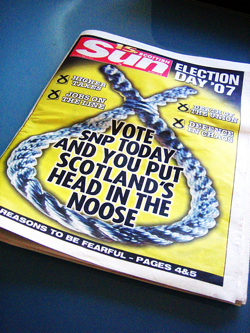
Expanding upon the concept of benefit-driven writing, some creators lean into making bold claims and sweeping promises. These headlines elevate standard benefit statements to a level that demands attention, offering solutions or guarantees so compelling that even casual observers feel compelled to investigate. As with controversial content, the viability of big-claim headlines depends entirely on the author’s ability to deliver substantive value within the article itself. Failure to substantiate bold promises risks alienating the readership and diminishing the credibility of the platform.
Humor represents yet another avenue for capturing audience interest, though it is widely regarded as one of the most difficult techniques to execute consistently. A well-crafted humorous title can endear a brand to its readership and foster a sense of community. However, failed humor risks falling flat, leaving behind a headline that neither resonates with loyal followers nor performs effectively within search engine parameters due to a lack of optimized keywords.
Beyond these specific rhetorical strategies, experienced publishers recommend adhering to a few fundamental structural guidelines. Chief among these is maintaining brevity. While exceptionally long titles can occasionally draw attention through sheer volume, concise headlines are generally more effective for human consumption and ensure compatibility with technical constraints, such as search engine character limits that typically truncate overly long text. Additionally, some digital copywriters advocate for avoiding terminal punctuation, such as periods, at the conclusion of headlines to maintain an uninterrupted visual flow for the reader.
As the digital publishing landscape continues to evolve, the fundamental challenge of capturing and holding audience attention remains unchanged. Whether through the promise of a direct benefit, the intrigue of a well-phrased question, or the strategic use of search-optimized keywords, the headline serves as the vital gateway to meaningful online communication. By approaching headline creation with deliberate care and recognizing its profound impact on readership, content creators can ensure their work receives the visibility and engagement it deserves within an increasingly crowded information ecosystem.