As artificial intelligence continues to fundamentally reshape how billions of people find information online, the mechanics driving modern search engines have become increasingly complex. Questions that once had straightforward answers now require navigating an entirely new digital ecosystem. How have click-through rates changed since the rollout of AI Overviews? Which specific websites does ChatGPT cite most frequently? How do advanced processes like query fanout, Retrieval-Augmented Generation (RAG), and other AI search complexities actually function behind the scenes?
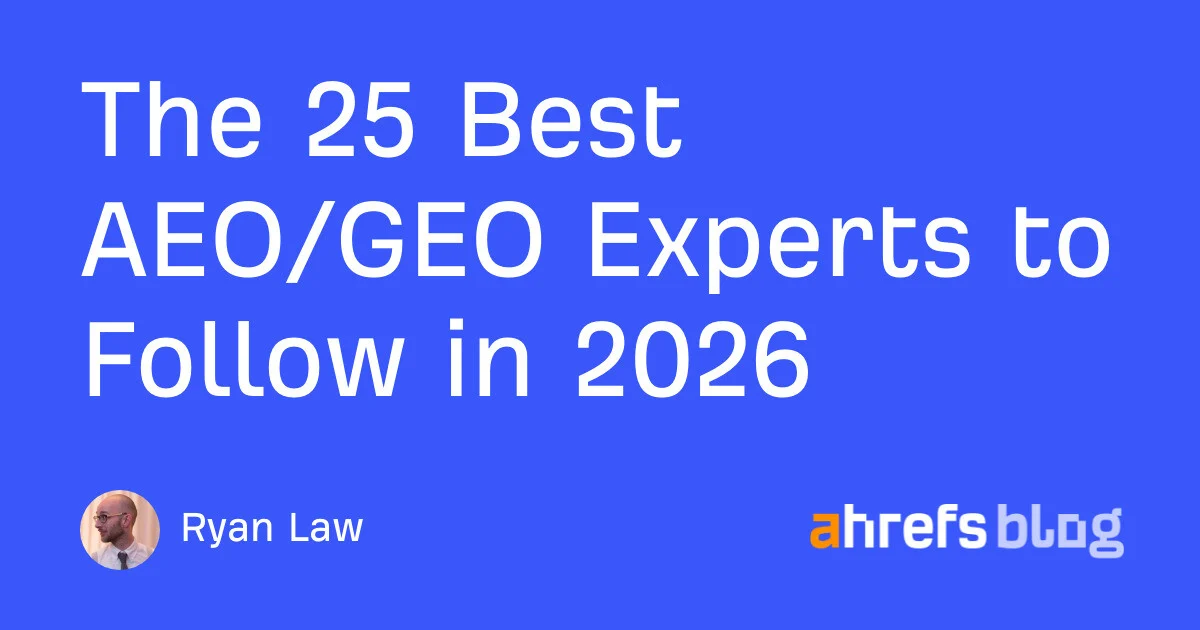
Answering these pressing questions—and keeping pace with a landscape that shifts almost daily—requires rigorous, original research. To highlight the individuals driving this vital understanding, an exhaustive new analysis has identified the top 25 people publishing the most original research on AI search, establishing who digital marketers, developers, and strategists should be following today.
The comprehensive compilation began with an expansive longlist of 87 individuals widely recommended as Answer Engine Optimization (AEO) and Generative Engine Optimization (GEO) experts, alongside professional researchers working within AI visibility and analytics companies. To narrow the field objectively, the study measured the volume of original AI search research published by each candidate since 2023.
The vetting process involved pulling every page published across each person’s primary publishing platforms—amounting to more than 17,000 individual pages. Each page was rigorously evaluated against strict criteria to ensure it constituted a genuine research study. Cross-posts, translations, and minor updates of the same study were consolidated to prevent duplicate counting. Furthermore, credit was exclusively awarded to studies bearing an author’s byline, or explicitly naming them as a co-founder, co-author, or the primary analyst behind the data. Corporate research lacking any named author was excluded from individual totals. Candidates were ultimately ranked by their total number of published studies, with ties broken by the number of external websites linking back to their research.
At the summit of this emerging field is Kevin Indig, a growth advisor and author of the Growth Memo newsletter who previously led SEO and growth initiatives at major tech firms including Shopify, G2, and Atlassian. Indig leads the rankings with 36 published studies. His research leverages large-scale citation and user behavior datasets to uncover the precise factors driving LLM citations—ranging from retrieval rank and content depth to brand popularity and third-party profile signals—while documenting how AI Overviews and AI Mode transform user search behavior.
Securing the second spot is Xibeijia Guan, a data scientist at Ahrefs and the primary analyst behind the company’s extensive AI search research, with 31 published studies. Guan’s data-driven investigations have quantified critical industry metrics, including the exact drop in click-through rates caused by AI Overviews, the frequency with which AI-cited pages rank in Google’s top organic search results, and the long-term stability of AI citations.
Other prominent figures fill out the top tier of researchers mapping the AI search revolution. Dan Petrovic, founder and director of the SEO agency DEJAN and its AI-focused arm DEJAN AI, ranks third with 20 studies exploring AI grounding and citation mechanics. Louise Linehan, a content marketer at Ahrefs, claims fourth place with 19 studies analyzing AI citation patterns across vast brand datasets. Johannes Beus, founder and managing director of SISTRIX, holds the fifth position with 14 studies delivering large-scale visibility and click-through data. They are joined by researchers such as Metehan Yeşilyurt of Peec AI, Manick Bhan of Search Atlas, Josh Blyskal of Profound, Ryan Law of Ahrefs, and veteran international SEO consultant Aleyda Solís, all of whom have contributed significant empirical findings to the discipline.
The research published by these top experts has collectively shifted industry understanding of generative search engines. Among the most widely referenced studies in the field, research led by Ahrefs analysts Xibeijia Guan and Ryan Law—titled "AI Overviews Reduce Clicks by 34.5%"—stands as the most linked-to study, earning references from over 7,600 referring domains. Other high-impact studies include comprehensive evaluations of AI overview brand visibility factors across 75,000 brands, updates on how frequently AI citations pull from traditional top-ranking organic results, and large-scale audits tracking the practical effectiveness of technical interventions like schema markup and specialized protocol files.
As generative engines continue to evolve, the insights provided by these researchers remain indispensable for understanding the mechanics of modern digital visibility. Whether examining the shifting behaviors of ChatGPT, Perplexity, Google AI Overviews, or emerging enterprise search tools, the work of these top 25 experts continues to set the standard for empirical research in an era of rapid technological transformation.