September 25, 2026
By Sean Tinney
In the modern digital landscape, the success of any marketing campaign, newsletter, or digital product often hinges on visibility. Creators and marketers have long understood that a brilliantly designed landing page serves little purpose if potential subscribers never lay eyes on it. Addressing this fundamental friction point in audience acquisition, email marketing and automation platform AWeber has rolled out an integrated suite of publishing and sharing tools designed to bridge the gap between creation and distribution the exact moment a landing page goes live.
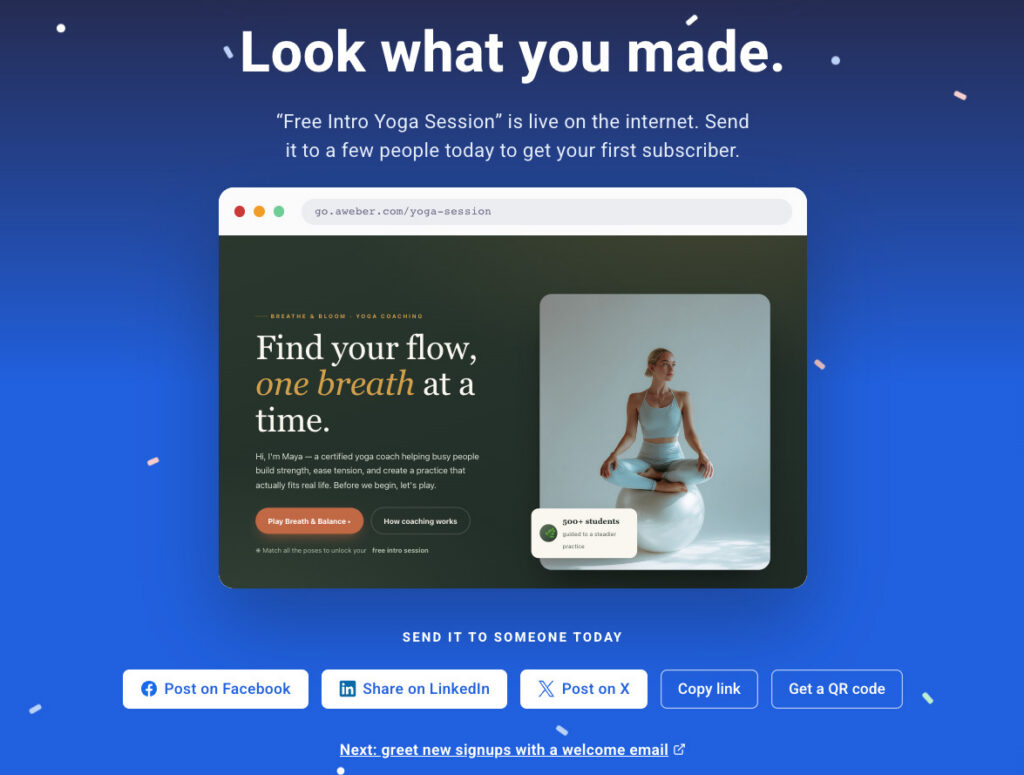
The update, detailed by the company this week, focuses on removing the administrative friction that traditionally follows the publishing process. Historically, creators would build a landing page, publish it, and then face a fragmented workflow of manually copying URLs, opening multiple social media tabs, drafting posts, and generating separate QR codes through third-party services. The newly updated publishing interface alters this paradigm by embedding multi-channel distribution directly into the post-publish screen, allowing users to propel their content across the digital and physical spheres within moments of hitting launch.

Under the updated system, once a user completes a landing page—whether drafted manually or generated rapidly using tools like AWeber’s AI Landing Page Builder—the publish screen remains active as a centralized command center. Rather than forcing the user to navigate away to initiate marketing campaigns, the interface presents immediate pathways for social broadcasting, print integration, and direct linking.
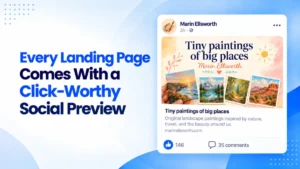
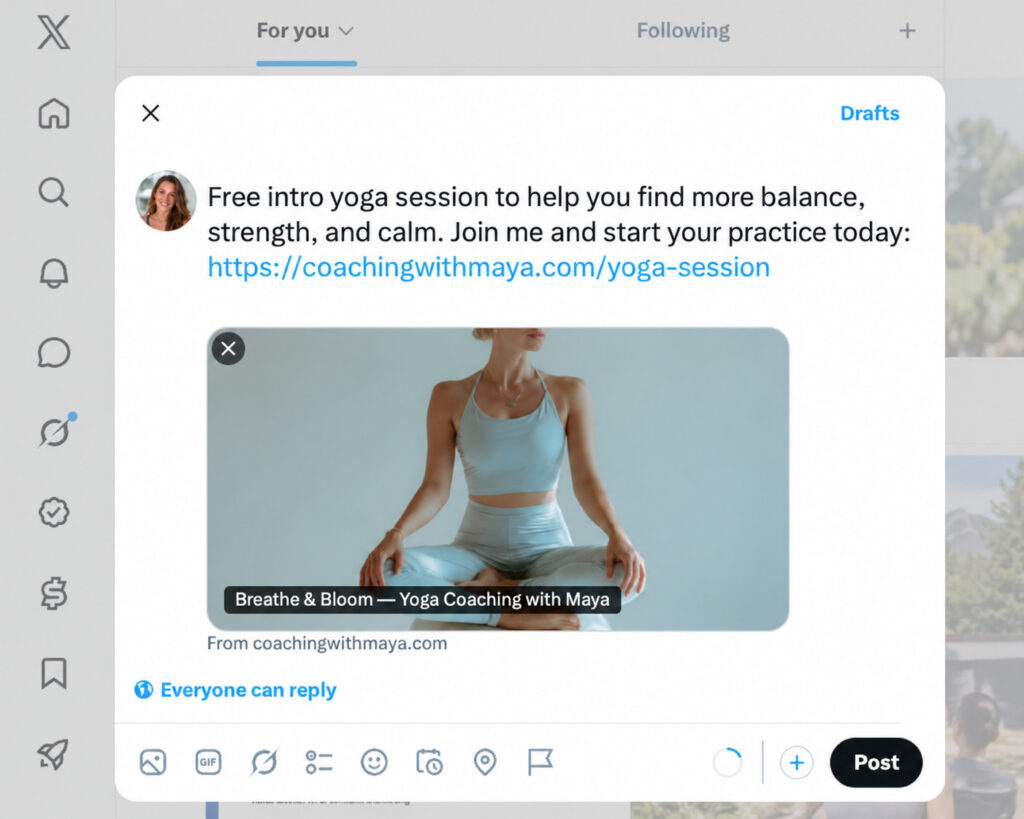
At the core of this functionality is immediate social media integration. By clicking designated buttons for platforms such as Facebook, LinkedIn, or X, users trigger native post windows that automatically pull in the landing page’s metadata. Rather than requiring the manual uploading of images and the copying of URLs, the system pre-attaches the page’s preview image and title. This ensures that prospective subscribers immediately recognize the visual branding and the core offering before they ever click through. Creators simply add a brief accompanying caption detailing their specific offer and execute the post. Because the publishing dashboard remains open until manually closed, marketers can systematically move from one social network to another, broadcasting their new page across multiple channels in just a few clicks.
Beyond digital feeds, the update also tackles the physical world by streamlining the integration of landing pages into print media, packaging, and in-person events. Recognizing that offline interactions frequently translate into high-intent digital subscribers, the platform now features an instant QR code generator. With a single click on the "Get a QR code" prompt, the system compiles and downloads a high-resolution PNG file encoding the exact URL of the landing page.
This feature is tailored for creators, small business owners, and educators who regularly interact with audiences in physical spaces. Whether placed on business cards, promotional flyers, event banners, product packaging, or presentation slides, the downloadable code bridges the physical-to-digital divide. Anyone attending a live workshop, browsing a retail display, or reading a physical publication can use a smartphone camera to scan the code, instantly transporting them to the mobile-optimized landing page where they can subscribe on the spot.
For situations requiring direct peer-to-peer sharing, private messaging, or profile optimization, the interface provides a streamlined link-copying mechanism. By selecting the copy link option, users secure the direct URL for deployment in profile bios across social media platforms, direct messages, text message campaigns, or professional email signatures. This ensures that the newly published page remains perpetually accessible, sitting literally one tap away wherever potential audience members might discover the creator online.
However, capturing a visitor’s attention and securing their email address is only the initial phase of audience development. To ensure that new subscriber acquisition translates into immediate engagement, AWeber has integrated direct access to its automation workflows right beneath the sharing options on the publish screen.
By clicking the designated workflow prompt, creators are instantly directed to the platform’s automation builder in a separate tab, where they can establish or refine a automated welcome email sequence. This architectural connection ensures that every new subscriber who converts via the newly minted social media posts, printed QR codes, or direct profile links receives an immediate, automated greeting. By shortening the window between sign-up and initial contact, creators can establish rapport and deliver promised lead magnets or introductory content while their brand is top of mind.
Industry observers note that these streamlined features reflect a broader industry push toward reducing the cognitive load and technical hurdles associated with digital marketing. By baking multi-channel sharing, print-ready asset generation, and immediate automation triggers directly into the publishing workflow, platforms are increasingly shifting their focus toward execution speed. For digital creators operating with limited time and resources, eliminating the friction between publishing and promoting allows them to redirect their energy toward content creation and community engagement, ensuring that every newly launched page has an immediate opportunity to grow their list.